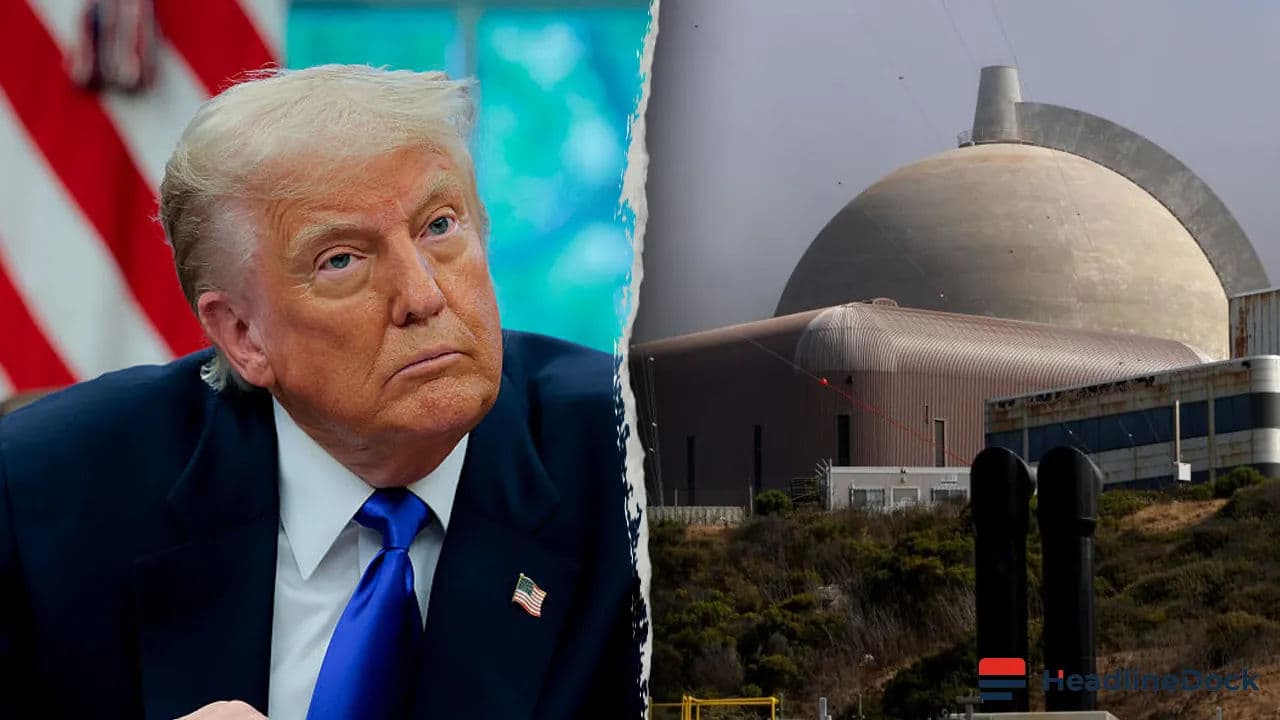
US and India Near Historic Trade Deal to Boost Economic Ties
The United States and India are finalizing a historic bilateral trade agreement aimed at opening markets and achieving USD 500 billion in trade by 2030. High-level talks are currently underway in New Delhi to solidify the pact's terms and boost mutual economic growth.

Highlights
- •The US and India are nearing a landmark trade deal to improve market access for American goods.
- •The nations are targeting a goal of USD 500 billion in total bilateral trade by 2030.
- •Energy partnerships and civil nuclear cooperation are becoming key pillars of the economic relationship.
- •Negotiators are working to finalize the first phase of the agreement before late July 2026.
The United States and India are nearing the final stages of a significant bilateral trade deal, aimed at bolstering economic ties between the two nations. A senior US official recently confirmed that both countries are very close to concluding an agreement that would provide expanded, reciprocal access to the massive Indian market for American goods.
Speaking at an event hosted by the Foundation for India and Indian Diaspora Studies (FIIDS), US Deputy Assistant Secretary of State Bethany Poulos Morrison emphasized the result-oriented nature of the current diplomatic relationship. She noted that discussions initiated by Prime Minister Narendra Modi and President Donald Trump are gaining momentum, focusing on achieving tangible economic outcomes rather than merely holding meetings.
Advancing Economic Cooperation and Trade Targets
The proposed framework for this trade deal is designed to support the ambitious Mission 500, a strategic goal intended to elevate the total bilateral trade volume to USD 500 billion by 2030. This objective underscores a sense of urgency as representatives, including US Trade Representative (USTR) Jamieson Greer and Commerce and Industry Minister Piyush Goyal, engage in high-level talks in New Delhi to finalize the details.
This ongoing negotiation follows the significant economic commitments made during the recent SelectUSA Investment Summit, where Indian firms pledged USD 20 billion in new investments. Furthermore, the energy partnership between the two nations is expanding rapidly. The hydrocarbon trade, which includes exchanges of oil, gas, and coal, has already reached USD 14.4 billion. Both nations are also exploring opportunities to enhance civil nuclear cooperation under the recently enacted Shanti Act.
Navigating Changing Tariff Policies
The path toward a finalized agreement has required careful navigation due to shifting tariff landscapes. After a previous framework was impacted by US court rulings and a temporary 10 per cent tariff, both sides have been working to recalibrate the pact. The central goal for New Delhi is to secure preferential tariff treatment, ensuring competitiveness against other global exporters.
Both governments are aiming to execute the first phase of this vibrant Bilateral Trade Agreement (BTA) by next month. The agreement is expected to cover a wide array of sectors, including industrial goods, agricultural products, and technological equipment. As these high-level discussions conclude, the resulting framework is anticipated to provide a robust foundation for long-term economic prosperity, fostering greater collaboration and investment across both the United States and India.