Andhra Pradesh Reserves 33% of Quarry Leases for Vaddera Cooperative Societies
The Andhra Pradesh government has officially reserved 33% of quarry leases for registered Vaddera Cooperative Societies. This policy, stemming from the Yuva Galam padayatra, includes a 50% concession on fees to support traditional livelihoods and ensure sustainable economic growth for the community.
Highlights
- •Andhra Pradesh reserves 33% of quarry leases for Vaddera Cooperative Societies.
- •The policy follows an amendment to the AP Minor Mineral Concession Rules, 1966.
- •Leaseholders receive a 50% concession on seigniorage fees and premium amounts.
- •Allotment is managed through eight annual evaluation slots to ensure transparency.
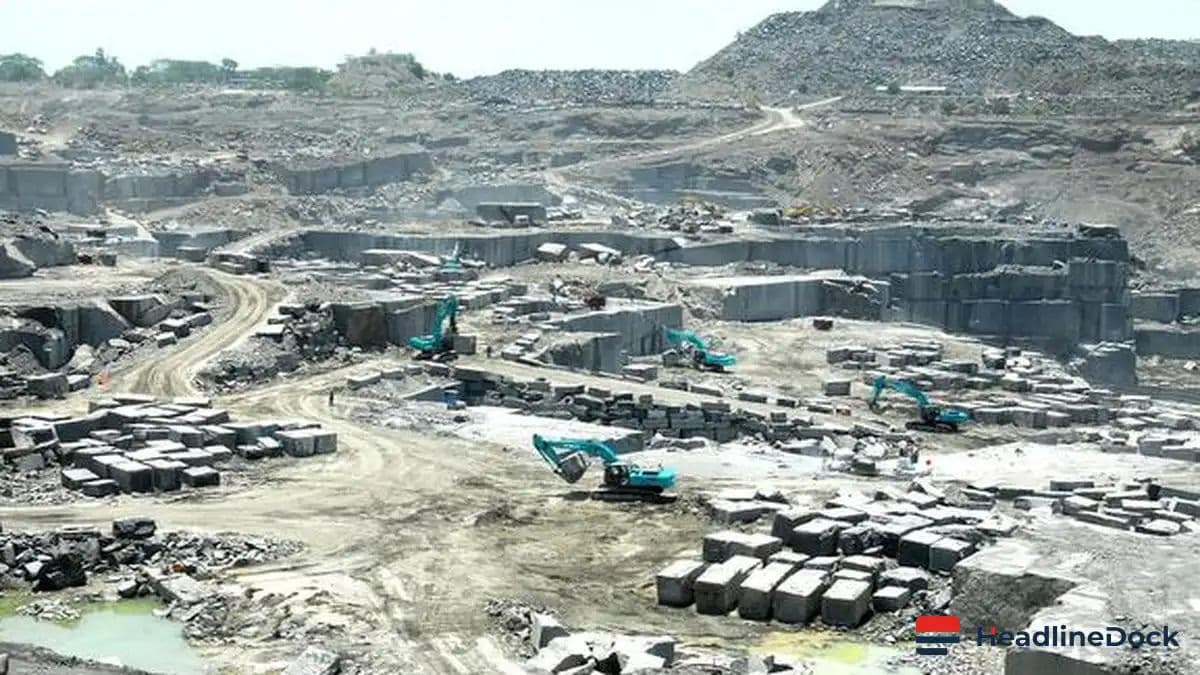
The state government of Andhra Pradesh has officially announced a new initiative to support traditional livelihoods by reserving 33 percent of all quarry leases for registered Vaddera Cooperative Societies. This decision fulfills a significant pledge made during the recent Yuva Galam padayatra, aimed at addressing the economic challenges faced by the community.
Education Minister Nara Lokesh stated that this move ensures the Vaddera community, which has long relied on traditional stone and earth-related occupations, gains better access to state resources. By implementing GO-Ms-126, the administration is formalizing a preferential allotment framework for minerals such as building stone, road metal, ballast, rough stone, boulders, slate, morrum, gravel, and ordinary earth.
Policy Details and Economic Support for Vadderas
The new framework outlines that up to 33 percent of the total allowable quarrying area within any given district is now earmarked specifically for these cooperative societies. To ensure equitable distribution, each individual society is eligible for a preferential allocation of up to 12 hectares. This policy update involves formal amendments to the Andhra Pradesh Minor Mineral Concession Rules, 1966, marking a significant shift in how quarrying rights are distributed.
Beyond land allocation, the government has introduced a 50 percent concession on both seigniorage fees and premium payments associated with these leases. These measures are designed to reduce the financial burden on traditional quarry workers, fostering greater inclusion and stability for Vaddera families across the region. Officials emphasized that this policy is a core component of the administration's broader commitment to social justice and economic empowerment for marginalized professional groups.
To maintain absolute transparency throughout the process, the government has established a structured allotment system. Applications will be evaluated across eight designated slots throughout the calendar year, with the review process occurring in batches. In cases where multiple societies compete for the same area, priority will be granted based on a combination of location—starting at the village and mandal levels—and the chronological order of application submission. This systematic approach aims to ensure that the benefits of the Vaddera lease reservation policy are distributed fairly and efficiently.
By streamlining access to these resources, the government aims to create sustainable employment pathways and safeguard traditional occupations that are vital to the local construction and infrastructure sectors in Andhra Pradesh.