U.S. Military Reinstates Flu Vaccine Mandate After Significant Lackland Base Outbreak
The U.S. military has reinstated mandatory flu vaccinations for new recruits following a significant outbreak at Lackland Air Force Base. The decision follows a two-month period where the vaccine was optional, highlighting ongoing debates between medical freedom and military operational readiness.
Highlights
- •A flu outbreak at Lackland Air Force Base has sickened over 220 military recruits.
- •The U.S. military has reinstated a mandatory flu vaccine policy after a brief two-month pause.
- •Defense Secretary Pete Hegseth had previously made the vaccine optional, citing medical freedom.
- •Military commanders historically mandated vaccines to ensure troop readiness and prevent operational disruption.
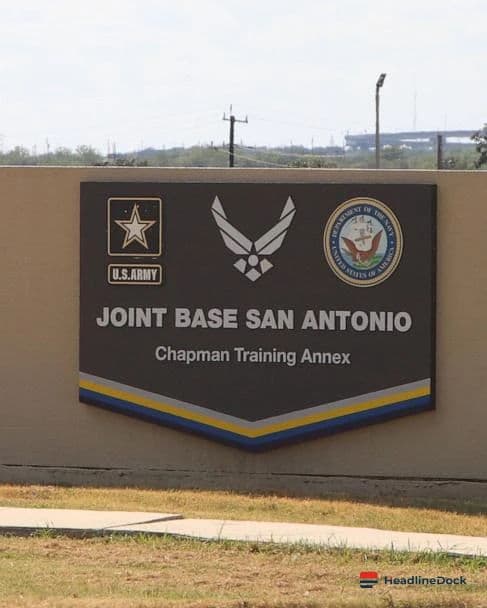
A recent flu outbreak at Lackland Air Force Base in San Antonio, Texas, has prompted the U.S. military to reinstate mandatory influenza vaccinations for new recruits. This decision follows a period of two months during which the requirement was rescinded by Defense Secretary Pete Hegseth, citing principles of medical freedom. As of June 23, 2026, health reports indicate that at least 222 recruits have contracted the virus, with four individuals requiring hospitalization.
The flu vaccine mandate had been a fixture of military health policy since 1945, reflecting a long-standing tradition of prioritizing medical readiness. Historically, military leadership viewed infectious diseases as significant threats to operational capabilities, often noting that illnesses could deplete personnel more effectively than enemy combat. This strategic approach to public health dates back to the American Revolutionary War, when General George Washington enforced mass smallpox inoculations to protect the Continental Army.
Shifting Politics and Public Health Readiness
The policy landscape surrounding vaccine mandates shifted significantly in the wake of the COVID-19 pandemic. While the military historically maintained high compliance rates for various immunizations—including those for typhoid, tetanus, and yellow fever—the pandemic introduced intense political debate over personal choice. In 2023, legislative action required the Pentagon to end its COVID-19 vaccine requirement, setting a precedent that influenced the subsequent temporary removal of the influenza mandate in April 2026.
Secretary Hegseth justified the decision to make the flu shot optional by emphasizing individual autonomy, arguing that vaccination requirements should not be viewed as non-negotiable. However, public health experts point to the current situation at Lackland Air Force Base as a clear demonstration of the risks involved. Military environments, characterized by close quarters in barracks and training facilities, are highly susceptible to the rapid spread of respiratory viruses.
Epidemiological data supports the long-standing military rationale for vaccination. The Centers for Disease Control and Prevention reported that influenza vaccines prevented approximately 180,000 hospitalizations and 12,000 deaths across the United States during the 2024-2025 season alone. By allowing vaccination rates to drop significantly among new recruits, the base inadvertently created the conditions necessary for a widespread outbreak. This resurgence underscores the tension between evolving political narratives regarding medical freedom and the persistent, practical requirements of maintaining military readiness against seasonal viral threats.