TMC Crisis Deepens: Mallick Resigns Party Posts and Siliguri Mayor Steps Down
The TMC crisis deepens as veteran leader Jyoti Priya Mallick resigns from party roles and Siliguri Mayor Goutam Deb steps down. These departures occur amid significant internal rebellion, including a breakaway group of MLAs and MPs seeking an alliance with the NCPI.

Highlights
- •Jyoti Priya Mallick resigned from all TMC party roles citing severe health issues.
- •Goutam Deb has stepped down as the mayor of the Siliguri Municipal Corporation.
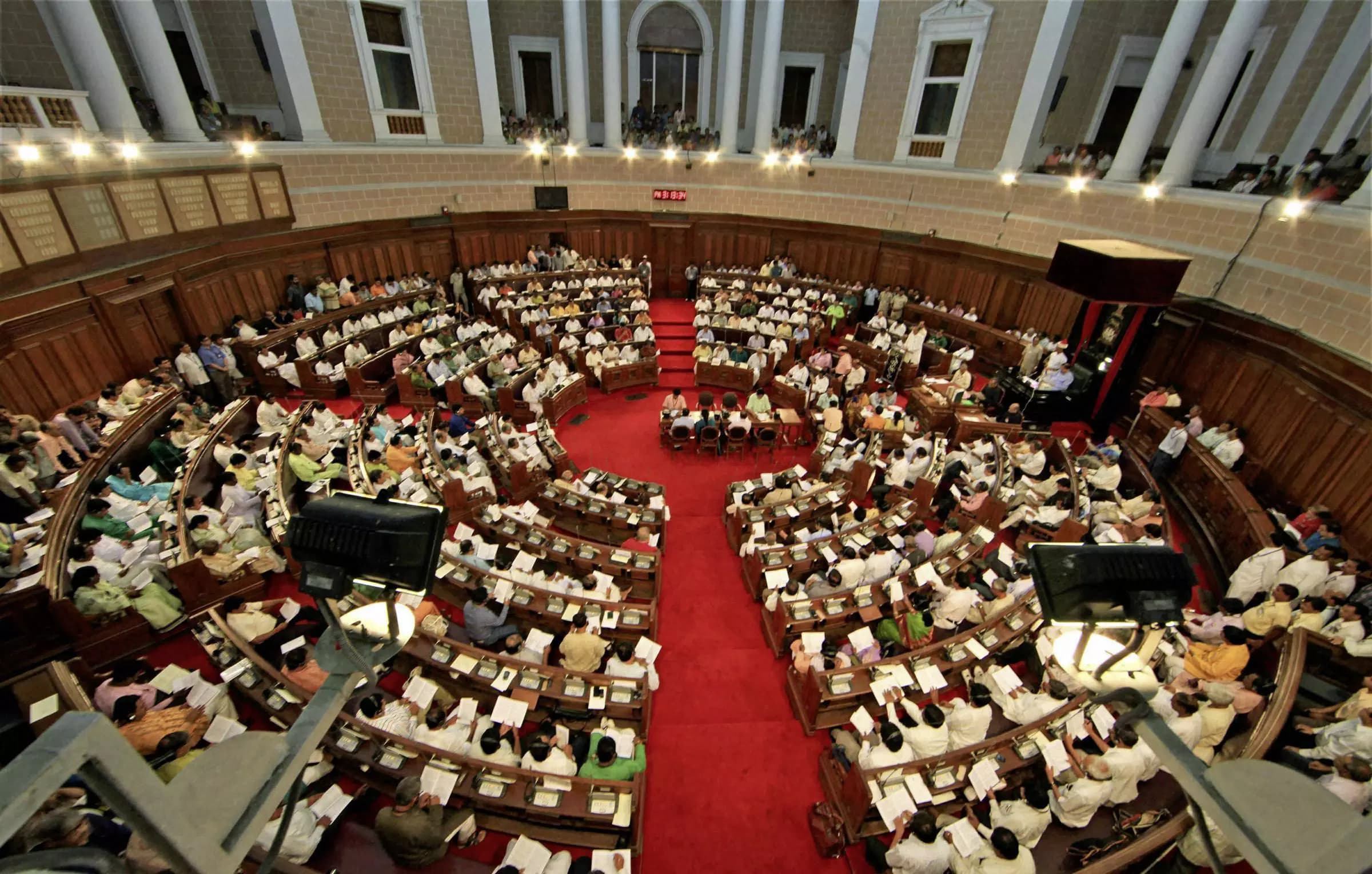
- •A faction of 58 dissident TMC MLAs has formed a new opposition group in the state assembly.
- •Internal rebellion has led to 20 TMC MPs seeking a merger with the NCPI.
The internal TMC crisis has reached a critical juncture, marked by the recent resignations of high-ranking party officials. Former West Bengal minister Jyoti Priya Mallick has stepped down from all organizational responsibilities, while Goutam Deb has officially resigned as the mayor of the Siliguri Municipal Corporation. These departures highlight the growing instability within the Trinamool Congress following a series of electoral setbacks.
Impact of Leadership Departures on TMC Crisis
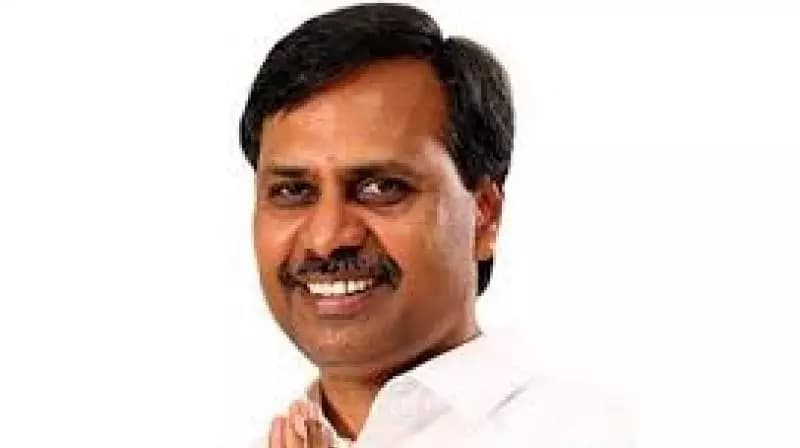
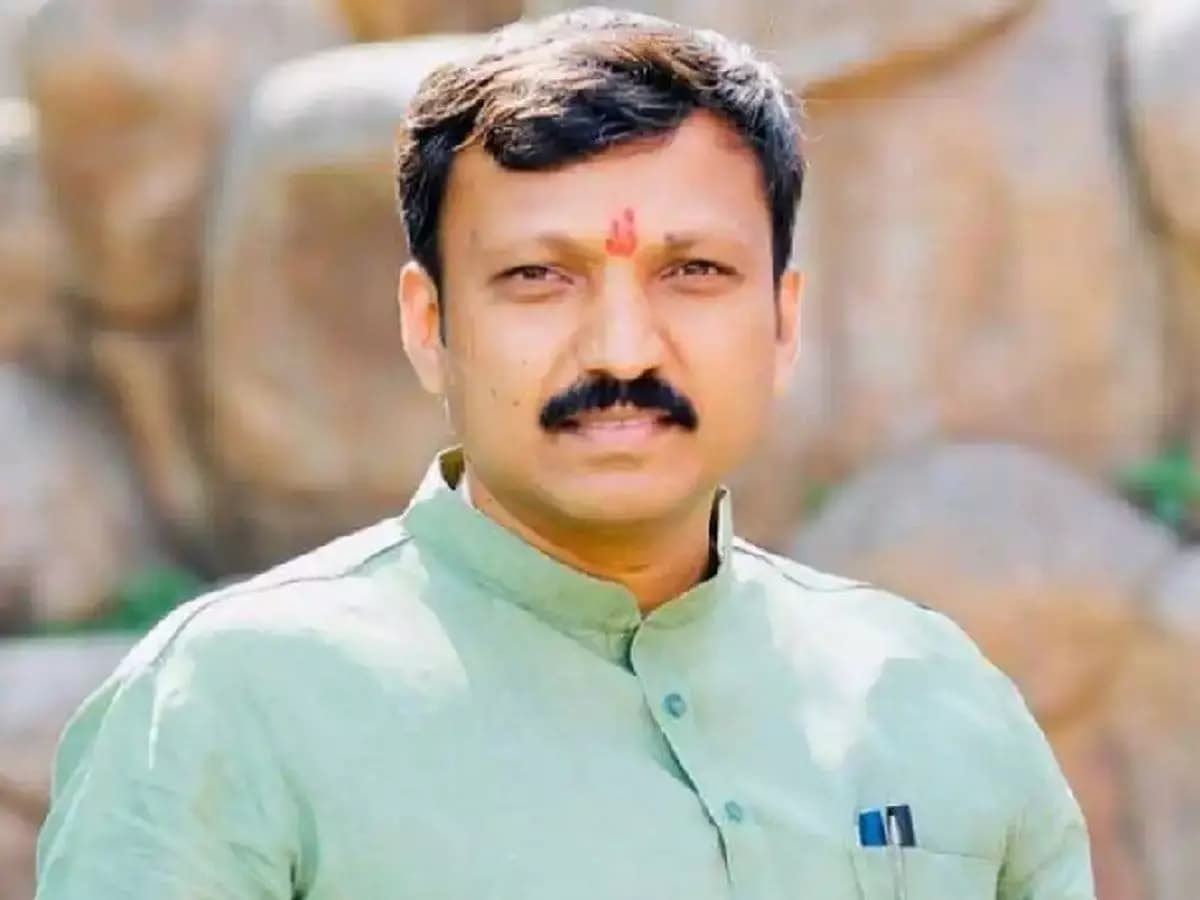
Jyoti Priya Mallick, a veteran leader and associate of Mamata Banerjee, cited severe health complications as the primary reason for his resignation. He noted that worsening conditions, including high blood sugar and kidney ailments, rendered him unable to fulfill his duties in the party working committee. His decision comes shortly after his induction into the reconstituted committee, following his release on bail earlier in 2025 regarding the ration distribution scam.
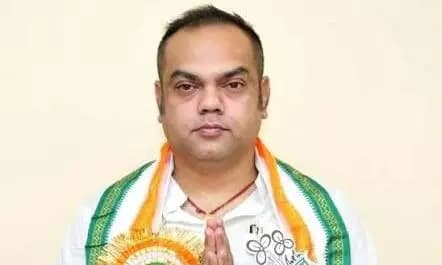
Simultaneously, the resignation of Goutam Deb as the Siliguri mayor adds to the administrative turmoil. By surrendering his official vehicle and security detail, Deb has signaled a definitive break from his mayoral role. This follows similar exits by other local leaders, including the former mayors of Kolkata and Bidhannagar, further weakening the party's grip on urban administrative bodies across the state.
The broader TMC crisis reflects deep-seated fissures within the party. A faction of 58 dissident MLAs, headed by Ritabrata Banerjee, has formally split from the leadership and gained recognition as the primary legislative opposition group. Furthermore, in the national arena, 20 rebel TMC MPs have moved to seek a merger with the Nationalist Citizens Party of India (NCPI). These maneuvers have ignited complex legal disputes concerning anti-defection laws and the control of legislative wings.
The BJP has characterized these developments as indicative of the party's crumbling structure. BJP spokesperson Debjit Sarkar emphasized that such resignations do not absolve individuals of past allegations, noting that legal processes will continue. As the TMC navigates this unprecedented internal turmoil, the long-term impact on its political standing in West Bengal remains a significant point of concern for analysts and observers alike.