The Untold History of Targaryen Dragons and Westerosi Legends
An exploration of the dragon lineage in the Game of Thrones and House of the Dragon universe, clarifying the history of Balerion and Viserys I, while drawing comparisons to the enduring success of the historical drama Vikings.
Read it in Short
QUICK OVERVIEW
Balerion the Black Dread was the largest dragon in Westerosi history and the only one to survive the Doom of Valyria.
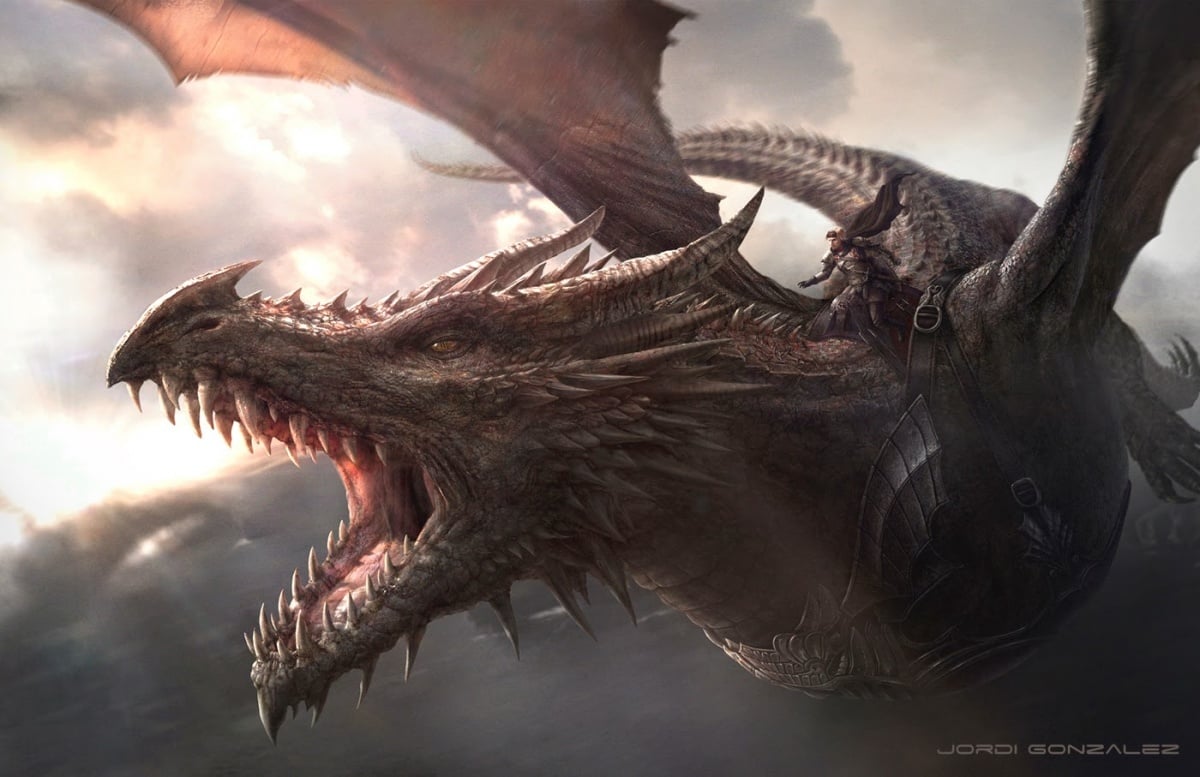
King Viserys I Targaryen did not intentionally renounce his dragon; Balerion died of old age shortly after being claimed.

The Dance of the Dragons featured a wide array of significant dragons, including Vhagar, Vermithor, and the wild dragon Cannibal.

Historical epics like Vikings prove that intense, character-driven storytelling can achieve massive success without relying on mythical elements.
The vast fantasy world created by George R.R. Martin, popularized by House of the Dragon and Game of Thrones, is defined by its iconic fire-breathing creatures. As the third season of House of the Dragon unfolds, fans are diving deeper into the history and lineage of these legendary beasts. Understanding the dragons of Westeros, such as Balerion the Black Dread, is essential to grasping the complex power struggles and the eventual downfall of the Targaryen dynasty.
Understanding the History of Targaryen Dragons
At the center of this lore is Balerion, the most imposing dragon in Westerosi history. Unlike popular misconceptions, King Viserys I Targaryen did not intentionally renounce his dragon. Records confirm that he claimed the aging Balerion—who survived the Doom of Valyria—but the creature was simply too old to continue serving as a mount. Following a single flight attempt, the beast passed away, leaving the king without another dragon for the remainder of his life.
Beyond the primary royal mounts, the lore is populated by numerous significant dragons, including Vhagar, Meraxes, and Vermithor. These creatures were pivotal during the Conquest and the subsequent civil war known as the Dance of the Dragons. From wild dragons like Cannibal to the trio famously raised by Daenerys Targaryen, each creature serves as a silent witness to the rise and fall of great houses.
Why Fantasy Epics Continue to Captivate
While dragon-centric sagas dominate the screen, other historical epics prove that engaging storytelling doesn't always require mythical beasts. For example, Vikings, the legendary series inspired by Ragnar Lothbrok, remains a gold standard for historical drama. Spanning six acclaimed seasons, the series explores themes of power, exploration, and legacy through a grounded, human lens. Much like the political maneuvering in the Targaryen court, the brutal battles and shifting alliances in Vikings have cemented its status as one of the best action series in television history.
Frequently Asked Questions
Did Viserys I intentionally abandon his dragon?
No, historical records clarify that Viserys I did not give up his dragon. He claimed the ancient dragon Balerion, but the creature was near death due to extreme age and passed away shortly after the king’s final attempt to fly it.
Which dragons are considered the most powerful in Westeros?
Balerion the Black Dread remains the most powerful dragon in history, followed closely by Vhagar, who played a decisive role in the Dance of the Dragons. Other formidable dragons include Vermithor and Meraxes.
Source Statement
This briefing is distilled from the original source to provide you with clear, structured insights for immediate value.
Read the full source story: The Complete Guide to Dragons in the Game of Thrones Universe, The Truth About Viserys I and Balerion, Why Vikings is a Masterclass in Historical Action