Supreme Court: Homebuyers Can Seek Compensation for Delayed Possession Delivery
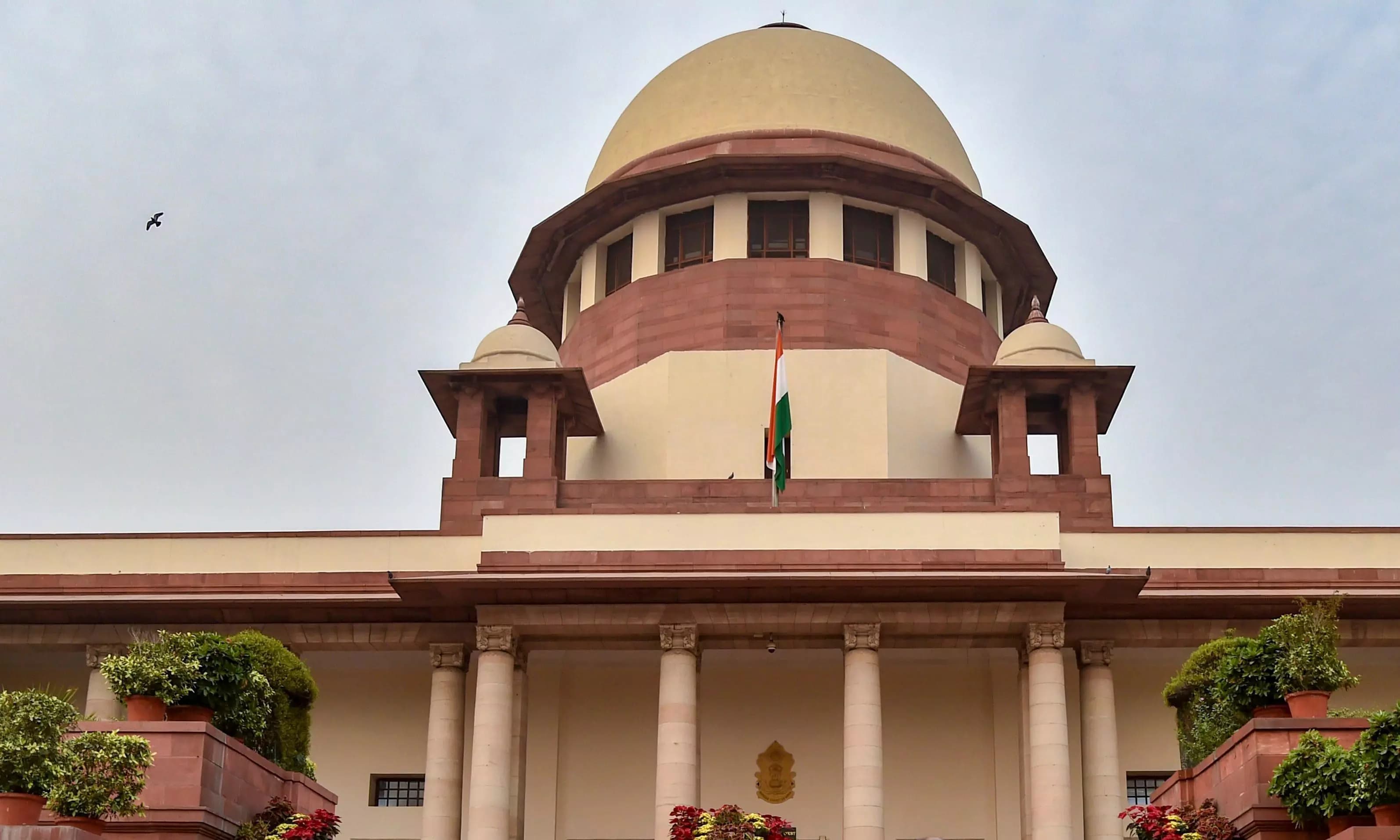
The Supreme Court ruled that homebuyers can claim compensation for delayed delivery even after accepting possession. The court set aside an NCDRC order that restricted such claims, reaffirming that the Consumer Protection Act provides valid remedies for service deficiencies regardless of possession.
Highlights
- •Supreme Court rules homebuyers can seek compensation for delayed property delivery post-possession.
- •NCDRC's previous ruling denying consumer status after accepting possession has been set aside.
- •The court affirmed that arbitration clauses do not exclude the jurisdiction of consumer forums.
- •The case has been remanded to the District Consumer Disputes Redressal Commission for a merits-based decision.
The Supreme Court has issued a significant clarification regarding property rights, stating that a homebuyer can seek compensation for a delayed delivery of a flat even after taking possession of the property. This landmark ruling highlights that the acceptance of possession does not automatically waive an individual’s right to claim redress for service deficiencies, specifically regarding the timing of the delivery.
The apex court made this decision while setting aside a 2016 order from the National Consumer Disputes Redressal Commission (NCDRC). The NCDRC had previously dismissed a complaint by arguing that the appellant was no longer a consumer because they had accepted the flat without formally lodging a protest at the time of delivery. However, the bench comprising Justices Vikram Nath and V Mohana disagreed, noting that the claim for compensation stems from the period preceding the actual handover of the keys.
Rights of Homebuyers in Property Disputes
The court emphasized that the mere act of receiving possession does not extinguish the legal right of an allottee to seek adjudication for losses caused by delays. According to the ruling dated June 4, the Consumer Protection Act, 1986 is intended to provide simple and efficient remedies for those complaining of service deficiencies. The judges noted that the Consumer Protection Act is a piece of beneficial legislation, and its provisions remain applicable even if other dispute resolution mechanisms, such as arbitration clauses, exist in the agreements between parties.
The appellant, who joined a cooperative group housing society in Delhi in 2003, had faced extensive delays in receiving their allotted unit. The Supreme Court observed that the NCDRC had failed to address the core jurisdictional issues and instead focused on the technicality of the consumer status at the time of filing. By ignoring the merits of the delay, the commission had reached an unsustainable conclusion. Consequently, the court found that whether a delay occurred and whether that delay was attributable to the society are matters requiring a detailed examination on merits, which never took place.
To rectify this, the court has restored the original consumer complaint and directed it to be heard by the District Consumer Disputes Redressal Commission in Dwarka. The district commission is expected to provide both parties with a fair opportunity to present their evidence and arguments. Given that the legal dispute dates back to 2005, the court has urged the District Consumer Disputes Redressal Commission to prioritize the case and attempt to resolve it within one year. This decision marks a vital step in protecting the interests of homebuyers against potential service failures by developers and housing societies.