Supreme Court Ends Temporary Protected Status for Haitian and Syrian Immigrants
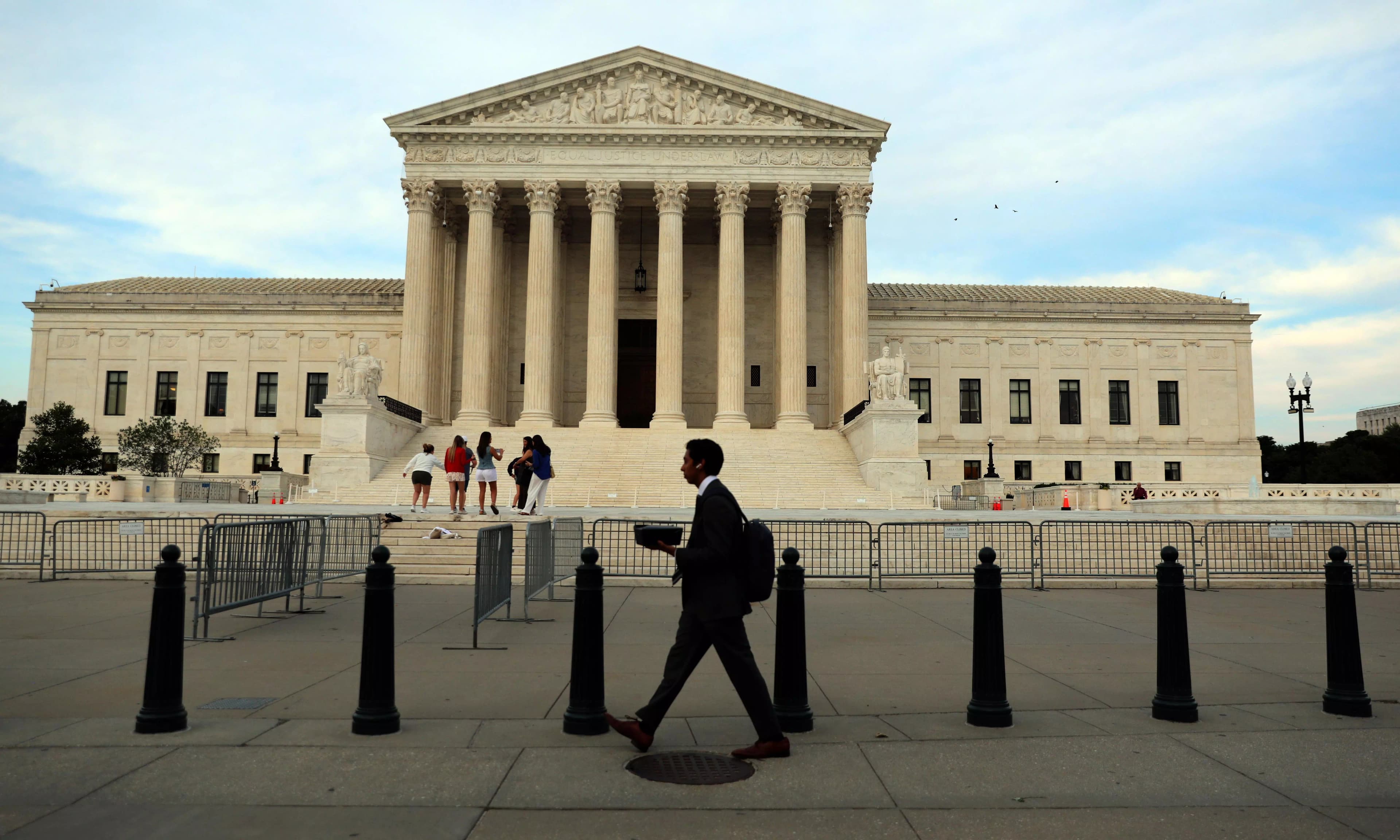
The US Supreme Court has authorized the termination of Temporary Protected Status (TPS) for Haitian and Syrian immigrants. The 6-3 ruling confirms that the Department of Homeland Security has the authority to end these protections, potentially affecting over 350,000 individuals and setting a precedent for other nations.
Highlights
- •The Supreme Court ruled 6-3 that the Department of Homeland Security has the authority to terminate TPS designations.
- •Approximately 350,000 Haitians and 6,000 Syrians are directly affected by the loss of legal protections.
- •The decision may establish a precedent impacting 1.3 million people from 17 countries currently holding protected status.
- •Impacted individuals may lose employment authorization within 32 days of the ruling, forcing potential departures or deportation proceedings.
The United States Supreme Court has delivered a significant ruling that allows the administration of President Donald Trump to terminate Temporary Protected Status (TPS) for thousands of immigrants from Haiti and Syria. This judicial decision has far-reaching implications, as it may signal a broader shift in policy for nearly 1.3 million individuals from 17 different nations currently holding similar protections. Many of these residents have lived and worked within the United States for decades, frequently raising American-born children, and now face the uncertainty of potential detention and deportation.
Impact of Supreme Court TPS Ruling
The Temporary Protected Status program, which was established by Congress in 1990, was designed to prevent the deportation of individuals to nations experiencing civil unrest or catastrophic natural disasters. While the ruling directly affects approximately 350,000 Haitians and 6,000 Syrians, it also creates a legal precedent that may impact broader immigration relief programs. The Supreme Court, through a 6-3 conservative majority, determined that the Department of Homeland Security (DHS) possesses the sole authority to end these protections, rather than judicial oversight. Legal experts, such as Ahilan Arulanantham from the University of California, Los Angeles, have noted that this decision effectively shuts down many ongoing legal challenges previously mounted against the administration’s efforts to rollback these humanitarian programs.
The administrative changes under the Trump government have already led to the termination of TPS for roughly 1 million people from 13 countries. This includes approximately 650,000 individuals from Venezuela and 50,000 from Honduras. Furthermore, critical decisions are anticipated soon regarding the status of nearly 200,000 Salvadorans and 100,000 Ukrainians. Other nations currently affected by these policy shifts include Afghanistan, Myanmar, Ethiopia, Nicaragua, and Yemen.
It is expected that the ruling will officially take effect approximately 32 days following the announcement. Legal advocates, including Emi MacLean from the American Civil Liberties Union, have indicated that the cases are being returned to lower courts for implementation, with no immediate enforcement expected before late July 2026. During this transition period, affected TPS holders may continue to maintain their employment. However, once the ruling is fully enacted, these individuals will likely lose their employment authorization, forcing them to navigate difficult choices. Many may be compelled to seek alternative legal avenues, such as asylum or employment-based visas, or prepare for the possibility of voluntary return to their countries of origin.