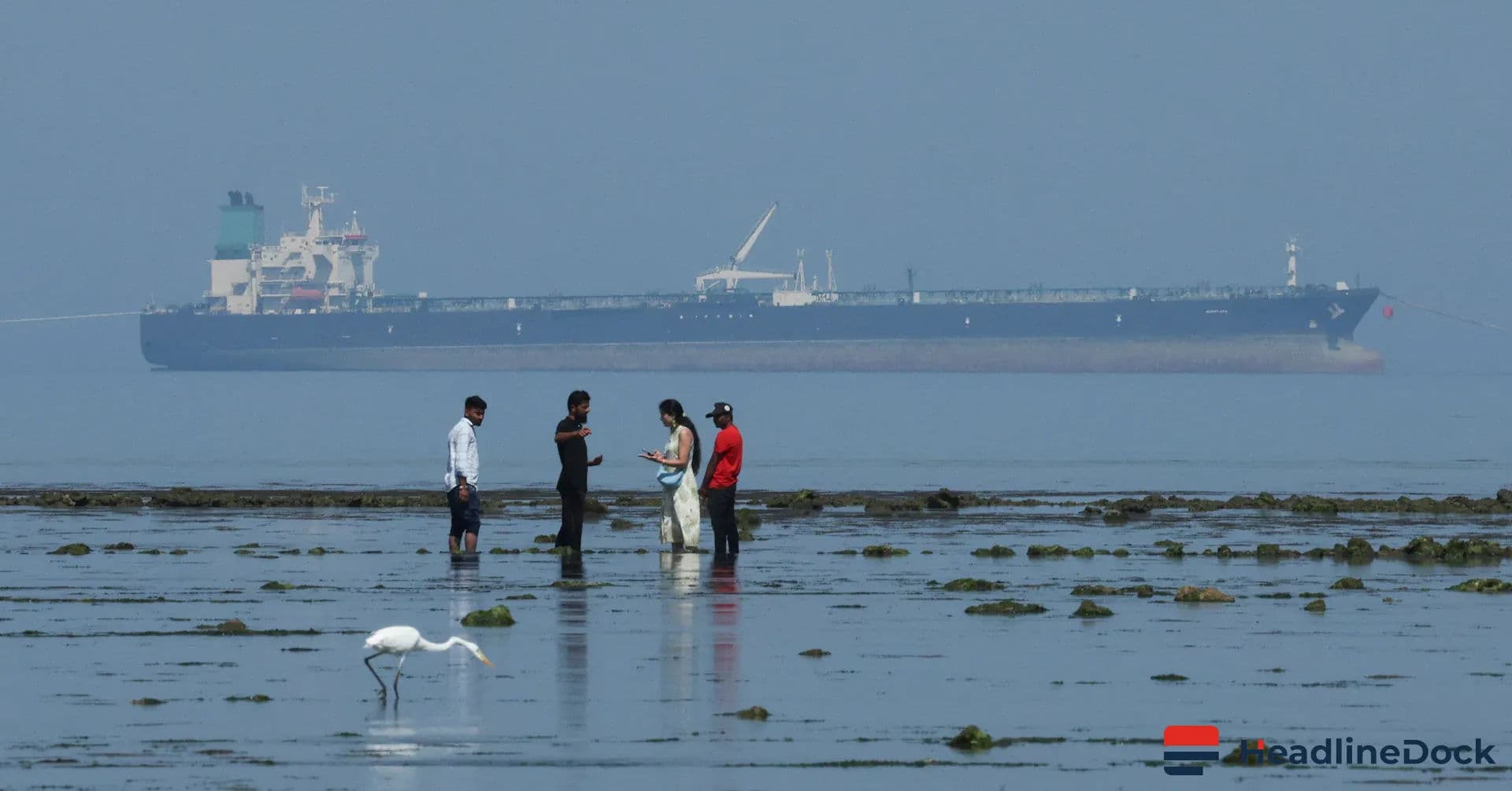
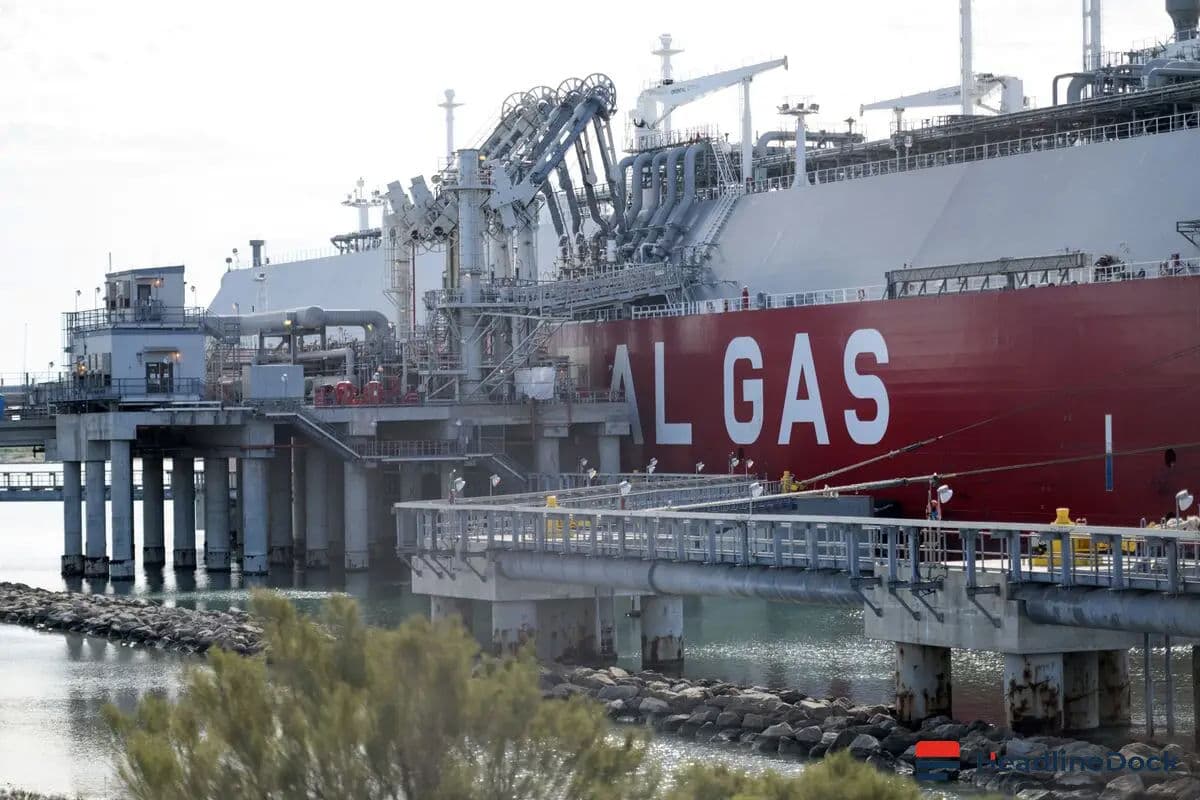
Strait of Hormuz Reopens But Europe’s Food Chain Remains At Risk
The reopening of the Strait of Hormuz offers temporary relief, yet European food supply chains remain fragile. Experts argue that resilience depends on network-wide collaboration, agility, and better crisis coordination rather than isolated firm-level efforts to manage ongoing geopolitical and climate-driven risks.
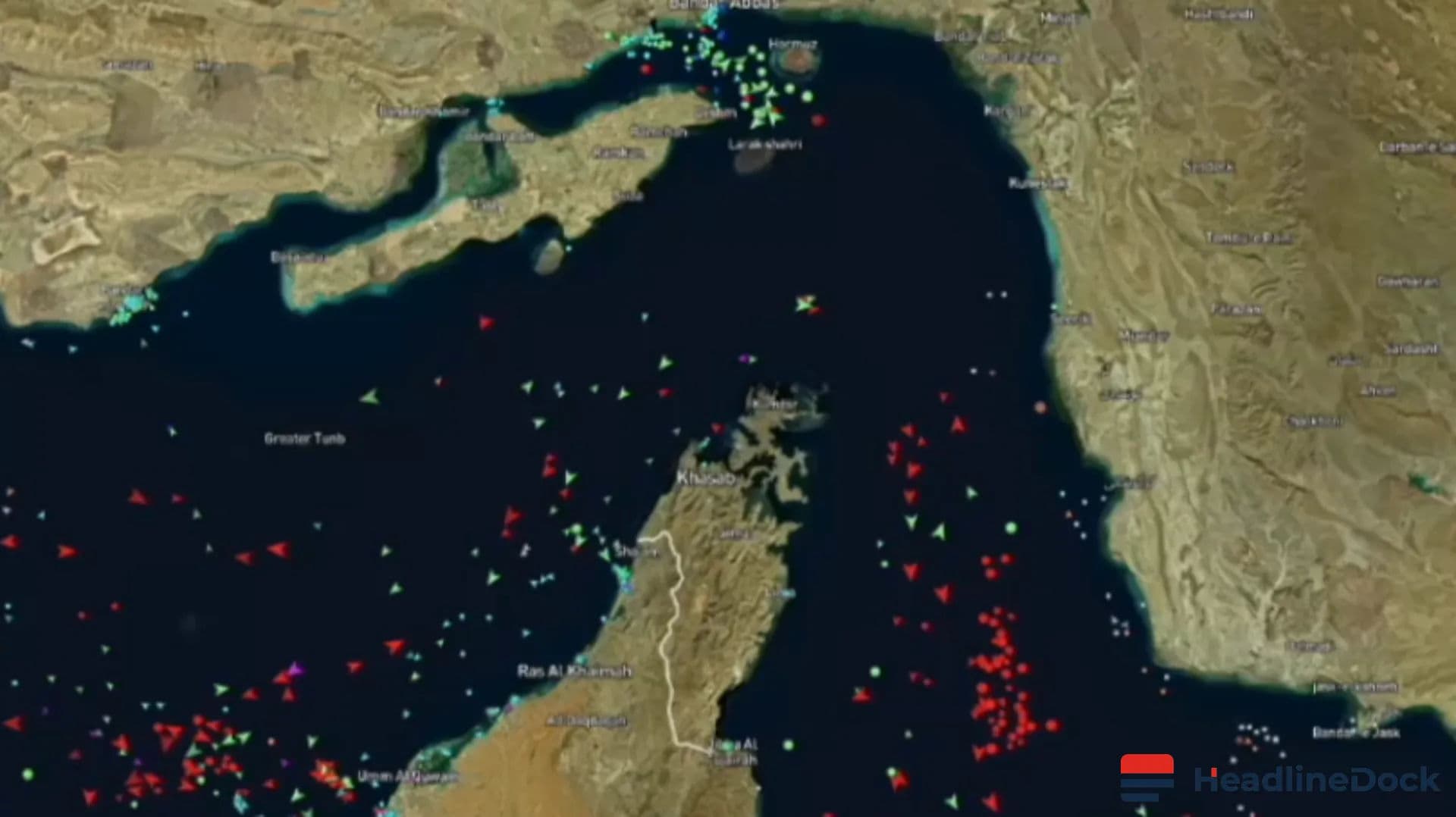
The Strait of Hormuz is finally reopening following an interim peace agreement between Iran and the United States. While this development provides a much-needed reprieve for global shipping, experts warn that Europe’s food chain suppliers cannot afford to be complacent. Although the maritime route is becoming operational again, it will likely take months before traffic flows fully normalize.
Europe’s food infrastructure is currently navigating an era of persistent vulnerability. Climate-related disruptions, ranging from extreme heat events to logistical bottlenecks, are already pushing agri-food systems to their absolute limits. The recent closure of this critical waterway served as a stark reminder of its role as a fragile chokepoint for essential agricultural inputs, including fertilizer, refrigerated transport capacities, and fuel supplies.
Building Resilience Beyond Individual Firms
Research indicates that true resilience within the agri-food sector is not created within the walls of a single company. Instead, it is found in the ability of the entire network to adapt, collaborate, and respond to shocks in unison. A large supermarket may be efficiently managed, but it remains heavily dependent on a wider network of growers, processors, and logistics providers. If these individual links fail to synchronize during a crisis, the entire supply chain risks higher prices and significant food shortages.
The Strait of Hormuz disruption highlighted how systemic risk moves through the network. When shipping is stalled, the impact quickly cascades from port delays to increased input costs for farmers, production hurdles for processors, and ultimately, pressure on retail shelf availability. Consequently, firms must prioritize collective adaptability and agility over internal operational buffers.
Strategic preparedness now requires a proactive approach. Managers should move beyond traditional crisis manuals and instead implement live rehearsals of their supply chains. This includes mapping dependencies on Hormuz-linked inputs, pre-arranging alternative logistics routes, and establishing clear protocols for how costs or shortages will be shared among partners. Furthermore, policymakers are urged to support these efforts by fostering flexible regulatory frameworks that allow for rapid adjustments, such as easing customs procedures for perishable goods during major shocks.
The goal is to shift from reactive firefighting to building transformative capabilities. By integrating smaller suppliers into crisis planning and encouraging deep collaboration, the industry can better protect itself against the next inevitable disruption. The reopening of this essential waterway should be treated as a valuable window of opportunity to strengthen the resilience of the entire European food network before future geopolitical or environmental challenges emerge.
,curated_key_highlights:[