Strait of Hormuz Crisis: Solar Energy Future vs Immediate Coal Reliance
The Strait of Hormuz blockage has forced a global re-evaluation of energy sources. While high oil prices are accelerating the European shift toward solar energy, Asian nations are increasingly relying on coal to maintain immediate energy security amidst the crisis.
Highlights
- •The Strait of Hormuz blockage has caused significant volatility in global oil prices, impacting international energy security.
- •Europe is seeing an accelerated shift toward solar power and electric vehicles to hedge against fossil fuel inflation.
- •Asian nations like South Korea and China are leaning on coal to ensure immediate grid reliability despite climate goals.
- •Transitioning away from coal faces a major financial hurdle, with an estimated 842 billion dollars in potential stranded assets.
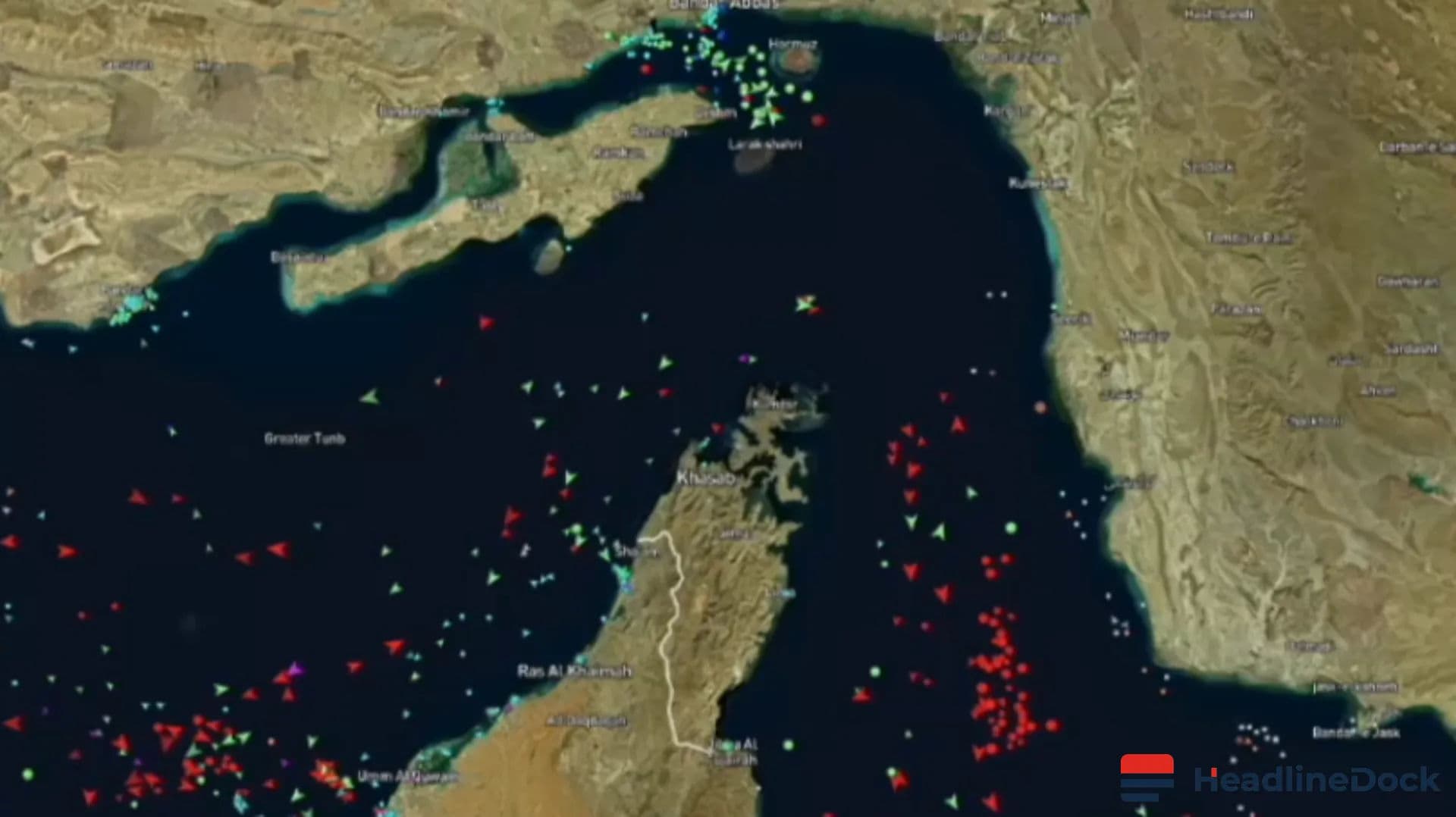
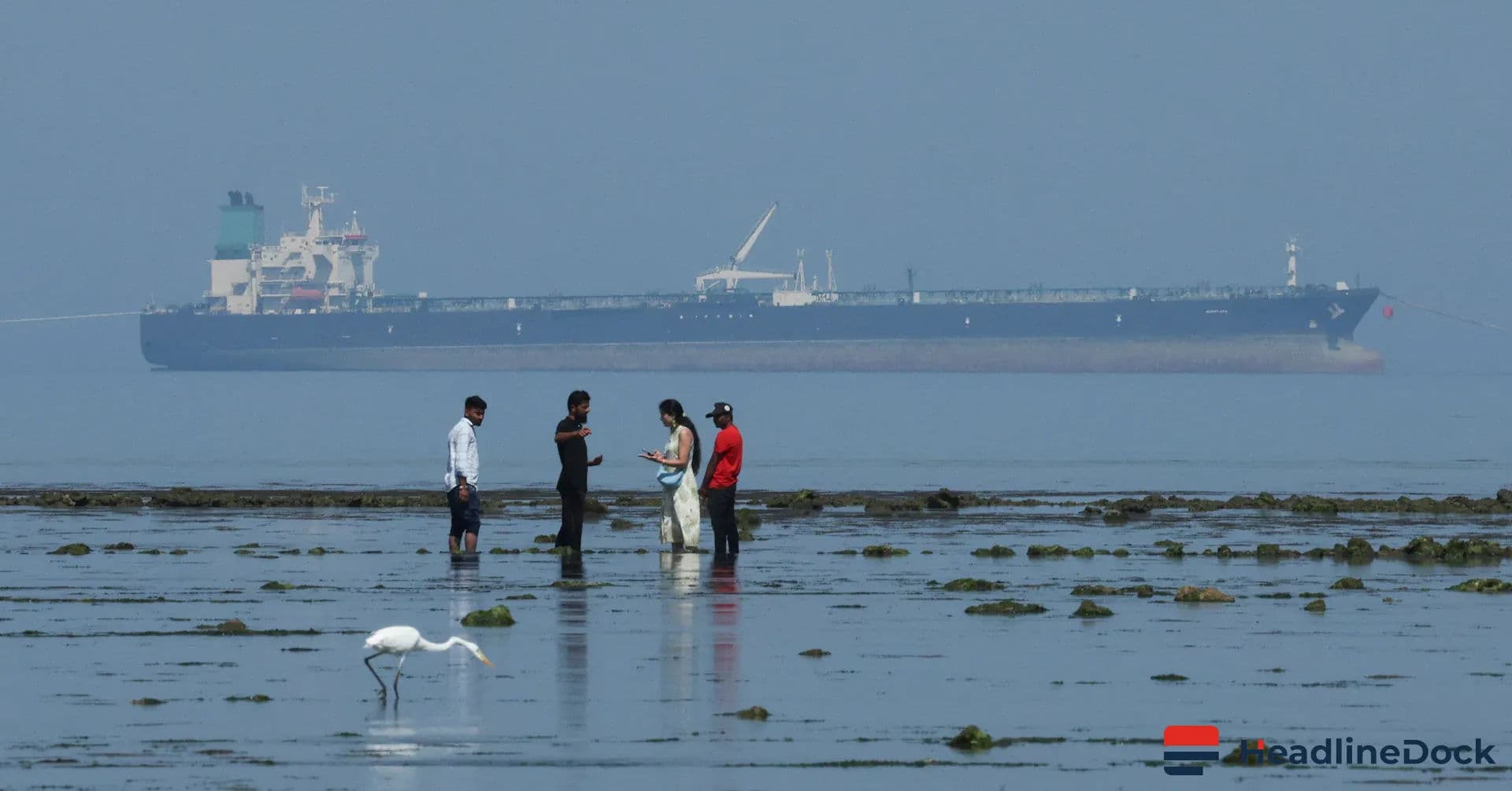
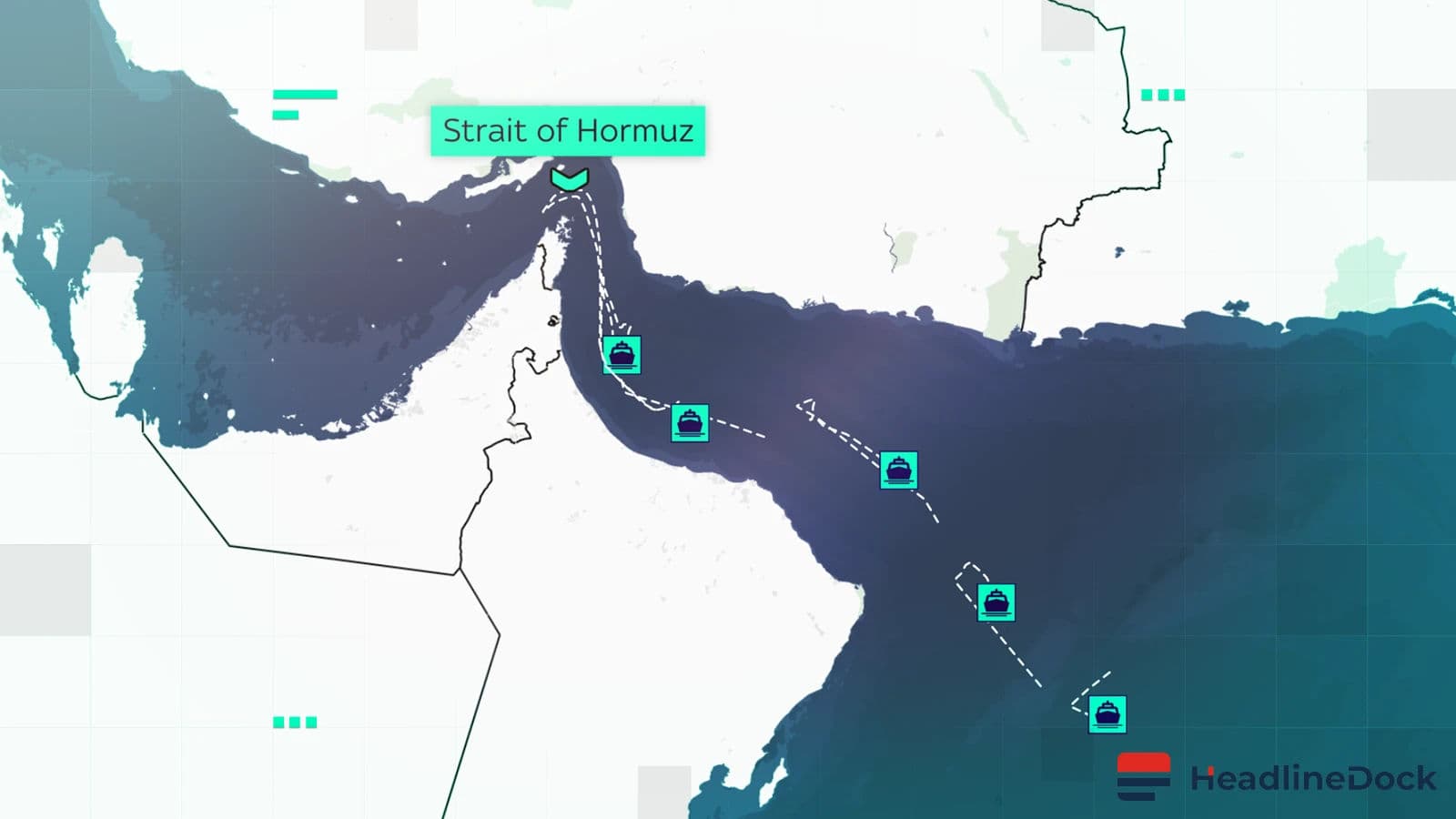
The ongoing Strait of Hormuz crisis, triggered by a significant blockage since February 28, has cast a spotlight on the future of global energy security. As geopolitical tensions involving Iran and United States-Israel forces persist, the global economy faces a critical juncture. The energy sector is now forced to choose between the long-term benefits of solar energy and the immediate, albeit carbon-intensive, utility of coal.
Impact of the Energy Crisis on Global Markets
Oil prices have seen volatility, with projections suggesting potential fluctuations between 80 and 120 US dollars per barrel depending on the duration of the conflict. While financial markets in Chicago currently express optimism for a de-escalation, the broader economic implications are significant. Higher fossil fuel costs act as a catalyst for inflationary pressures, affecting everything from transportation to everyday consumer goods, as noted by observers like Frank Elderson of the European Central Bank.
In Europe, the surge in fossil fuel prices has accelerated the shift toward cleaner alternatives. Sales of electric vehicles in Europe rose by 30% in the first quarter of 2026. Simultaneously, the cost of solar panels has plummeted by approximately 70% between 2022 and 2025. This economic shift has led to a dramatic spike in solar installations, as nations prioritize energy independence to insulate their economies from unpredictable global energy shocks.
The Coal Dilemma in Asia
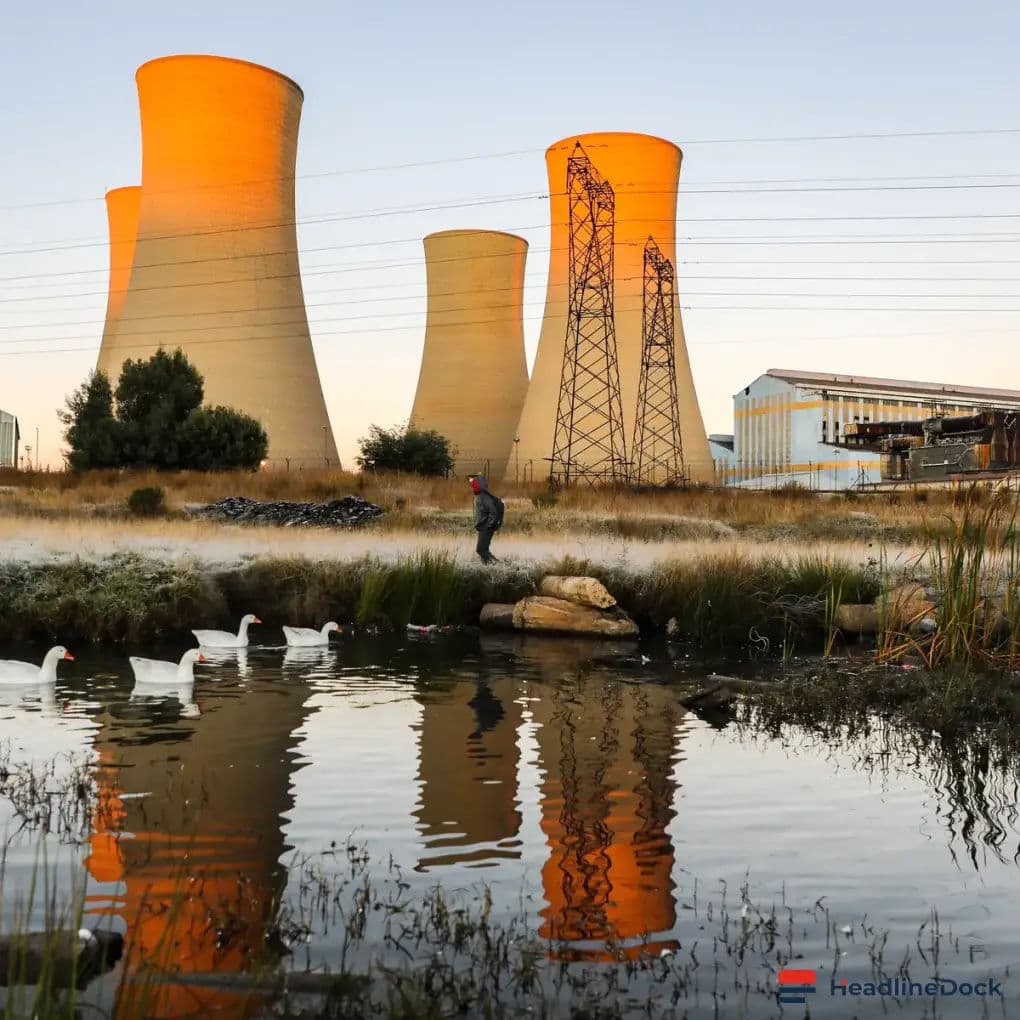
While Europe pivots toward renewables, Asia faces a more complex challenge. Countries such as South Korea have relaxed restrictions on coal power generation, highlighting the perceived necessity of coal as a reliable "bandage" during times of energy uncertainty. The rapid expansion of coal-fired infrastructure in nations like China has created a significant "fossil fuel trap."
Research led by experts such as Camille Macaire, Fabio Grieco, and Ulrich Volz estimates that aligning with 1.5 °C climate goals would result in 842 billion US dollars in "stranded assets." These financial losses represent a formidable hurdle for nations like China and Indonesia, which rely heavily on coal-dependent grids. Replacing these facilities with low-carbon alternatives requires massive capital and carries high debt costs, especially given the prohibitive interest rates currently faced by developing economies.
Ultimately, the transition toward a greener future is caught between the long-term economic promise of clean energy and the short-term exigencies of energy security. Whether the world moves decisively toward a sustainable, solar-powered future or remains tethered to coal depends largely on how quickly and effectively this geopolitical impasse is resolved.