Spain Deploys 54 Army Rescuers to Support Earthquake Relief in Venezuela
Following twin earthquakes in Venezuela that claimed 32 lives, Spain has readied a specialized unit of 54 army rescuers. Equipped with search dogs and advanced detection technology, the team stands prepared to assist in critical search and rescue efforts to help those affected by the disaster.

Highlights
- •Spain has mobilized 54 army rescuers for deployment to earthquake-hit Venezuela.
- •The twin earthquakes have resulted in at least 32 confirmed deaths and hundreds of injuries.
- •The Spanish emergency unit is equipped with search dogs, rescue cameras, and geophones.
- •The deployment aims to support local authorities in urgent search and rescue missions.
Following a devastating natural disaster, Spain has announced its readiness to provide immediate humanitarian assistance. The Spanish defence ministry confirmed on Thursday that a specialized contingent of 54 army rescuers is prepared to deploy to Venezuela to support search and rescue operations following a series of powerful twin earthquakes that have struck the nation.
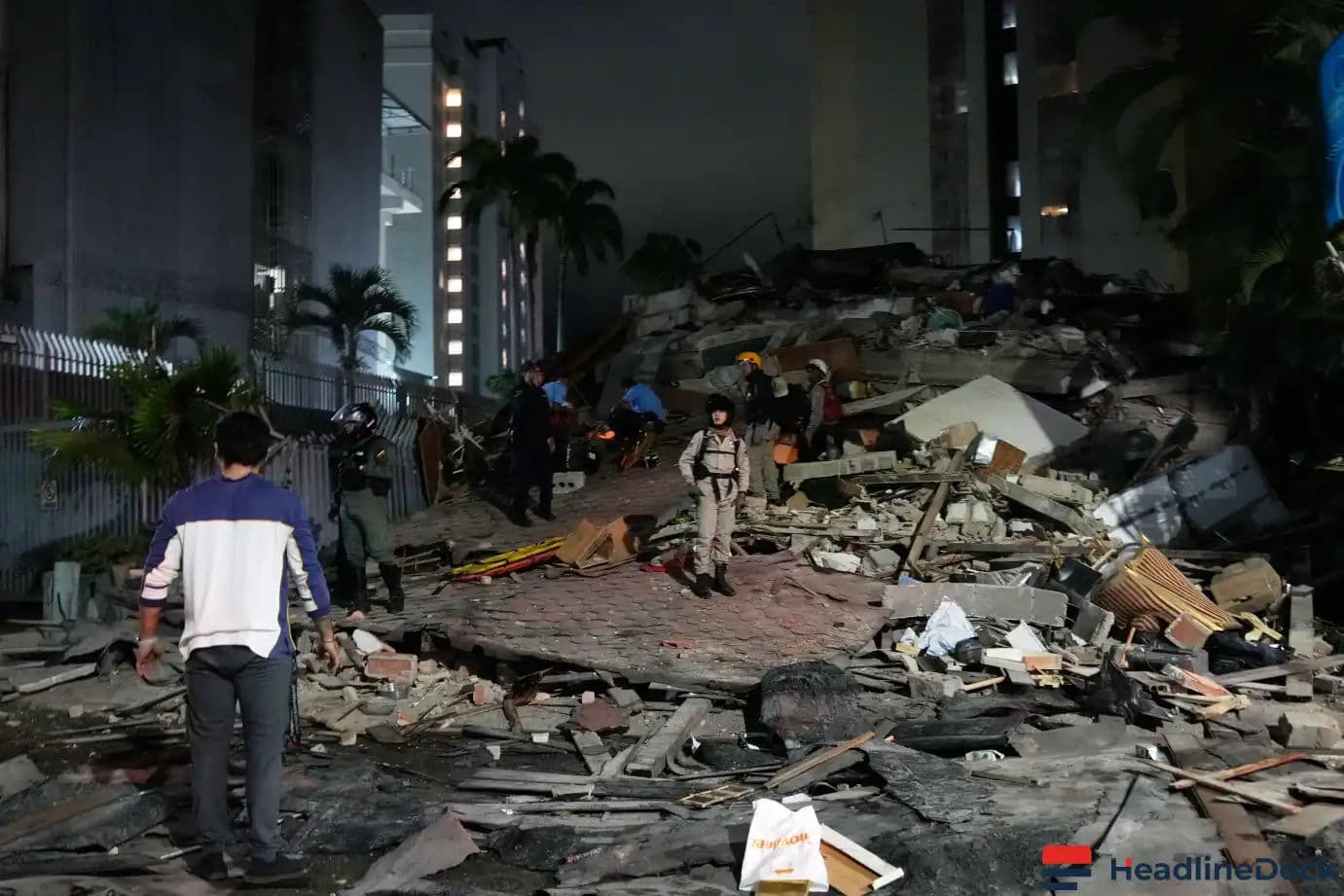
The situation in Venezuela remains critical, with local reports confirming that the seismic events have resulted in at least 32 fatalities and left hundreds of individuals suffering from injuries. As the scale of the destruction becomes clear, the international community has begun evaluating ways to provide necessary support to the affected regions.
Advanced Rescue Operations in Venezuela
The specialized team mobilized by Spain originates from the nation's army emergencies unit, a group specifically trained to handle high-stakes disaster scenarios. According to official communications from the Spanish defence ministry, this rescue unit is fully equipped with advanced technology and highly trained personnel to maximize the chances of locating survivors buried under debris.
The unit "combines the use of specially trained search dogs and specific devices like rescue cameras or geophones," the ministry detailed in a statement posted on the social media platform X. The inclusion of search dogs and high-sensitivity equipment such as geophones is critical in disaster zones, as these tools are essential for detecting faint signals or movements from individuals trapped deep beneath structural wreckage.
The deployment of such a highly specialized force highlights the collaborative efforts often seen during major humanitarian crises. While the initial reports from the ground in Venezuela indicate a significant human toll, the arrival of international emergency experts is intended to bolster local rescue capabilities, which are currently working around the clock to mitigate further loss of life.
Authorities continue to monitor the situation closely as the 54 army rescuers remain on standby, awaiting final coordination protocols to begin their mission. The integration of international disaster response teams often serves as a vital component in navigating the difficult conditions following large-scale geological events, ensuring that specialized expertise reaches those in the most desperate need of medical attention and extraction services.
This mission underscores Spain's commitment to global humanitarian relief efforts during times of intense regional stress. The combination of trained canine units and sophisticated acoustic detection gear represents one of the most effective methods currently available to international rescue organizations for conducting thorough search operations in heavily damaged urban environments.