Ukraine Escalates Strategic Drone Strikes Targeting Key Infrastructure in Crimea
Ukraine has launched targeted drone strikes on Crimea's critical infrastructure, including power plants and rail links. These operations, intended to isolate the Russian-held peninsula, have led to local energy outages, fuel supply issues, and heightened security measures by Russian authorities throughout the region.
Highlights
- •Ukraine has launched significant drone strikes targeting power plants, railway bridges, and fuel distribution centers in Crimea.
- •The military campaign aims to isolate the peninsula and disrupt Russian supply lines, impacting local energy and tourism sectors.
- •Russian authorities have implemented security measures, including suspending children's summer camps and restricting fuel exports.
- •Ukrainian officials report that 95% of the drones used in these operations are domestically manufactured.
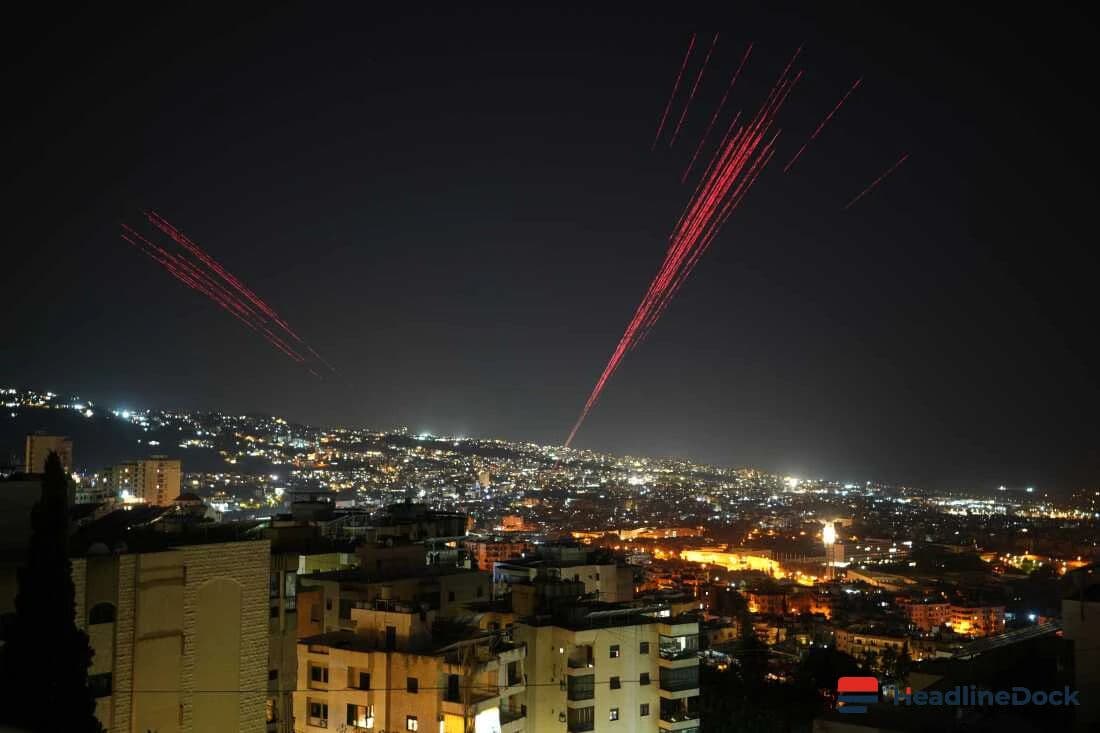
As the ongoing conflict reaches its fourth year, Ukraine has intensified its military campaign by launching strategic drone strikes against key infrastructure across the Russian-held peninsula of Crimea. These operations, aimed at disrupting vital supply lines and power grids, signify a shift in tactics as Kyiv seeks to isolate the region.
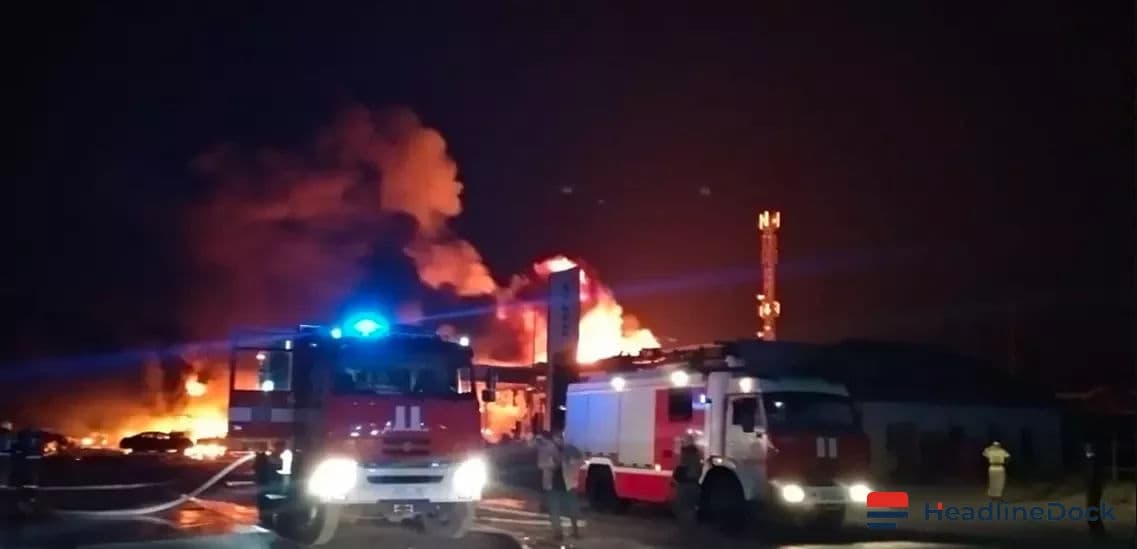
The recent aerial attacks have targeted critical facilities, including a railway bridge near the village of Rozdolne, a power plant, and various electrical substations. According to reports from the Ukrainian Defense Ministry, these strikes have impacted operations at the Kerch thermal power plant and an LNG distribution center in Simferopol. While independent verification remains difficult, local reports confirm power outages across portions of the peninsula, which authorities attributed to technical issues.
Strategic Impact of Ongoing Drone Strikes
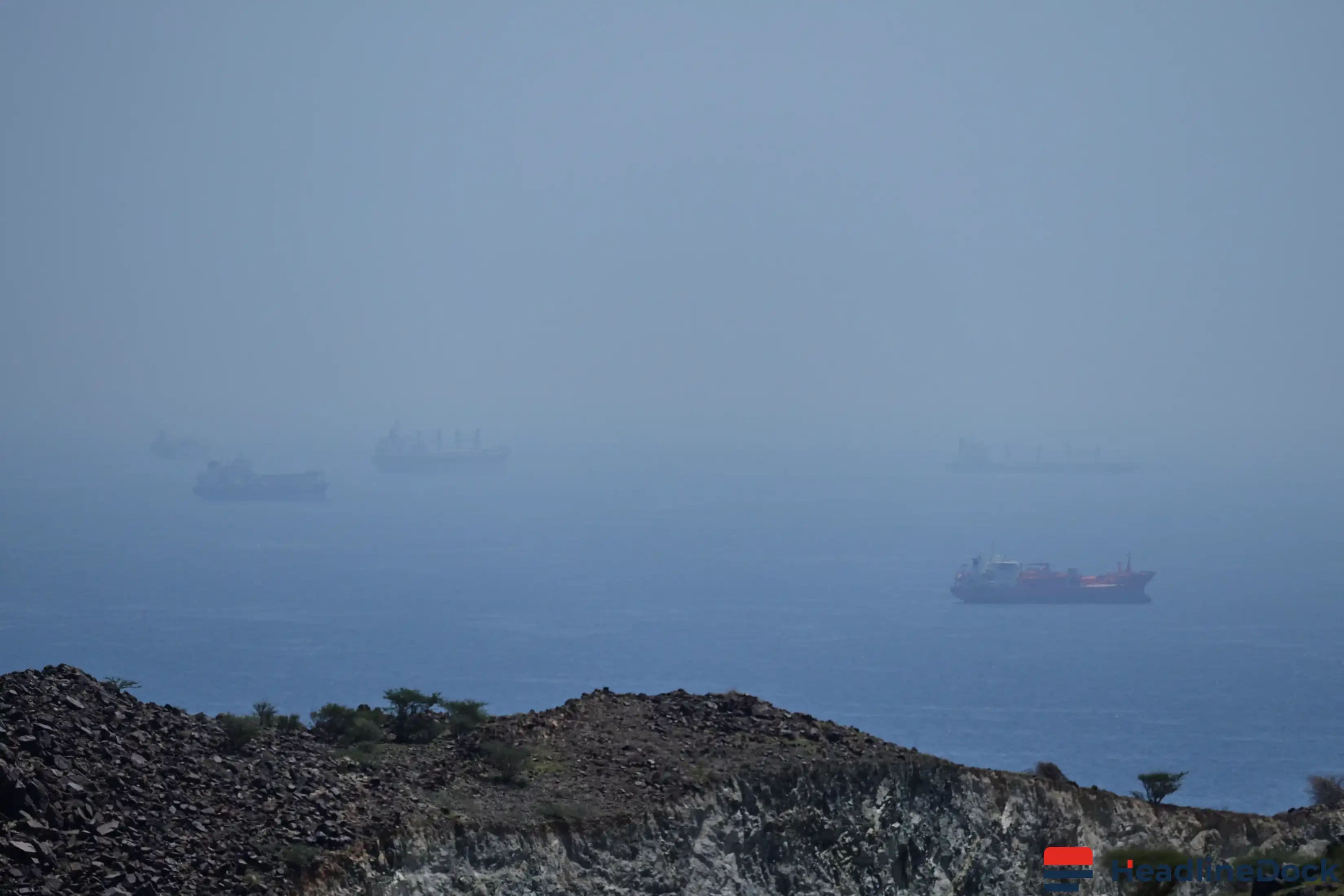
The strategic importance of Crimea—valued for its Black Sea naval bases and tourism—has made it a focal point of recent military activities. Ukrainian officials, including Defense Minister Mykhailo Fedorov, have emphasized that these drone strikes are effectively isolating the peninsula, potentially leading to significant challenges for Russian forces. By targeting logistics routes and energy infrastructure, Ukraine aims to weaken Russia's hold on the territory annexed in 2014.
The impact of these operations extends beyond military targets. Russian authorities have faced mounting pressure, with government officials reporting the need to restrict diesel and gasoline exports to ensure domestic supply. Furthermore, security concerns have led to the suspension of sporting events and children's summer camps through September 1st, reflecting the heightened state of tension in the region. Russian President Vladimir Putin has acknowledged the attempt to destabilize society, describing the influx of drones as a coordinated effort to disrupt energy and tourism sectors.
On the broader geopolitical front, Russian Foreign Minister Sergey Lavrov has reiterated Moscow's commitment to ensuring the security of its ally, Belarus. This follows accusations from President Volodymyr Zelenskyy that Belarusian relay equipment is being utilized to assist in Russian drone attacks against Ukraine. As the conflict persists, Ukraine continues to leverage its domestic drone production capabilities—reportedly responsible for over 800,000 strikes since the start of the year—to maintain pressure on Russian supply chains and frontline positions.
Despite the challenges, Ukrainian diplomatic representatives at the United Nations have expressed a readiness for direct peace negotiations, provided they align with the U.N. Charter. However, the military remains focused on its objective of reclaiming occupied territories, with officials suggesting that these latest strikes represent only the beginning of a broader campaign to alter the dynamics of the war.