Reimagining India’s Development Through Japan’s Proven Culture of Excellence
India seeks to redefine its national development strategy by adopting Japan’s historic commitment to quality and excellence. By integrating these practices into governance, manufacturing, and technology, India aims to build a sustainable, robust future aligned with international standards.
Highlights
- •Japan's post-war rise demonstrates the importance of a national mission centered on quality and craftsmanship.
- •Concepts like Kaizen and Monozukuri integrated excellence into the daily cultural and organizational fabric of Japan.
- •India can learn from Japanese precision engineering to strengthen its expanding digital and data infrastructure.
- •A strategic Indo-Japanese partnership should prioritize quality standards in manufacturing, public governance, and vocational training.
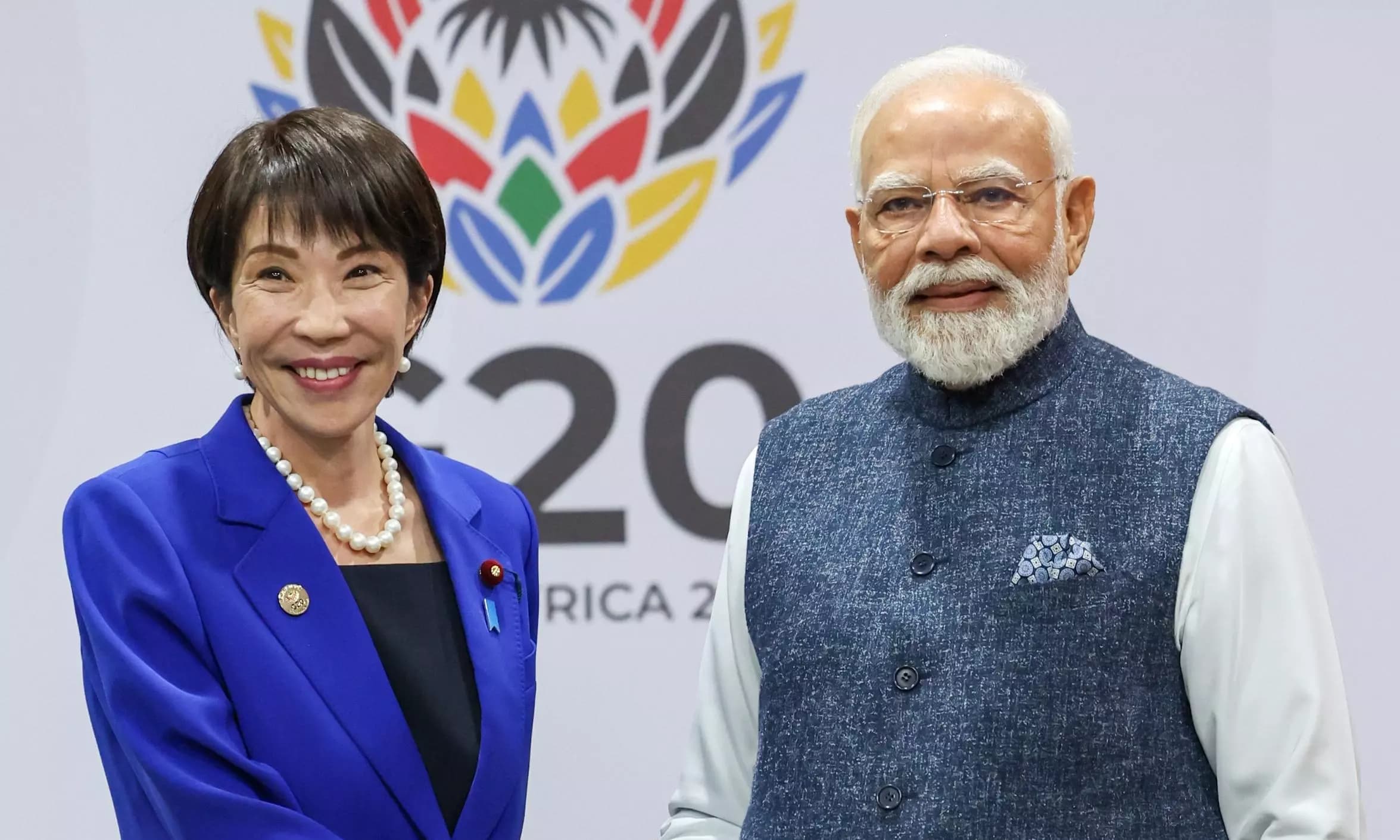
As the upcoming visit of Japanese Prime Minister Ms Sanae Takaichi approaches, discussions are expected to center on strategic cooperation, including technology transfers, supply chains, and semiconductor investments. However, the most critical takeaway for India lies in adopting a national culture of excellence, mirroring Japan’s post-war trajectory. For years, India has prioritized rapid expansion and sheer quantity over the rigorous standards necessary for long-term growth.
Building a National Culture of Excellence
Following World War II, Japan faced a global reputation for manufacturing unreliable, cheap goods. Through a dedicated national mission that spanned decades, the country transformed its industrial landscape. Influential thinkers like W. Edwards Deming and Joseph Juran were instrumental in integrating statistical quality control and advanced management practices across all sectors. This shift was not merely a business strategy; it became deeply embedded in the cultural fabric of the nation.
Central to this transformation were concepts like Kaizen, which emphasizes continuous, incremental improvement, and Monozukuri, the profound pride in craftsmanship. In Japan, excellence is viewed as a moral and ethical obligation rather than just a trade objective. This rigorous commitment to quality is evident today in the precision of the Shinkansen bullet train system and the global dominance of firms like Toyota, Sony, and Panasonic.
India’s pursuit of a culture of excellence is essential as the nation scales its infrastructure and digital public services. While platforms such as UPI and Aadhaar have achieved global recognition for scale and inclusion, long-term success requires a heightened focus on system resilience, data integrity, and cybersecurity. The Japanese model of fault-intolerant engineering offers a vital blueprint for India to ensure these digital advancements remain robust and secure.
Strategic Partnership for Future Growth
A renewed Indo-Japanese partnership could serve as the catalyst for India’s development. This collaboration should focus on five key pillars: establishing a bilateral movement for quality standards, enhancing manufacturing capabilities similar to the success seen with Maruti Suzuki, improving public service efficiency, developing vocational education through joint training centers, and combining Indian innovation with Japanese precision in execution.
By fostering a national culture of excellence, India can move beyond simple growth targets. Aligning with Japan’s proven methodology offers a pathway to refine institutional governance, educational outcomes, and industrial standards. Ultimately, the future of a developed nation, or Viksit Bharat, depends on making the pursuit of the highest standards a daily, integrated practice across all levels of society, transforming quality from an abstract goal into a tangible way of life.