All Eyes on Kerala Budget as UDF Faces Tough Financial Choices
As the UDF government prepares to present its first Kerala Budget, the administration must navigate a precarious fiscal landscape marked by high debt. Observers are watching closely to see how the government balances its ambitious welfare promises with necessary financial discipline.
Highlights
- •The UDF government faces a critical fiscal challenge with over Rs 5 lakh crore in outstanding liabilities.
- •The upcoming Kerala Budget is expected to address key election promises, including the Indira Guarantees.
- •Proposed initiatives include the Oommen Chandy Health Insurance Scheme and increased monthly social welfare pensions.
- •Debate persists between the government and the CPI(M) regarding the necessity of restructuring the KIIFB.
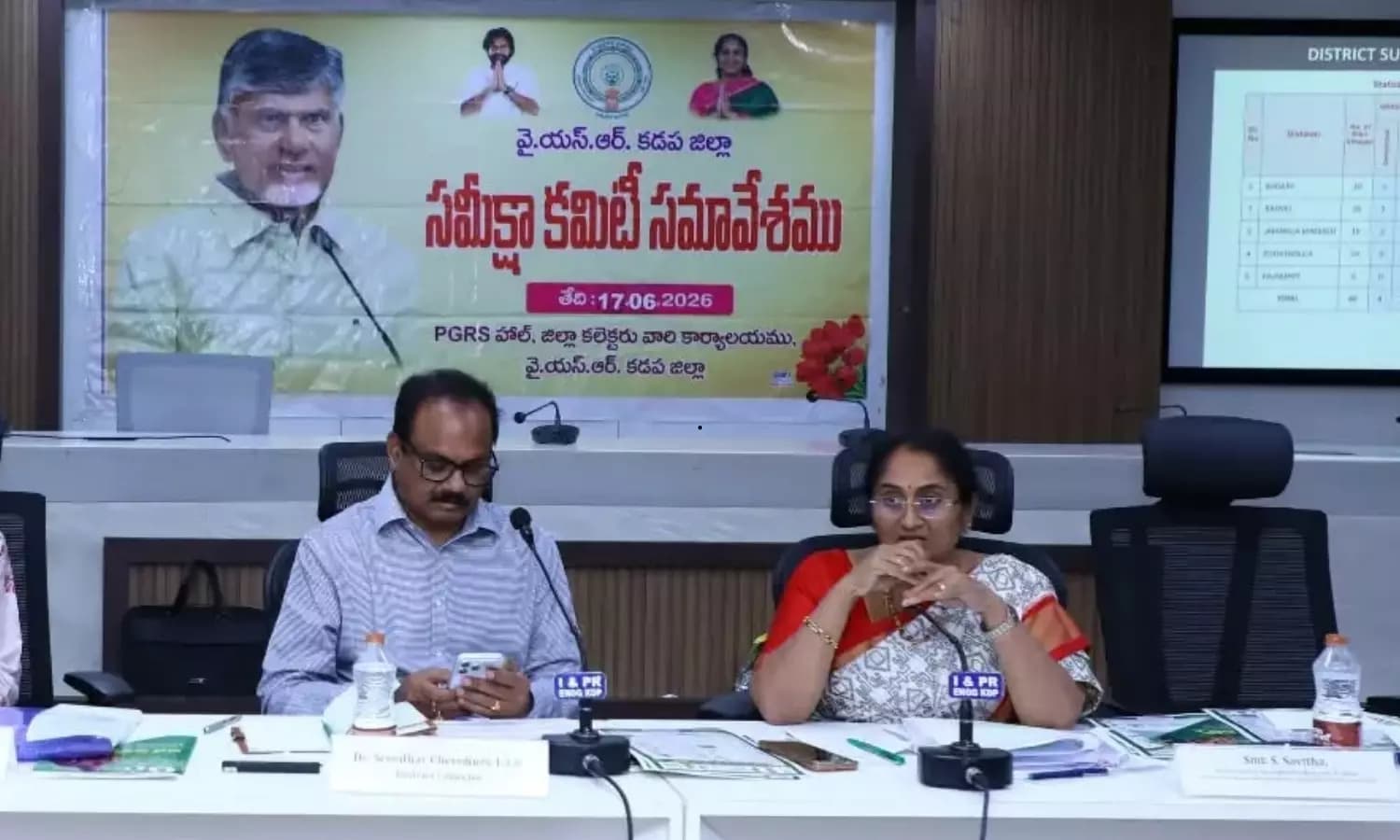
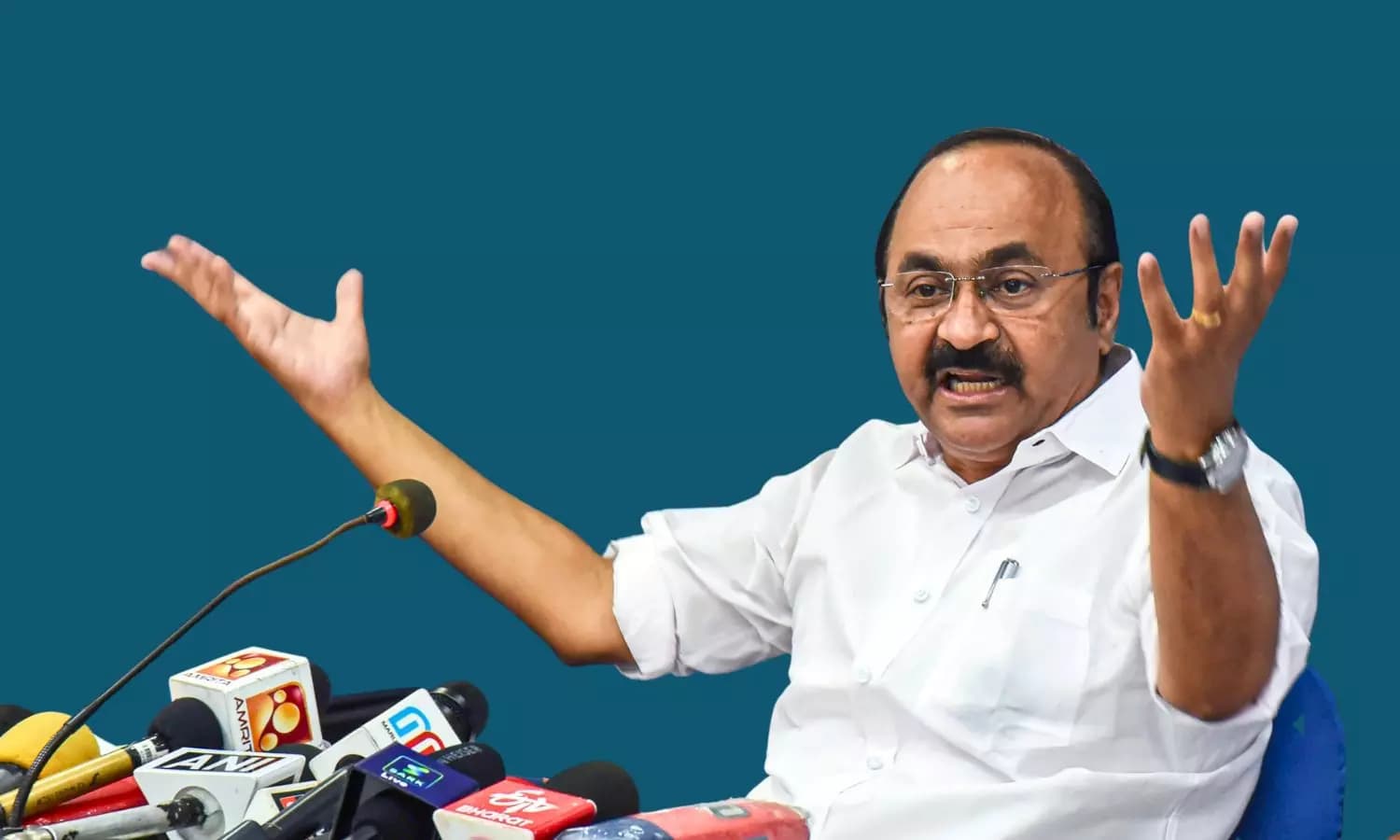
Thiruvananthapuram is bracing for the presentation of the first Kerala Budget under the new administration, as Chief Minister V D Satheesan prepares to unveil the government’s financial roadmap. With the UDF government facing immense pressure, stakeholders are closely monitoring how the state plans to navigate a challenging fiscal environment while addressing pressing economic concerns.
Navigating Fiscal Challenges and Policy Promises
The upcoming Kerala Budget comes at a time when the administration has highlighted a fragile economic situation. Just two weeks ago, a formal white paper was tabled, revealing a stark reality characterized by mounting debt, substantial unpaid liabilities, and restricted fiscal flexibility. Since taking office on May 18, Chief Minister V D Satheesan—who also oversees the Finance portfolio—has emphasized that the government is operating under severe constraints. Finding the necessary resources to honor campaign promises remains a significant hurdle for the administration.
Public attention is fixed on whether the new Kerala Budget will incorporate the ambitious Indira Guarantees promised during the assembly election campaign. While the government has already commenced the initial phase of providing free bus travel for women, several other key pledges remain to be addressed. These include a monthly assistance program of Rs 1,000 for female college students and the introduction of the Oommen Chandy Health Insurance Scheme, which aims to provide health coverage of up to Rs 25 lakh per family. Furthermore, the UDF pledged interest-free loans of up to Rs 5 lakh for budding entrepreneurs and small business owners, alongside a proposal to increase social welfare pensions to Rs 3,000 monthly.
Balancing Development and Financial Discipline
Addressing the fiscal outlook ahead of the presentation, the Chief Minister noted the difficulty of mobilizing an additional Rs 20,500 crore to fully implement the Rs 35,000 crore plan previously outlined by the former Left government in January. He described the balancing act as nearly miraculous, particularly as revenue shortfalls have further tightened the available budget. The state’s financial position, as detailed in the white paper, includes outstanding liabilities exceeding Rs 5 lakh crore and pending payments totaling nearly Rs 49,000 crore.
The institutional future of the Kerala Infrastructure Investment Fund Board (KIIFB) is another critical subject. The government has signaled a need for major restructuring, citing loan liabilities of Rs 21,000 crore and a significant backlog of projects awaiting funding. In contrast, the opposition CPI(M), led by former Finance Minister K N Balagopal, disputes these findings. They contend that the state's financial health is fundamentally stable and advocate for pressuring the central government to release the revenue deficit grant rather than reducing welfare allocations. As the state moves forward, the focus remains on how the administration will reconcile its development vision with the realities of its current fiscal landscape.