Rare Earthquake Doublet Strikes Northern Venezuela: What We Know So Far
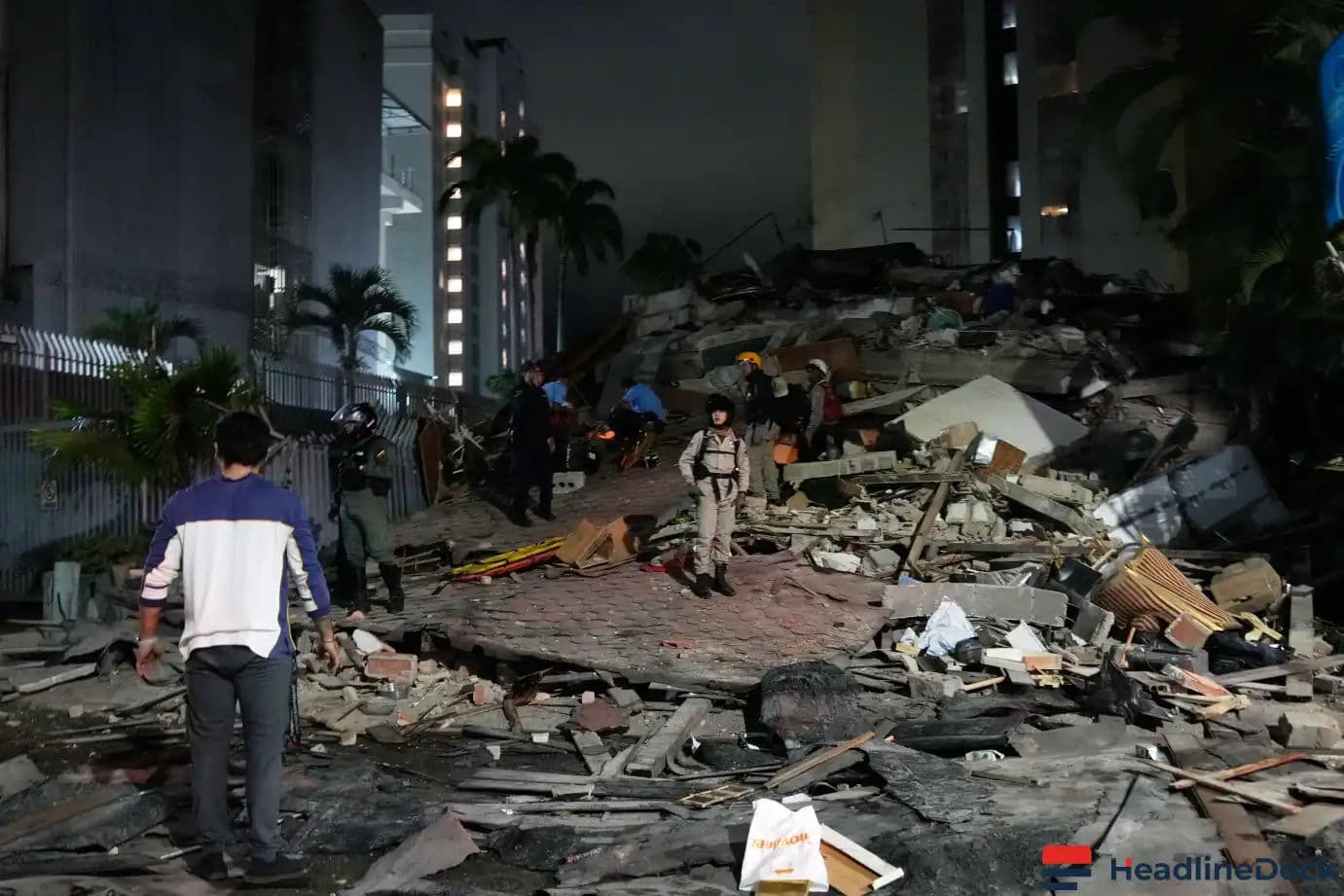
Northern Venezuela was struck by a rare earthquake doublet on June 25, 2026. The back-to-back 7.2 and 7.5 magnitude tremors have caused widespread destruction, with authorities anticipating a high casualty count following the severe shaking in the mountainous region.
Highlights
- •A rare earthquake doublet struck northern Venezuela, with back-to-back tremors measuring 7.2 and 7.5 magnitude.
- •The seismic events occurred 39 seconds apart near the towns of San Felipe and Yumare.
- •Widespread structural collapse and ground failure have been reported, with officials fearing thousands of casualties.
- •The region sits on a complex tectonic boundary between the Caribbean and South American plates.
On the evening of Wednesday, June 25, 2026, the northern region of Venezuela was rocked by a devastating seismic event known as an earthquake doublet. The back-to-back tremors caused widespread destruction and prompted fears that the final casualty toll could reach into the thousands as rescue efforts continue.
The first significant tremor struck in the vicinity of San Felipe, the capital of Yaracuy state, shortly after 6:00 p.m. local time. In a rare and terrifying phenomenon, a second, even more powerful quake occurred just 39 seconds later near the town of Yumare. These epicenters were located within 5 to 10 kilometers of each other, sending intense shockwaves across the region, including the capital city, Caracas, situated approximately 150 kilometers to the east.
Understanding the Earthquake Doublet Phenomenon
According to the US Geological Survey (USGS), the event is classified as an earthquake doublet. This term describes a pair of quakes occurring in close proximity, both in time and physical location, with similar magnitudes. In this specific incident, the initial 7.2 magnitude foreshock was followed less than a minute later by a 7.5 magnitude mainshock. Seismological data indicates these quakes likely originated from distinct faults with varying rupture styles.
The mountainous terrain of Venezuela is particularly susceptible to ground failure, including landslides and soil liquefaction, which exacerbate the damage caused by such powerful tremors. Furthermore, the sediment composition beneath Caracas is known to amplify seismic waves, significantly increasing the vulnerability of infrastructure in the capital. It is hypothesized that the first quake increased stress on the neighboring fault, effectively triggering the second, more powerful release of energy.
This earthquake doublet highlights the complex tectonic activity occurring along the boundary between the Caribbean Plate and the South American Plate. These massive tectonic plates slide past each other at an annual rate of roughly 20 millimeters, fueling large strike-slip fault systems like the Boconó, San Sebastián, and El Pilar systems. Historically, this region has been prone to significant seismic activity, with major recorded events including the 1900 Caracas earthquake and the 1967 tremor.
While doublets are relatively uncommon, they are not unprecedented. Recent years have seen similar occurrences, such as the 2023 sequence in Turkey and Syria, as well as the 1988 triplet event in Tennant Creek, Australia. As Venezuela grapples with the aftermath of this disaster, experts emphasize the necessity of understanding these complex fault interactions to better prepare for future seismic risks in the region.