Poliovirus Detected in Ghaziabad Sewage: Expert Insights on Public Health Response
Health officials in Ghaziabad have detected vaccine-derived poliovirus type 1 in sewage, an event highlighting the strength of India's environmental surveillance. Experts clarify that this is not a wild polio outbreak but a signal to strengthen immunization coverage in vulnerable, under-vaccinated urban pockets.
Highlights
- •Health authorities detected vaccine-derived poliovirus type 1 in a Ghaziabad sewage plant on June 9, 2026.
- •The discovery highlights the effectiveness of India's environmental surveillance system as an early warning mechanism.
- •VDPV1 signals the presence of under-immunized population pockets rather than a return of wild poliovirus.
- •Response efforts prioritize targeted door-to-door vaccinations for children under five in affected catchment areas.
On June 9, 2026, health authorities in the Ghaziabad district of Uttar Pradesh identified the presence of vaccine-derived poliovirus type 1 (VDPV1) within samples collected from a sewage treatment facility. This discovery underscores the effectiveness of India's robust environmental surveillance network, a system engineered to detect potential viral threats through wastewater analysis long before clinical symptoms emerge in the local population. It is critical to note that this is not a resurgence of wild poliovirus, but rather a vaccine-derived strain, a distinction that carries significant implications for public health management and response strategies.
Understanding Poliovirus Surveillance and Public Health
The distinction between wild poliovirus and vaccine-derived poliovirus is fundamental to interpreting this finding correctly. While wild poliovirus was responsible for widespread paralysis in the past, vaccine-derived poliovirus (VDPV) typically emerges when the attenuated live virus, utilized in oral polio vaccines, circulates for an extended period within communities that have insufficient immunization coverage. Over time, the virus may undergo mutations, potentially regaining its ability to cause disease. However, in regions with high immunization rates, transmission chains are efficiently severed, preventing the virus from establishing itself. Therefore, the detection of VDPV1 serves as a vital signal indicating the existence of pockets with under-vaccinated children, rather than an imminent threat of a wild polio outbreak.
This episode highlights the success of India's sophisticated early warning system. By monitoring sewage, authorities can identify viral circulation in dense urban environments even when no clinical cases are present. India has remained free of wild poliovirus since January 2011, a milestone recognized by the World Health Organisation. Nevertheless, this recent detection in Ghaziabad reinforces the necessity for ongoing vigilance. Such signals have appeared in the past, including instances in Kolkata and the West Garo Hills, each time prompting immediate, targeted immunization drives and investigative measures.
Strategic Response and Urban Health Challenges
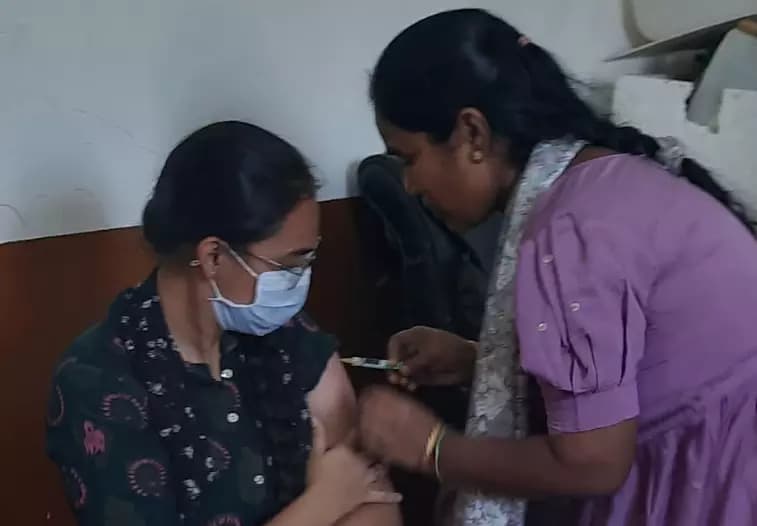
The standard protocol for addressing such a detection involves a structured, administrative response designed to prevent the spread of the virus while avoiding public alarm. Primary efforts include localized, door-to-door vaccination campaigns, specifically targeting children under the age of five whose immunization status remains uncertain or incomplete. Health professionals are tasked with verifying records and identifying those who have been missed by routine services. Furthermore, ongoing sewage sampling and genetic sequencing are essential to tracking the virus’s lineage and determining if it continues to circulate.
Beyond the immediate viral concerns, the presence of VDPV1 in urban sewage draws attention to structural vulnerabilities in city health governance. Rapidly expanding urban centers often host large, mobile populations, including migrant families and informal housing clusters, which can be challenging for traditional primary care networks to reach consistently. The Ghaziabad incident serves as a crucial reminder that maintaining polio-free status requires daily, disciplined effort rather than a one-time achievement. Protecting the nation's public health depends on bridging gaps in preventive service delivery and ensuring that every child is effectively reached.