Hyderabad Health Minister Orders Urgent Testing for Seasonal Diseases Amid Monsoon Onset
Hyderabad Health Minister Damodar Rajanarsimha has directed officials to prioritize prompt testing and immediate treatment for seasonal diseases. The strategy focuses on proactive mosquito control, robust hospital preparedness, and community-wide awareness campaigns to manage health risks during the monsoon season effectively.

Highlights
- •Health Minister Damodar Rajanarsimha mandated prompt testing for seasonal illnesses in Hyderabad.
- •Government hospitals are instructed to ensure adequate supplies of medicine, diagnostic kits, and platelets.
- •Authorities are intensifying mosquito-control measures and weekly dry-day programs to prevent disease outbreaks.
- •ASHA workers and ANMs are conducting door-to-door awareness campaigns in high-risk areas like schools and villages.
As the monsoon season sets in, the government of Hyderabad has prioritized public health by mandating aggressive measures to tackle seasonal diseases. Health Minister Damodar Rajanarsimha issued clear instructions to department officials on Monday, emphasizing the necessity of prompt testing and immediate medical intervention for any individuals showing symptoms of dengue, malaria, or other common monsoon-related fever illnesses.
The health minister stressed that the administration's top priority should be the proactive prevention of outbreaks rather than merely focusing on curative measures after infections have taken hold. During a high-level review meeting aimed at evaluating the preparedness of government medical facilities, Damodar Rajanarsimha directed all state hospitals to maintain robust stocks of essential supplies. This includes a strict requirement to ensure there are no deficits in life-saving medicines, diagnostic kits, oral rehydration salts (ORS), and platelet supplies. Furthermore, he mandated that medical personnel and emergency response services remain on high alert to handle any surge in patient numbers.
Strengthening Proactive Health Measures
A significant focus of the state's strategy involves enhanced mosquito-control initiatives conducted in close collaboration with the municipal administration and panchayat raj departments. To effectively combat the breeding of disease-carrying insects, officials are directed to rigorously implement the weekly ‘dry day’ program. These efforts include systematic larval control, widespread fogging operations, and the continuous monitoring of stagnant water sources to break the transmission cycle. Additionally, specialized fever surveys will be conducted to identify hotspots early.
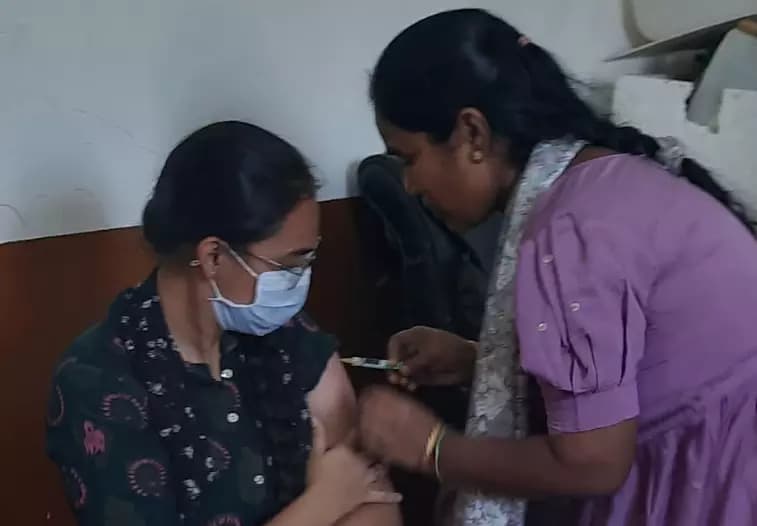
Public awareness remains a cornerstone of this Hyderabad health initiative. ASHA workers and ANMs have been tasked with launching door-to-door campaigns to educate citizens on preventive strategies against seasonal diseases. These awareness efforts are particularly focused on vulnerable populations in high-risk zones, including rural villages, town centers, school campuses, student hostels, and busy construction sites.
The health minister also highlighted the critical need for inter-departmental synergy to maintain high standards of public sanitation. By fostering stronger cooperation between the departments of municipal administration, education, women and child welfare, and revenue, the government aims to accelerate critical sanitation drives and ensure consistent access to safe drinking water. Strengthening field-level monitoring remains vital to safeguarding public health throughout the rainy season. Senior health officials, including the Director of Public Health, Dr. Ravinder Nayak, the Director of Medical Education, Dr. Narendra Kumar, and medical officer Dr. Amar Singh Naik, participated in the review to coordinate these ongoing efforts.