Oil Tankers Exit Hormuz for Gulf Destinations
Oil tankers have left the Strait of Hormuz for destinations including India and China, as maritime traffic continues to be affected by geopolitical tensions. The movements are part of a broader trend that has seen limited overall transit through the strait.
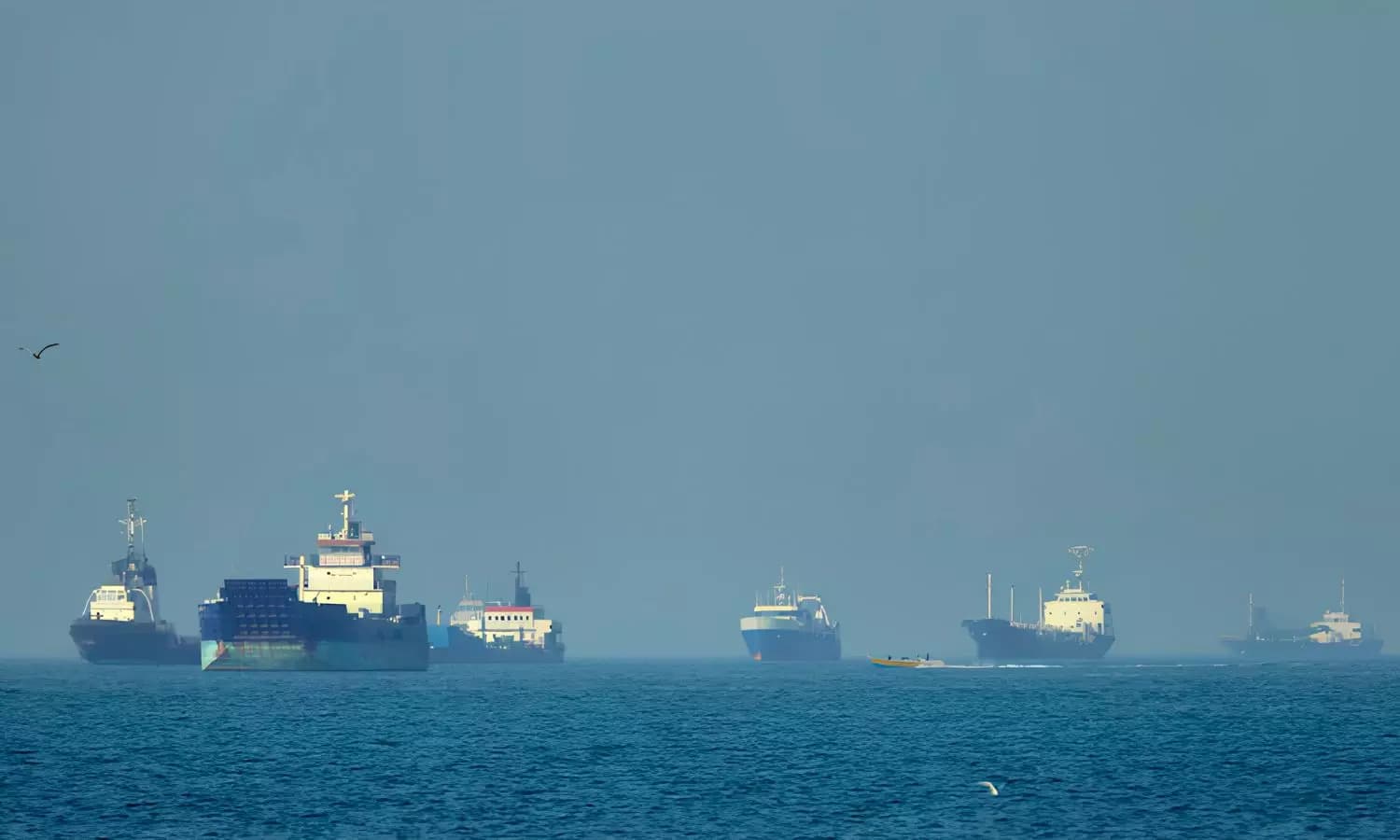
Highlights
- •Nissos Keros headed to Visakhapatnam with 1.8 million barrels of Das crude
- •Eagle Veracruz is sailing towards Quanzhou, loaded with 2 million barrels from Saudi Arabia
- •Strait of Hormuz traffic averages about 125-140 daily passages despite geopolitical tensions
- •Seafarers currently number around 20,000 stranded in ships due to the blockade
Indonesian supertanker Nissos Keros, carrying 1.8 million barrels of Das crude from the United Arab Emirates, is en route to the Indian port of Visakhapatnam, set to arrive on June 3. The Very Large Crude Carrier (VLCC) will dock at Hindustan Petroleum's refinery for processing.
Another VLCC, Eagle Veracruz, ferrying 2 million barrels of crude from Saudi Arabia, is also making its way towards Quanzhou port in China's southeastern Fujian province. The ship could reach the port by June 16 where Sinochem's refinery waits for unloading.
Strait of Hormuz Traffic Remains Limited
The U.S.-Israeli conflict that began on February 28 has significantly reduced maritime traffic through the Strait of Hormuz, a major transit gateway for global supplies of oil and LNG. Before the tension escalated, daily passage averaged between 125 to 140 ship movements per day.
The Nissos Keros left Hormuz on May 30, with Vitol, which chartered the carrier, and manager Kylades Maritime not immediately responding to contact requests. Meanwhile, Eagle Veracruz set sail soon after obtaining permission from Iran last month.
Adding to the existing ships transiting is a LNG tanker, Umm Al Ashtan, which left Das Island for cargo loading on May 27 and was seen off Oman's coast signaling its heading towards India. Managers at ADNOC declined any comment, citing company policy.
About 20,000 seafarers remain stranded across hundreds of ships in the Gulf due to the blockade at Hormuz.