New Zealand Braces for Historic El Niño Event with Drought and Wildfire Warnings

El Niño has been officially declared in New Zealand, with experts warning it could become one of the strongest events on record. The phenomenon is expected to drive drier conditions and increased wildfire risks in many regions, while bringing wetter weather to parts of the South Island.
KEY TAKEAWAYS
1 MIN READ- New Zealand has officially declared an El Niño event, expected to be one of the strongest ever.
- Northern and eastern regions face higher risks of drought and wildfires due to drier conditions.
- Southland and the lower West Coast are anticipated to experience wetter than average weather.
- Experts warn of an intensifying pattern that could reach 'super El Niño' status in coming months.
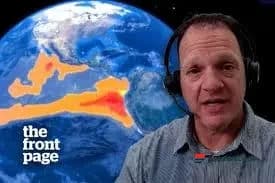
New Zealand is officially bracing for the impact of a significant El Niño event as the climate pattern takes hold across the Pacific. Experts have confirmed that the phenomenon is currently underway and is showing signs that it could intensify into one of the strongest on record. With sea surface temperatures in the eastern Pacific already elevated and trade winds weakening, meteorologists are closely monitoring the situation as these conditions become coupled with the atmosphere.
Predicting the Impact of a Strong El Niño
The latest seasonal climate outlook indicates that El Niño will be the dominant force steering New Zealand's weather patterns throughout the upcoming spring and summer seasons. While historical data provides a framework for understanding these events, scientists emphasize that each occurrence possesses its own unique characteristics. However, the expectation for a potential "super El Niño" raises concerns about more profound environmental effects across the country.
Current forecasts suggest a distinct regional divide in weather conditions. The northern and eastern regions of the North Island, along with the eastern coast of the South Island, are projected to experience drier and windier conditions as the season progresses. Conversely, the lower half of the West Coast and Southland are likely to see increased precipitation. Despite these long-range trends, immediate attention is being directed toward a significant low-pressure system expected to bring much-needed rain to parts of the eastern South Island, including Canterbury and Marlborough, in the coming week.
The combination of these climate drivers and the ongoing trend of rising global temperatures, linked to climate change, adds complexity to the situation. Officials are particularly concerned about the elevated risk of wildfires in areas such as Canterbury, Marlborough, Wairarapa, Hawke’s Bay, Gisborne, Bay of Plenty, and Northland. As the country moves deeper into the calendar year, the cumulative effects of reduced rainfall and increased wind speeds are expected to become more pronounced, requiring vigilance from residents and emergency management services alike.