NCERT Introduces 1975 Emergency and Highlights Judicial Independence in New Class 9 Textbook
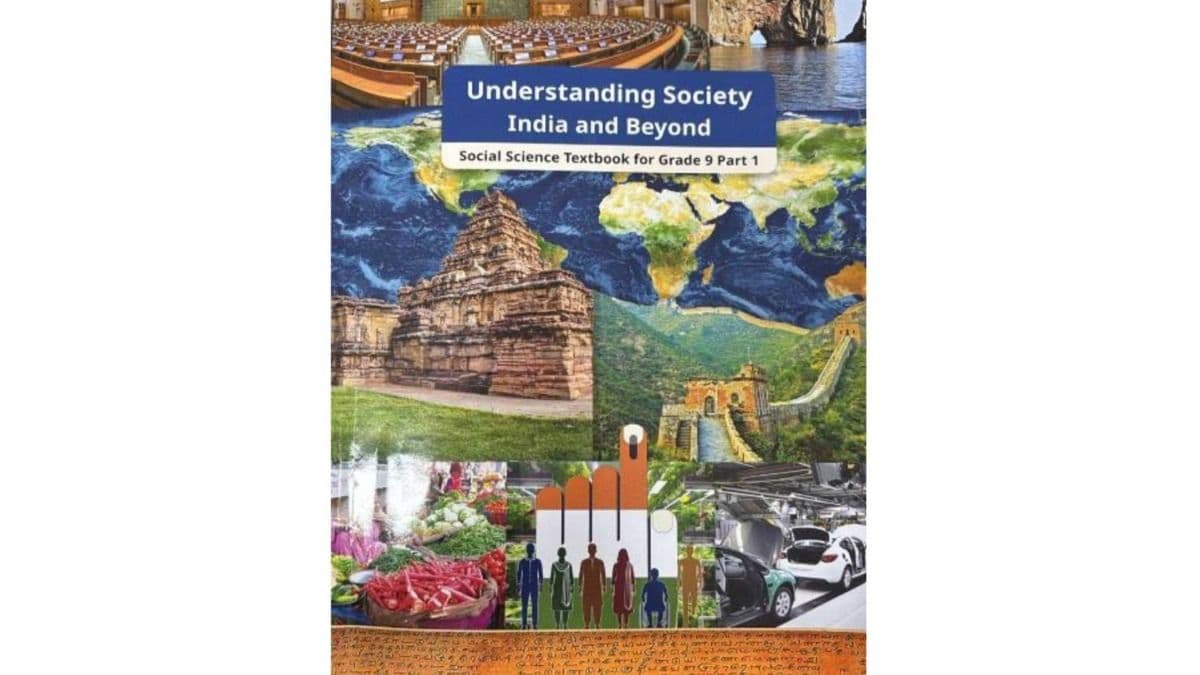
The NCERT has introduced a new Class 9 Social Science textbook that includes a section on the 1975 Emergency and describes the judiciary as independent. These curriculum changes, aligned with NEP 2020, aim to provide students with a deeper understanding of democratic history and institutional integrity.
KEY TAKEAWAYS
1 MIN READ- The new NCERT Class 9 textbook introduces a dedicated section on the 1975 Emergency for the first time.
- The revised curriculum describes the judiciary as an impartial and independent pillar of democracy.
- The content highlights the role of PILs and the judiciary's power to invalidate unconstitutional laws.
- These updates align with NEP 2020 reforms to encourage a more comprehensive understanding of Indian history and civic rights.
The NCERT has recently unveiled a revised Class 9 Social Science textbook that marks a significant shift in its educational approach. Among the most notable updates is the inclusion of a dedicated section regarding the 1975 Emergency, a period in Indian history where fundamental rights were largely suspended and press freedom was restricted. This addition provides students with a clearer understanding of a critical era in the nation's democratic journey.
Judiciary and Constitutional Values in New NCERT Curriculum
In addition to historical updates, the new NCERT textbook describes the judiciary as an "impartial and independent" institution. This specific framing serves to reinforce the role of the courts in upholding constitutional values, protecting the rights of citizens, and maintaining checks and balances within the democratic structure. The textbook explicitly details the power of the judiciary to strike down laws deemed unconstitutional, while also emphasizing the importance of Public Interest Litigation (PIL) as a vital tool for improving justice accessibility for marginalized communities.
This curriculum revision comes after previous controversies involving educational materials that had faced scrutiny for their portrayal of institutional corruption and delays. The latest edition aims to offer a more balanced perspective, fostering awareness about the complexities of governance. By incorporating lessons on the 1975 period—a time when institutional failure was prominently tested—the curriculum encourages students to reflect on the fragility of freedoms and the ongoing necessity for civic vigilance.
Furthermore, the textbook aligns with the broader goals of the National Education Policy (NEP) 2020. Beyond the focus on judicial independence and historical milestones, the material introduces new references to ancient texts like the Manusmriti. Educators and observers view these updates as an attempt to provide students with a deeper, less sanitized engagement with political science and democratic theory. The ultimate goal is to cultivate informed future citizens who understand that democracy is not merely a static system but a habit requiring constant cultivation and active participation.
By shifting away from past instances of politically charged revisions, the current NCERT updates aim to present historical and institutional facts in a way that respects the critical thinking abilities of students. Whether discussing the democratic virtues of India or the challenges that arise from within its systems, the new content strives to equip the younger generation with the knowledge necessary to navigate and strengthen the nation's democratic future.