NCERT Class 9 Textbook Highlights Special Intensive Revision of Electoral Rolls
The NCERT Class 9 Social Science textbook has introduced the Special Intensive Revision (SIR) process, explaining its role in maintaining accurate electoral rolls. The content highlights the ECI's efforts to ensure transparent, free, and fair elections for India's 96.8 crore voters.
Highlights
- •NCERT includes Special Intensive Revision in the Class 9 Social Science curriculum.
- •The ECI uses the revision process to update, verify, and correct national electoral rolls.
- •India's electoral system serves over 96.8 crore voters across diverse regions.
- •The revision process has been implemented across 19 states and Union territories to date.
The Special Intensive Revision (SIR) of electoral rolls has officially been incorporated into the NCERT Class 9 Social Science curriculum. This educational update aims to provide students with a comprehensive understanding of how the Election Commission of India (ECI) maintains accurate and updated voter records, ensuring that no eligible citizen is omitted while preventing the inclusion of ineligible entries.
Understanding the Role of the Special Intensive Revision
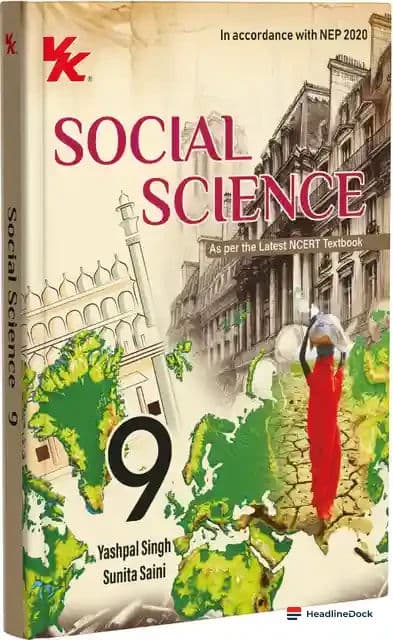
The updated NCERT textbook, titled Understanding Society: India and Beyond, describes the Special Intensive Revision as a crucial administrative mechanism for electoral integrity. This exercise involves a meticulous process of verifying, correcting, and updating voter lists. The curriculum notes that the ECI uses this method to add new voters, particularly those who have recently reached the age of 18, ensuring they are not excluded due to a lack of awareness or administrative hurdles.
Beyond additions, the process also facilitates the removal of names based on specific criteria, such as the death of a voter, changes in primary residence, duplicate registrations, or individuals classified as permanently untraceable. The textbook emphasizes that the ECI provides a transparent window for citizens to file claims or objections against the revised rolls, which must be resolved before the final publication of the list.
Scale and Challenges of India's Electoral Process
The revised textbook highlights the immense scale of the democratic process in India, noting that the country now has over 96.8 crore eligible voters. Managing this vast system requires significant effort, as the Election Commission of India operates across diverse geographic regions and complex socio-economic landscapes.
The chapter titled Challenges to free and fair elections discusses the difficulties faced by the commission. It acknowledges that, despite issues like misinformation, the spread of fake news, and instances of intimidation, the ECI works autonomously to conduct impartial elections. The text contrasts these modern efforts with previous curriculum standards, which previously mentioned only a general revision of lists every five years.
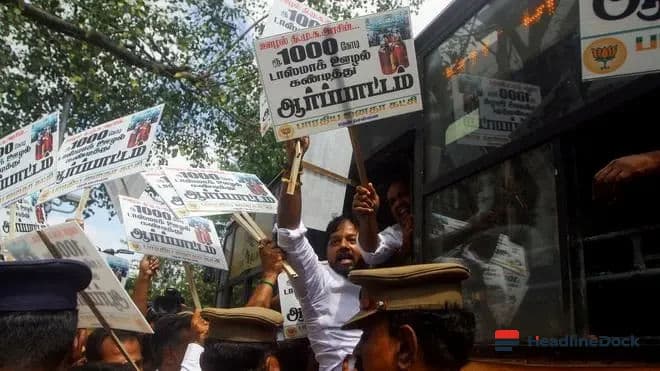
While the Special Intensive Revision has been a focus of classroom learning, it has also been a subject of broader public discourse. Over the past year, the exercise has been implemented across 19 states and Union territories, resulting in the removal of nearly 6 crore names from the rolls. The initiative initially began as a pilot program in Bihar on June 24 of the previous year, which eventually led to the removal of approximately 65 lakh names, triggering debates among political parties regarding administrative transparency and the potential disenfranchisement of voters during the process.