Narendra Modi Hails New Dawn for Development in West Bengal
Prime Minister Narendra Modi, while celebrating Paschimbanga Divas, asserted that West Bengal has entered a new phase of rapid development, critiquing past political leadership while emphasizing his government's commitment to progress and the preservation of the state's historical identity.
Highlights
- •Prime Minister Narendra Modi hailed a new phase of development for West Bengal during Paschimbanga Divas.
- •He credited Syama Prasad Mookerjee and other leaders for ensuring West Bengal remained part of India during Partition.
- •Modi criticized past governments for allegedly downplaying the history and significance of Paschimbanga Divas.
- •The government aims to accelerate growth through a double-engine approach, focusing on railways, agriculture, and welfare schemes.
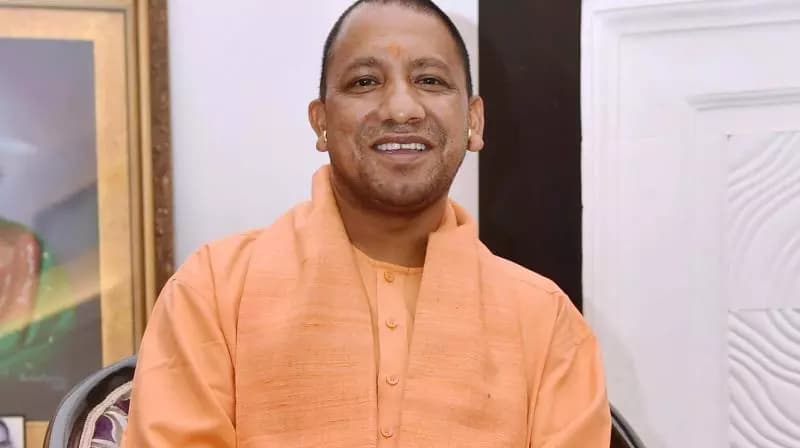
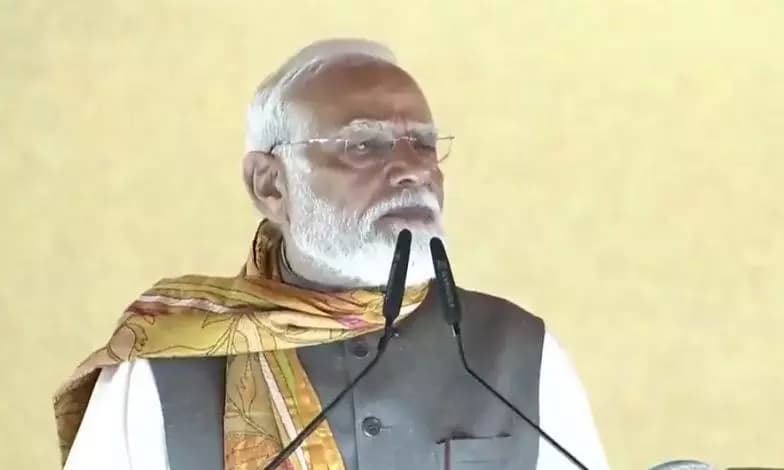
Prime Minister Narendra Modi has declared that West Bengal is embarking on a transformative journey of progress under the current leadership. Marking the Paschimbanga Divas celebrations on Saturday, the Prime Minister emphasized that the state has effectively cast off past constraints, signaling a revitalized era for its citizens.
Speaking to the public, the Prime Minister underscored the importance of Paschimbanga Divas as a symbolic reminder of historical resilience. He noted that the day commemorates a defining moment in history that ensured a significant portion of the region remained within the borders of India. He expressed his optimism regarding the newfound enthusiasm radiating from the people, suggesting that recent electoral outcomes have instilled a deep sense of trust and hope across the state's villages.
Historical Significance and Political Narrative
Delving into the history surrounding the Partition, Narendra Modi highlighted the instrumental role played by Syama Prasad Mookerjee in resisting efforts to include the entire territory of West Bengal in Pakistan. The Prime Minister paid tribute to various intellectuals and figures, such as Meghnad Saha, R.C. Majumdar, Jadunath Sarkar, Suniti Kumar Chatterji, G.D. Birla, and P.R. Thakur, who supported this resistance. He asserted that their collective efforts prevented the complete separation of the region, ensuring it stayed with India.
The Prime Minister did not hold back in his criticism of the Congress, the Left Front, and the Trinamool Congress (TMC). He alleged that these political entities had attempted to diminish the significance of Paschimbanga Divas for their own strategic agendas. He further claimed that the contributions of figures like Syama Prasad Mookerjee were deliberately sidelined due to their ideological affiliations, accusing previous administrations of practicing appeasement politics.
A Vision for Future Development
Looking toward the future, the Prime Minister positioned the current electoral victory as a catalyst for growth. He articulated that the goal of a “double-engine government” is to expedite development initiatives and rectify the gaps left by preceding regimes. By accelerating key projects and removing administrative bottlenecks, the government aims to fulfill long-standing developmental aspirations.
The Prime Minister highlighted that investments across critical sectors—including railways, agriculture, fisheries, animal husbandry, and rural development—are set to revitalize the state’s economy. Furthermore, he committed to the direct delivery of benefits through welfare programs like Ayushman Bharat and the Annapurna scheme. By bypassing middlemen and addressing infrastructural hurdles, such as land transfers required for border fencing, the administration seeks to ensure that the promised development reaches the intended beneficiaries at a rapid pace.