Minab School Strike: Accountability Questions Linger Months After Deadly U.S. Missile Attack
More than four months after a missile strike decimated a primary school in Minab, Iran, killing over 100 children, the U.S. government has yet to release a final investigative report. The lack of transparency leaves families without answers regarding one of the war's deadliest incidents.
KEY TAKEAWAYS
1 MIN READ- A U.S. missile strike on a primary school in Minab, Iran, killed at least 157 people, including 123 children.
- The Pentagon is reviewing an investigation into the strike, but the administration has not formally accepted blame.
- Intelligence gaps meant the school was not correctly identified as a civilian site during the targeting process.
- Independent researchers like Airwars have documented the heavy civilian toll, despite severe Iranian media restrictions.
More than 120 days have passed since a devastating U.S. missile strike hit a primary school in Minab, Iran, yet the international community still faces a profound lack of transparency regarding the incident. The bombing, which occurred on February 28, 2026, stands as one of the deadliest reported events in the ongoing U.S.-Israeli war against Iran, resulting in a staggering loss of life, primarily among children.
Despite reports that the military possessed evidence of the strike shortly after it occurred, the Trump administration has yet to formally release findings from a Pentagon investigation or accept responsibility. The school, known as Shajareh Tayyebeh, was located within a walled compound that previously served as a Revolutionary Guard base. While some students were children of base personnel, many others were local children from the surrounding Baluch community.
The Impact of the Minab School Strike
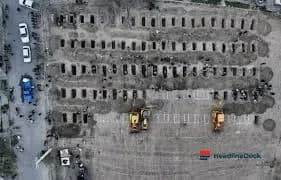
The tragedy unfolded on a busy school morning when bombs began striking Tehran. In a desperate attempt to protect their students, teachers and administrators began calling parents to collect their children early. Tragically, the missile attack struck at least five buildings in the compound, causing the total collapse of the school infrastructure. Independent research, most notably by Airwars, indicates that at least 157 people were killed, including 123 children and 34 adults, though exact figures remain difficult to verify due to strict Iranian government restrictions on information and the shutdown of internet access in the region.
The accountability vacuum has left grieving families without answers or closure. While the U.S. military acknowledged it conducted strikes in the vicinity, internal assessments suggest that the building had been identified as a school by at least one analyst years prior. However, this information failed to circulate effectively among military and intelligence agencies, leading to what appear to be significant shortfalls in target analysis and review processes. President Donald Trump has publicly downplayed the U.S. involvement, stating there is no evidence to support claims that American forces were responsible for the destruction of the Minab school.
As the review process continues within the Pentagon, the lack of a final, comprehensive report highlights the ongoing struggle to document the human toll of the conflict. Rights groups and international representatives continue to call for clarity, emphasizing that regardless of any political or military context, schools remain protected spaces and the loss of young lives in the Minab missile strike remains an undeniable tragedy that demands a full investigation.