Lucknow Fire Tragedy: Why a Nationwide Fire Safety Audit Is Essential
A tragic fire at a Lucknow animation centre has claimed 15 lives, spotlighting systemic failures in fire safety compliance. Experts call for an urgent nationwide audit of building safety and electrical infrastructure to prevent future catastrophes caused by negligence and outdated systems.
Highlights
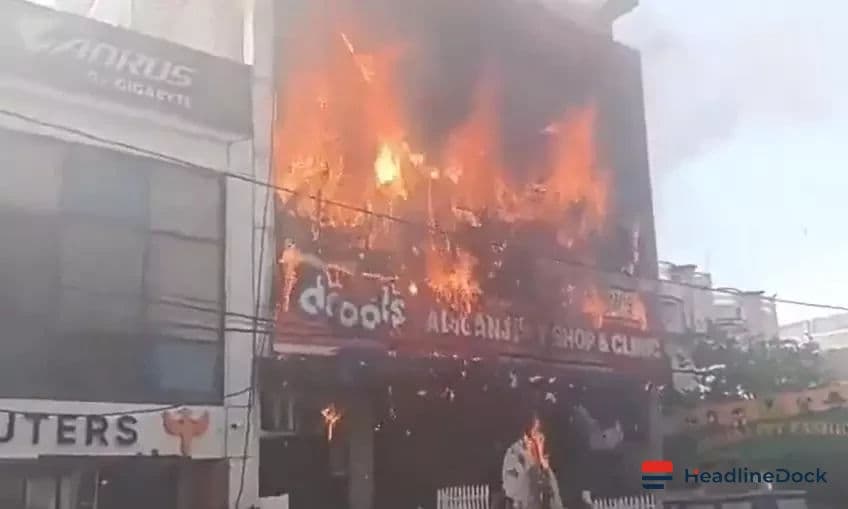
- •A devastating fire at a Lucknow graphics animation centre claimed 15 lives on June 22.
- •Investigations suggest the blaze started in a ground-floor air-conditioning unit and spread rapidly.
- •The building featured unauthorized construction and inadequate wiring unable to handle modern power loads.
- •Authorities are being urged to conduct a comprehensive nationwide fire safety audit of all commercial buildings.
The recent tragic fire at a graphics animation centre in Lucknow on June 22 has once again underscored the urgent need for a nationwide fire safety audit. This devastating incident claimed 15 lives, leaving the community in shock and raising serious questions about the enforcement of safety standards across commercial buildings in the country.
According to preliminary findings, the inferno began in an air-conditioning unit located on the ground floor. From there, it rapidly engulfed the entire structure, turning the building into a lethal trap. Experts point out that the building’s structural design violated fundamental fire safety norms, which significantly hampered evacuation efforts and contributed to the high casualty count.
Addressing Structural and Regulatory Failures
The pattern following such disasters remains disappointingly consistent: local and central authorities announce ex gratia compensation and initiate investigations, yet the systemic issues remain unaddressed. The commercial premises at Aliganj, which was the site of the tragedy, reportedly stood on the foundation of a 46-year-old residential property. Although local authorities had issued a demolition order for this unauthorized construction back in 2016, that order was mysteriously revoked shortly thereafter without valid justification.
A critical factor exacerbating such disasters is the inadequacy of electrical infrastructure. Older structures, often retrofitted for commercial use, possess internal wiring systems that are incapable of handling the heavy power loads required by modern equipment, such as multiple air conditioners and intensive lighting systems. This mismatch between infrastructure capacity and electrical demand creates a dangerous environment prone to short circuits and subsequent fires.
Beyond building owners, there is an urgent need to scrutinize the role of power officials and appliance manufacturers. Utility providers often fail to audit power demands effectively, while equipment manufacturers continue to push high-energy devices without ensuring that the consumer's electrical setup can support them. Consequently, a comprehensive nationwide fire safety audit is not just recommended; it is an absolute necessity to prevent further loss of life.
To ensure public safety, government bodies must move past mere reactive measures. Implementing strict oversight on electrical load auditing, enforcing building safety codes, and holding negligent officials accountable are vital steps toward preventing future catastrophes. Without a robust and proactive framework for urban safety, these preventable tragedies will continue to occur, leaving behind families devastated by official apathy and regulatory negligence.