J&K Government Rejects Outsourcing Allegations as PDP Gears Up for Protests
The Jammu and Kashmir government has denied claims by the PDP that it is outsourcing permanent jobs, amid upcoming protests by the opposition. Officials insist all appointments remain merit-based, while the PDP alleges widespread back-door hiring, highlighting a deepening political rift over recruitment transparency.
Highlights
- •The J&K government rejected PDP allegations that it is outsourcing permanent government jobs.
- •The administration maintains that recruitment is handled transparently via the JKPSC and JKSSB.
- •PDP president Mehbooba Mufti has called for UT-wide protests, alleging 25,000 back-door appointments.
- •Government officials argue that the current outsourcing policy is based on frameworks inherited from the 2015-2018 coalition era.
Tensions surrounding Jammu and Kashmir employment practices have escalated as the regional government formally rejected accusations leveled by the People’s Democratic Party (PDP) regarding the alleged outsourcing of permanent government positions. This political dispute intensifies ahead of a planned union territory-wide agitation organized by the PDP scheduled for Tuesday, further polarizing the discourse on transparency and recruitment standards.
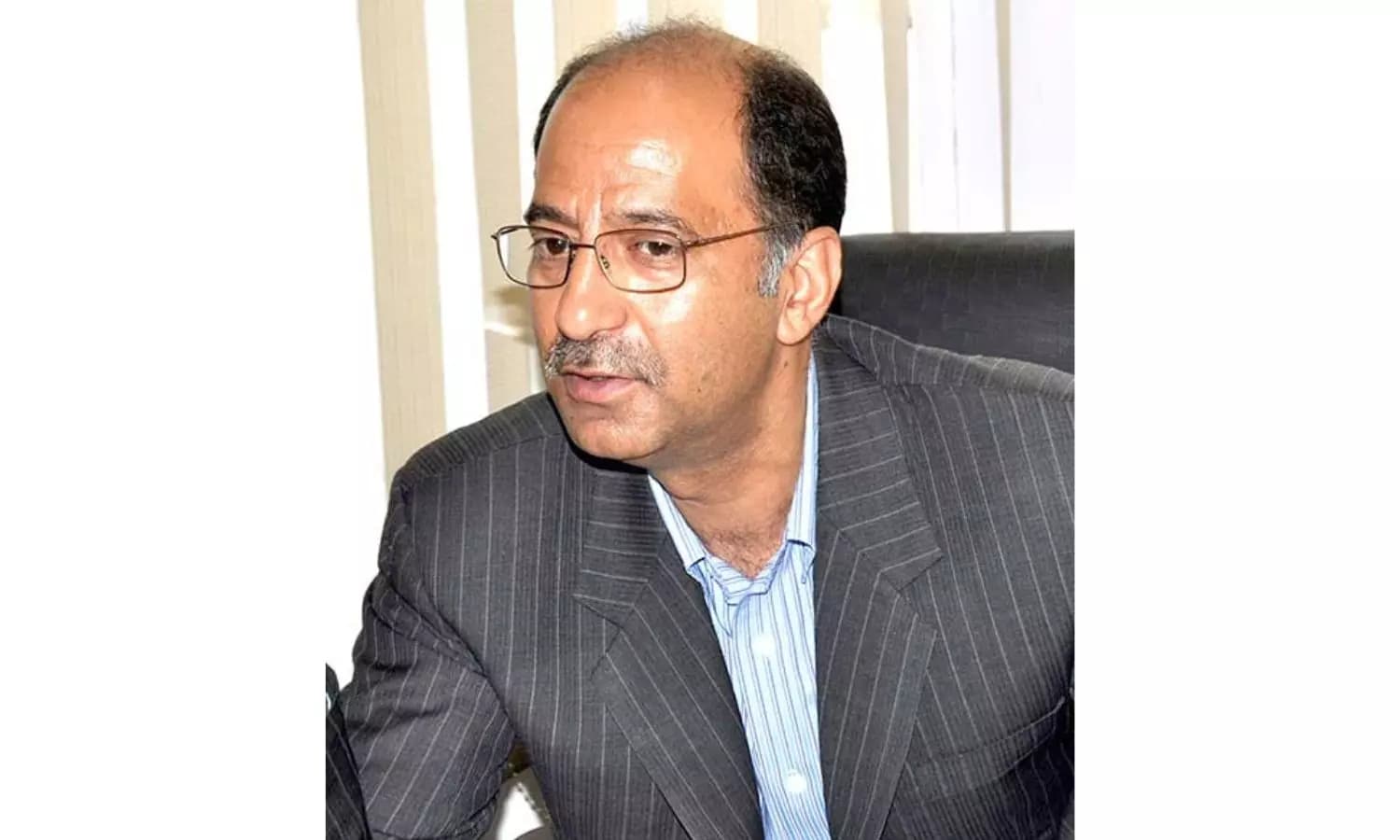
Addressing a press conference in Srinagar, Nasir Aslam Wani, an advisor to the Chief Minister, labeled the opposition's claims as entirely baseless. Wani asserted that all regular government roles are filled through a rigorous, merit-based selection system managed by the J&K Public Service Commission (JKPSC) and the J&K Services Selection Board (JKSSB). He clarified that limited outsourcing is utilized strictly for urgent manpower needs in essential sectors like healthcare, agriculture, and sanitation, specifically for roles falling outside the sanctioned permanent strength.
Understanding the Controversy Over Employment Practices in J&K
Furthermore, Wani emphasized that these outsourcing arrangements are not replacements for permanent jobs, nor do they represent back-door recruitment. He detailed that these engagements follow established financial protocols, including competitive tendering through the Government e-Marketplace (GeM) portal. The administration contends that the policy framework for outsourcing was largely inherited from the PDP-BJP coalition government that governed between 2015 and 2018. Wani challenged the opposition to provide evidence of any illicit appointments under the current leadership, suggesting instead that the previous administration faced its own challenges regarding recruitment irregularities.
Sakina Masood Itoo, the Minister for Health and Medical Education, echoed these sentiments, reinforcing that outsourced personnel are distinct from government employees and do not receive pensions or other formal state benefits. She noted that some institutions independently engage support staff for security and sanitation to maintain operational efficiency. Itoo further linked the prevalence of such engagements to various centrally sponsored schemes introduced during the 2015–2018 period. She questioned the credibility of the opposition, specifically citing ongoing investigations by the Anti-Corruption Bureau (ACB) into past recruitment practices within the J&K Bank.
Meanwhile, the PDP continues to press its agenda. Party president Mehbooba Mufti has claimed that approximately 25,000 irregular appointments have been facilitated, alleging that formal recruitment channels have been bypassed. The party has called for widespread protests, demanding greater transparency and accountability regarding how job opportunities are provided to the youth of Jammu and Kashmir. As both sides trade accusations, the debate over the transparency of Jammu and Kashmir employment practices remains a volatile issue in regional politics, highlighting deeper disagreements over governance and administrative transparency in the union territory.