Israel and Hezbollah Reach Lebanon Ceasefire Following Intense Regional Tensions
Israel and Hezbollah have entered a ceasefire agreement following intensive fighting. Despite the truce, diplomatic negotiations between the U.S. and Iran have been postponed as regional tensions remain high, even as shipping traffic resumes through the vital Strait of Hormuz.

Highlights
- •A Lebanon ceasefire was brokered by U.S. and Qatari mediators following the recent signing of a peace deal.
- •Diplomatic talks between the U.S. and Iran in Switzerland have been postponed indefinitely due to ongoing regional fighting.
- •Casualties continue to rise, with 47 people killed in Lebanon and four Israeli soldiers confirmed dead on Friday.
- •Maritime traffic has resumed through the Strait of Hormuz, with 25 commercial vessels transiting the area on Thursday.
A Lebanon ceasefire agreement between Israel and Hezbollah has been announced, according to a U.S. official. This development comes following intense and deadly exchanges between the two parties that threatened to derail a broader deal aimed at ending the ongoing conflict in the Middle East, which was formally signed less than two days ago.
The regional situation remains volatile. Diplomatic discussions that were slated to occur between the United States and Iran in Switzerland this Friday, intended to build upon the recently established peace accord, have been postponed. Officials have not provided a new schedule for these critical negotiations. Meanwhile, the top negotiator from Tehran has indicated that the nation will not compromise on its core red lines, warning that its military response remains prepared even as maritime activity resumes in the Strait of Hormuz.
Fragility of the Lebanon Ceasefire Agreement
The current framework, signed this week by U.S. President Donald Trump and Iranian President Masoud Pezeshkian, seeks to conclude hostilities that began on February 28 following U.S.-Israeli strikes that resulted in the death of supreme leader Ayatollah Ali Khamenei. While the accord intended to halt fighting in Lebanon—a condition strictly insisted upon by Iran—the persistence of military action continues to create significant friction for Washington.
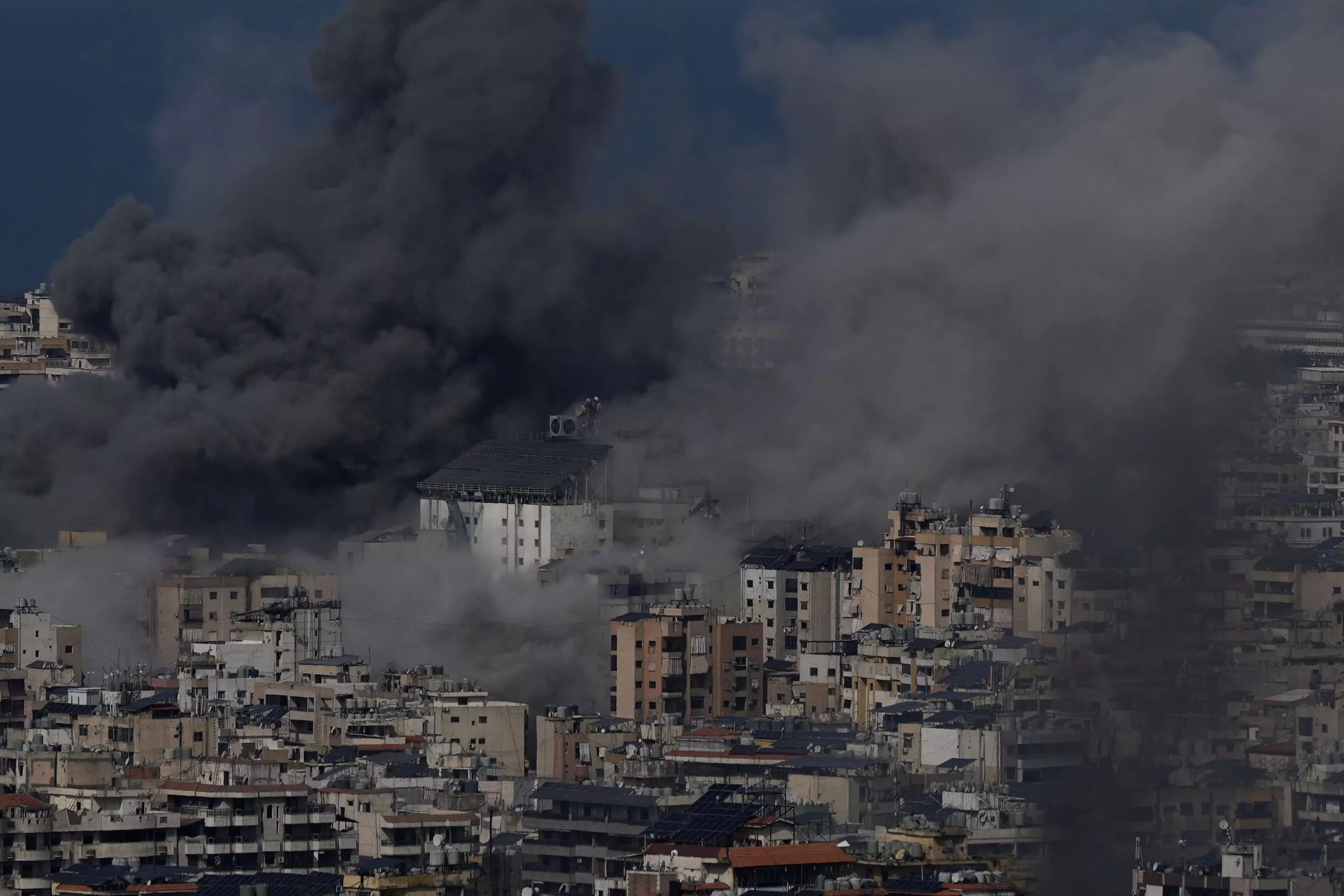
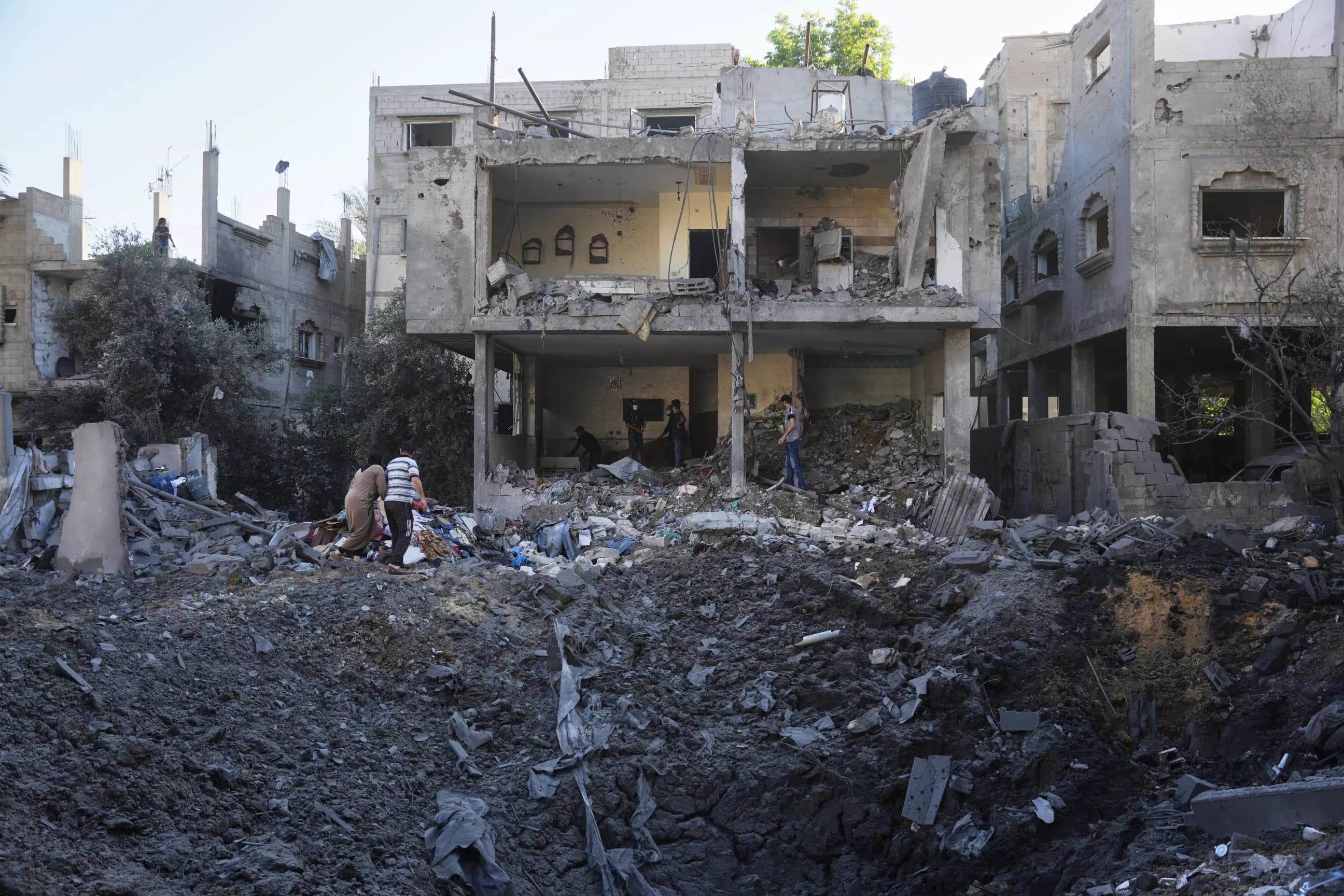
On Friday alone, Israel reported strikes on over 80 Hezbollah targets, claiming the lives of dozens of members from the Iran-backed organization. The human toll in Lebanon reached 47 deaths and 97 injuries from these strikes, while the Israeli military confirmed the loss of four soldiers. Despite the announcement of a truce brokered by U.S. and Qatari mediators, reports emerged of further Israeli airstrikes in the Jezzine region.
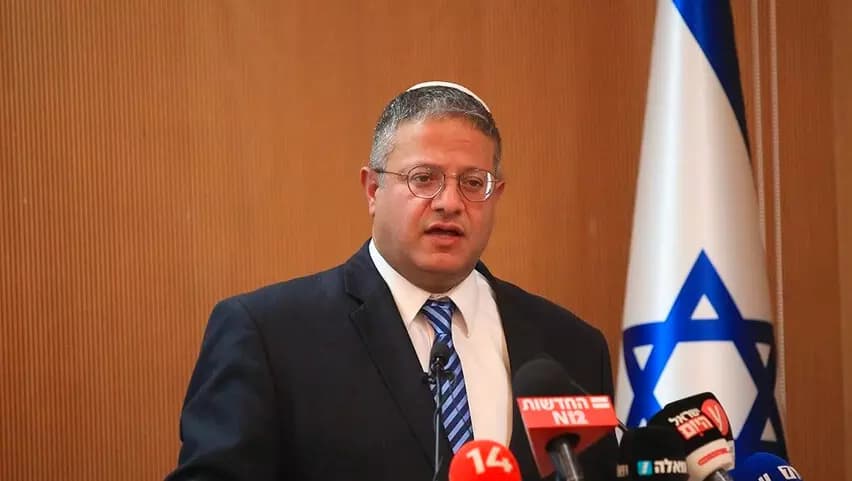
Government figures in Israel have expressed ongoing resolve, with Prime Minister Benjamin Netanyahu stating previously that the military would maintain its presence in Lebanon as long as necessary. Furthermore, Itamar Ben Gvir, Israel’s National Security Minister, adopted a hardline stance following the casualties, suggesting severe military escalation. Iran, through its Foreign Minister Abbas Araghchi, has criticized the Israeli leadership, alleging that their objective remains a state of permanent war.
The diplomatic efforts involving U.S. Vice President JD Vance and Tehran’s negotiator Mohammad Bagher Ghalibaf were intended to address remaining issues, such as Iran’s nuclear program. While Switzerland confirmed the postponement, it emphasized its continued readiness to facilitate future dialogue. Meanwhile, key economic indicators showed improvement as the Strait of Hormuz reopened, with 25 commercial vessels transiting on Thursday. American forces have also ceased their parallel naval blockade of Iranian ports, though naval assets remain present in the vicinity.