Israel Strikes Lebanon as Hezbollah Clashes Threaten Iran-US Truce
A recent escalation of hostilities in Lebanon, characterized by deadly Israeli strikes, is endangering the newly signed Iran-US truce. Diplomatic negotiations in Switzerland have stalled, as the Israeli government continues its military offensive against Hezbollah, defying calls for an immediate end to regional combat operations.
Highlights
- •Israeli strikes in southern Lebanon have resulted in at least 16 deaths amidst escalating clashes.
- •The newly signed Iran-US truce faces threats due to ongoing military activity by Israeli forces.
- •Planned diplomatic talks in Switzerland were delayed following reports of Iranian dissatisfaction with the ongoing conflict.
- •Prime Minister Benjamin Netanyahu insists military operations against Hezbollah will persist despite international pressure for a ceasefire.
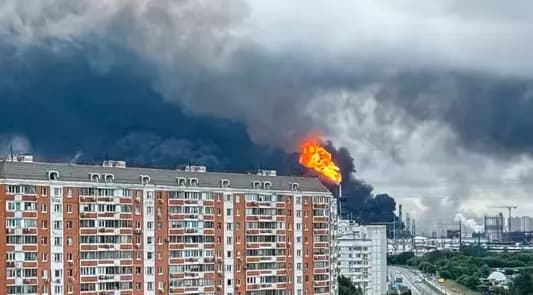
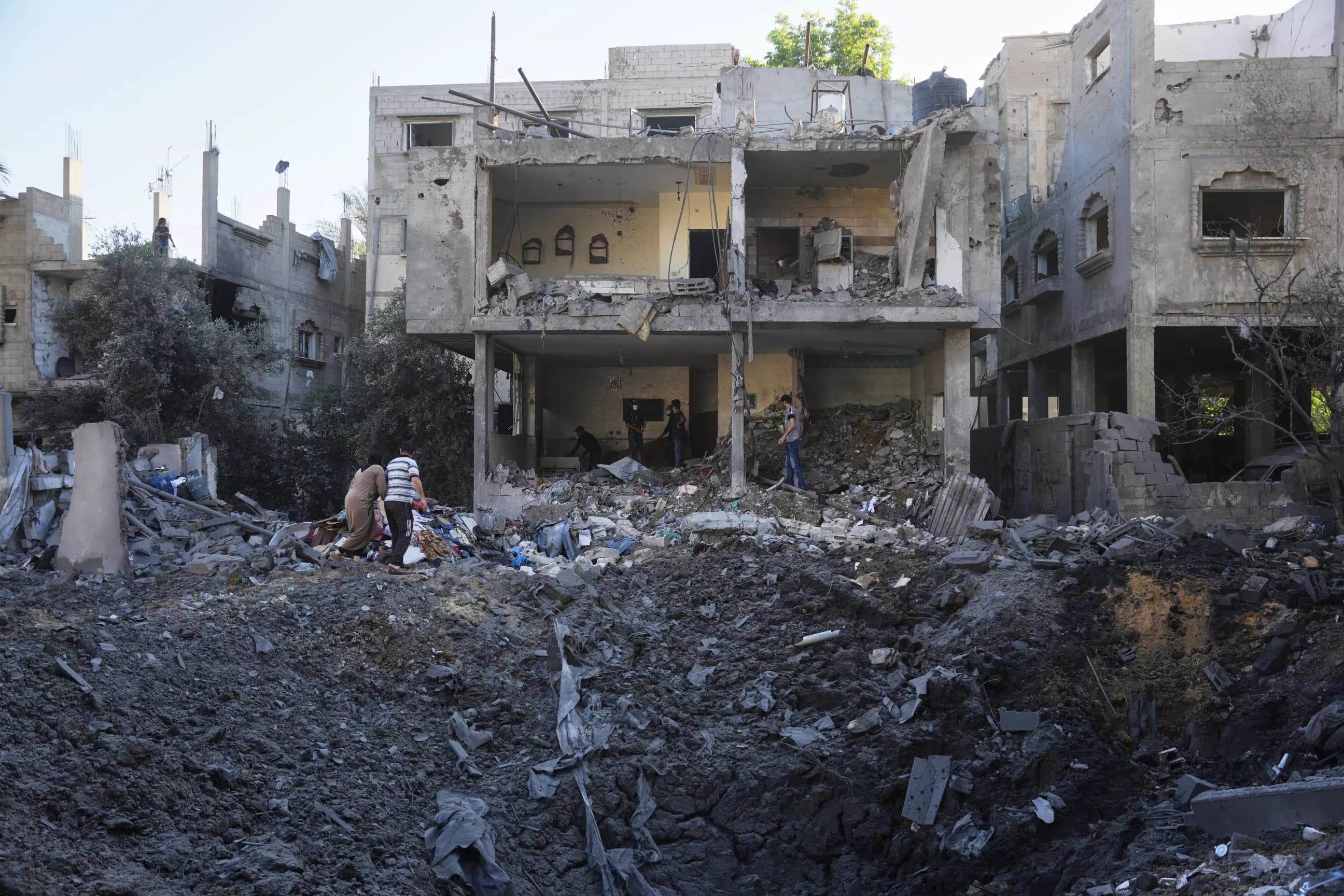
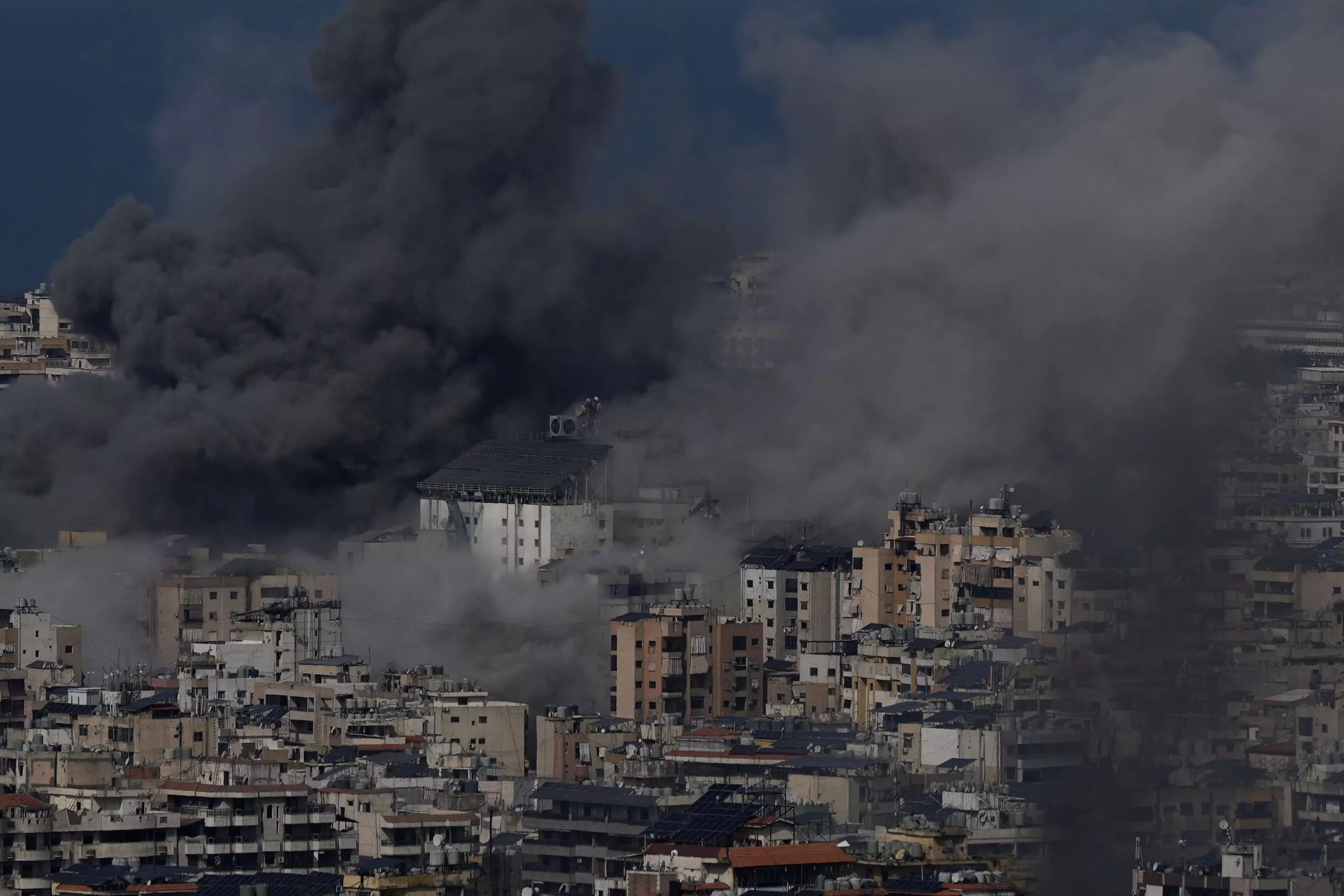
Escalating hostilities in Lebanon have cast a shadow over a fragile diplomatic effort, as fresh Israel strikes threaten to undermine the newly established truce between Iran and the United States. Following a series of overnight military operations across southern Lebanon, reports indicate a significant loss of life, with local authorities confirming at least 16 fatalities resulting from the ongoing Israeli aerial campaign.
Impact of Ongoing Hostilities on the Iran-US Truce
The latest surge in violence presents a direct challenge to the peace agreement finalized earlier this week. The pact, signed by U.S. President Donald Trump and French President Emmanuel Macron, explicitly calls for a complete cessation of military operations across all active fronts, including the intense conflict zones in Lebanon where Israel has been engaged in combat against the Iran-backed militant organization Hezbollah. The agreement was intended to ensure the sovereignty and territorial integrity of the Lebanese state.
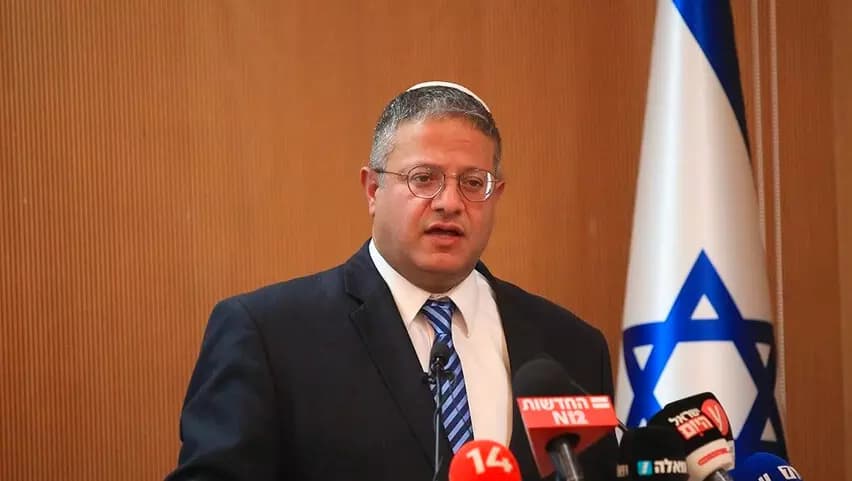
Despite these high-level diplomatic efforts, Israeli Prime Minister Benjamin Netanyahu has maintained a firm stance. Amid internal political pressures and upcoming elections, the Prime Minister stated that Israeli military assets will continue their operations in Lebanon until the perceived threat posed by Hezbollah is effectively neutralized. This persistence remains a critical point of friction for international mediators attempting to stabilize the region.
Diplomatic Delays and Regional Tensions
The instability on the ground has already begun to ripple through international diplomatic channels. Scheduled negotiations in Switzerland, aimed at securing a permanent resolution to the broader Iran conflict, have been postponed. While the White House cited logistical challenges as the primary reason for the delay, reports have surfaced suggesting that Iran delayed sending its delegation in direct protest of the continued Israeli strikes in Lebanon.
In the wake of the initial agreement, U.S. Vice President JD Vance issued a notable warning regarding the current state of international relations. While articulating the administration's position, Vance remarked that President Trump remains the only world leader currently demonstrating sympathy toward the nation of Israel. As the situation evolves, the international community remains concerned that the lack of adherence to the truce could lead to a broader regional escalation, further complicating the path toward a lasting peace between the involved powers.