Islamic New Year 1448 AH Begins with Solemn Muharram Observances in Hyderabad
The Islamic New Year, 1 Muharram 1448 AH, commenced on June 16 in Hyderabad. Observed as a sacred and solemn month rather than a time for celebration, it includes prayers, fasts, and processions honoring the martyrdom of Imam Hussain bin Ali at the Battle of Karbala.
Highlights
- •The Islamic New Year, 1 Muharram 1448 AH, officially commenced on June 16 in Hyderabad.
- •Muharram is recognized as one of the four sacred months in the Islamic lunar calendar, where conflict is traditionally forbidden.
- •The 10th of Muharram marks a significant period of mourning for Shia Muslims, commemorating the martyrdom of Imam Hussain bin Ali.
- •In Hyderabad, the observance involves solemn congregational prayers and traditional Ashura processions through historic areas like the Old City.
The Islamic New Year, marking the commencement of 1 Muharram 1448 AH, officially began on June 16 in Hyderabad. As the inaugural month of the Hijri lunar calendar, Muharram holds a position of profound religious significance within the Islamic faith. It is recognized as one of the four sacred months in the Islamic lunar cycle, characterized by deep reflection and spiritual observation.
Etymologically, the term Muharram conveys the meaning of being “forbidden” or “prohibited,” a reminder that during this sacred interval, engaging in conflict or warfare is traditionally restricted. For many, this time is dedicated to introspection, seeking divine forgiveness, and performing specific acts of devotion. According to Gulam Mohammed Irfan, a representative from the Sunni community, individuals often engage in voluntary fasting on the 9th and 10th, or the 10th and 11th days of the month as an expression of faith.
Understanding the Significance of Muharram Observances
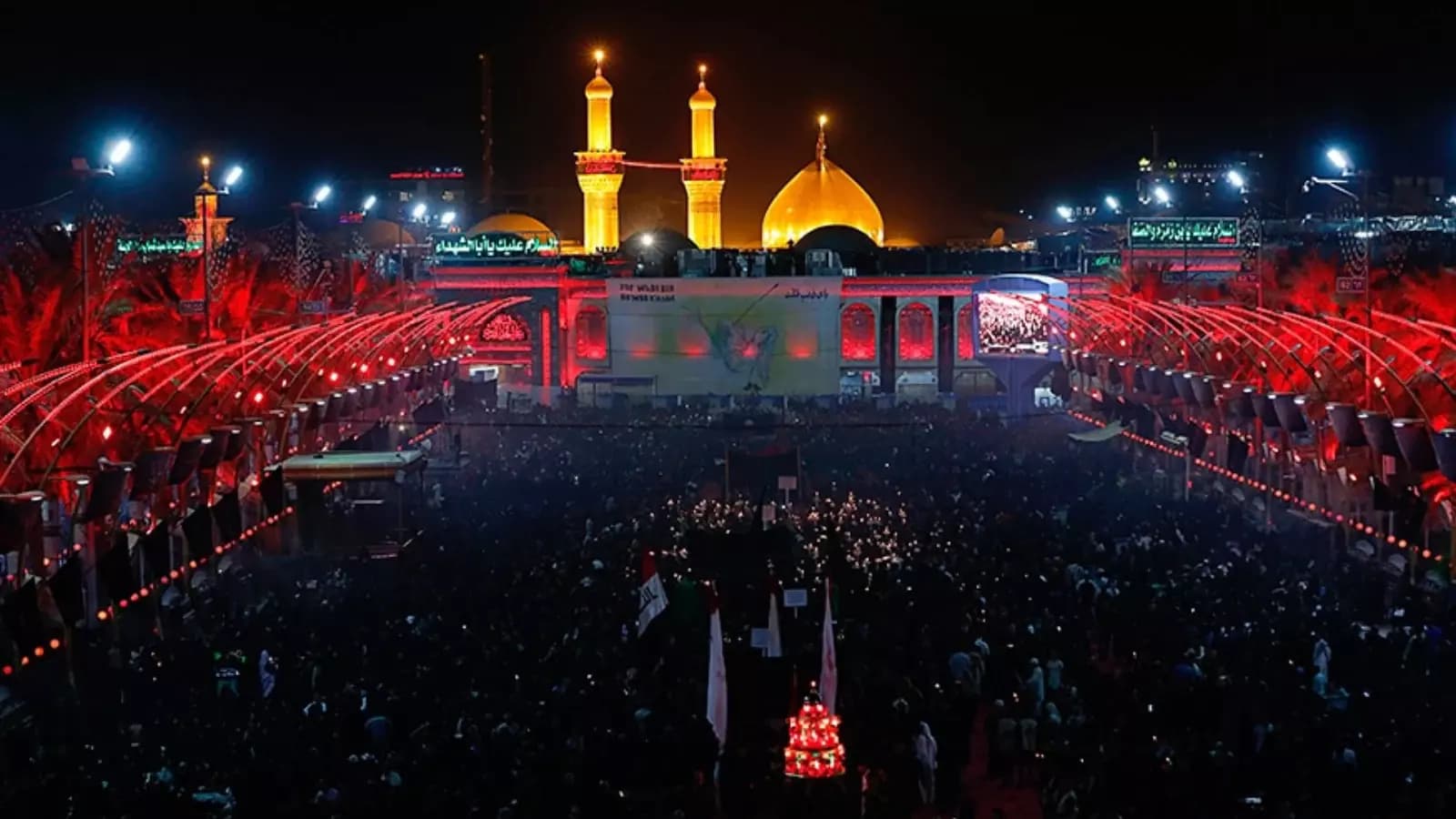
While the month marks the start of the new year, it is distinctively devoid of celebratory festivities. The atmosphere is one of solemnity, particularly for Shia Muslims, who observe the 10th day of Muharram—known as Ashura—as a primary period of mourning. This day commemorates the tragic Battle of Karbala and the martyrdom of Imam Hussain bin Ali, the grandson of the Prophet.
Scholar Junaid Quadri elaborated on the nature of these observances, noting that in regions like Hyderabad, the community engages in congregational prayers that extend throughout the month and beyond, continuing for a period of 68 days. These gatherings serve as a way to honor the legacy of the martyrs. The city is known for hosting large-scale, traditional mourning processions, or Ashura processions, which traverse historic corridors, including the Old City.
The emotional weight of the month is further emphasized by the participants who observe these rites. Ali Raza, a member of the Shia community, explained that the 10th of Muharram is the pinnacle of this mourning period. On this solemn occasion, the faithful often dress in black as a gesture of grief and participate in communal prayer sessions. Throughout the city, community members facilitate the distribution of free water to the public, a symbolic act intended to honor the thirst endured by the martyrs at Karbala. The observance remains a steadfast tradition, prioritizing remembrance and religious devotion over any form of public celebration.