Iranian Delegation Exits Talks Following Donald Trump Threats
The Iranian delegation walked out of Swiss talks following threats from Donald Trump regarding Iran's support for regional proxies. The negotiations seek to resolve the Middle East conflict, but significant sticking points remain, including regional security concerns and the ongoing situation in Lebanon.

Highlights
- •The Iranian delegation temporarily left the talks in Switzerland following warnings from Donald Trump.
- •Negotiations focus on stabilizing Lebanon and addressing long-term US-Iranian diplomatic challenges.
- •Israel vows to keep troops in southern Lebanon and prevent Iran from acquiring nuclear weapons.
- •Strait of Hormuz closure and regional proxy support remain major obstacles to a final agreement.
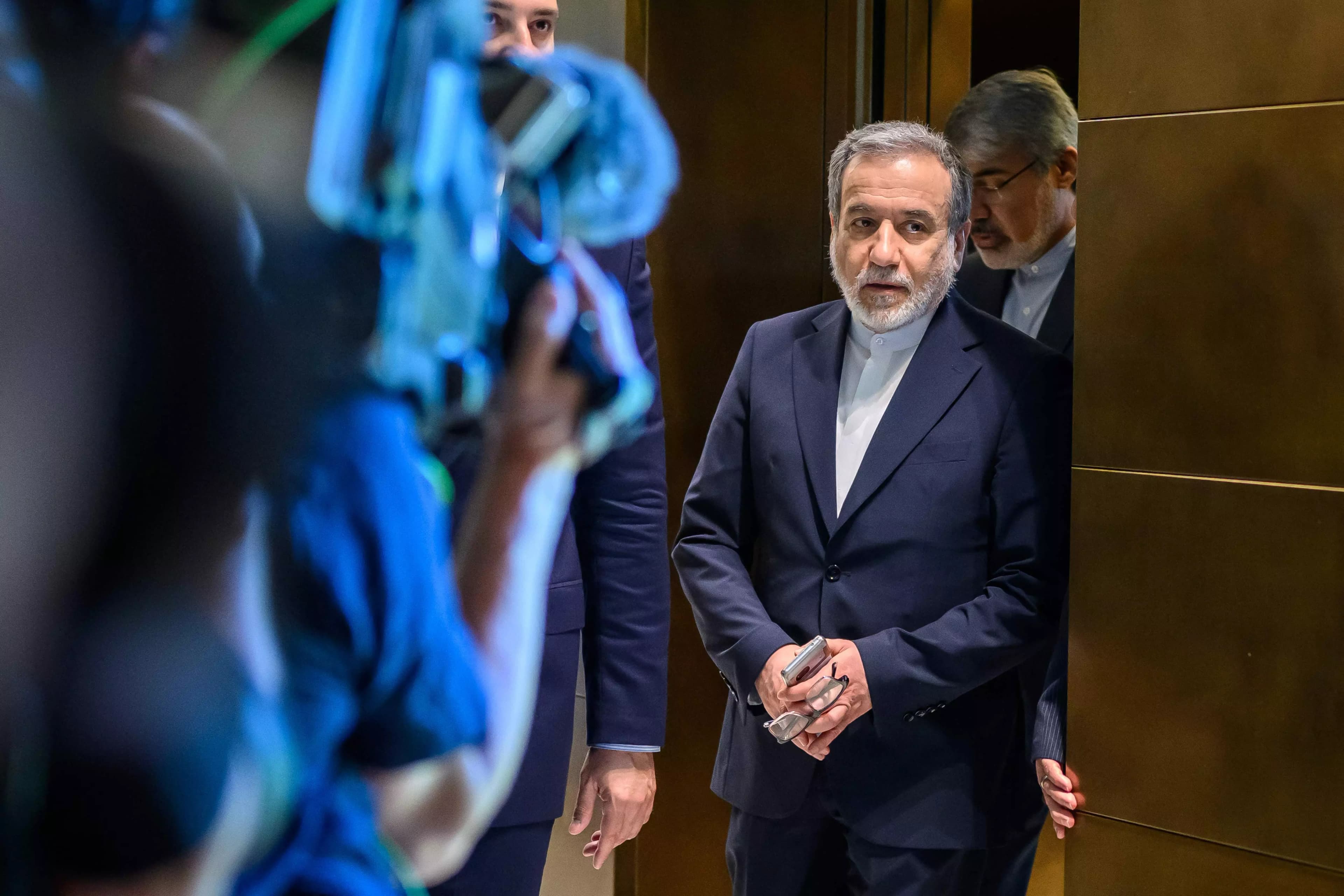
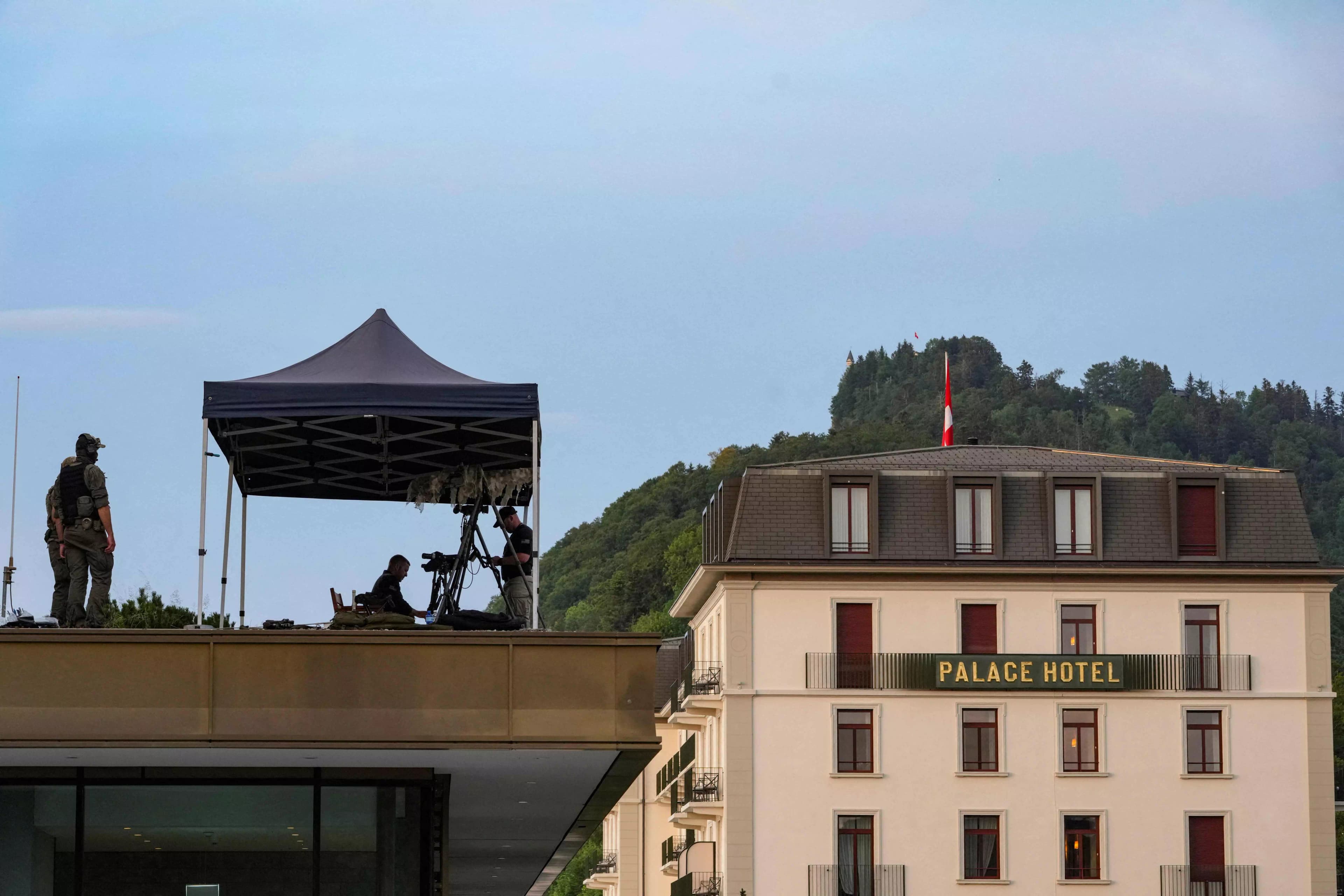
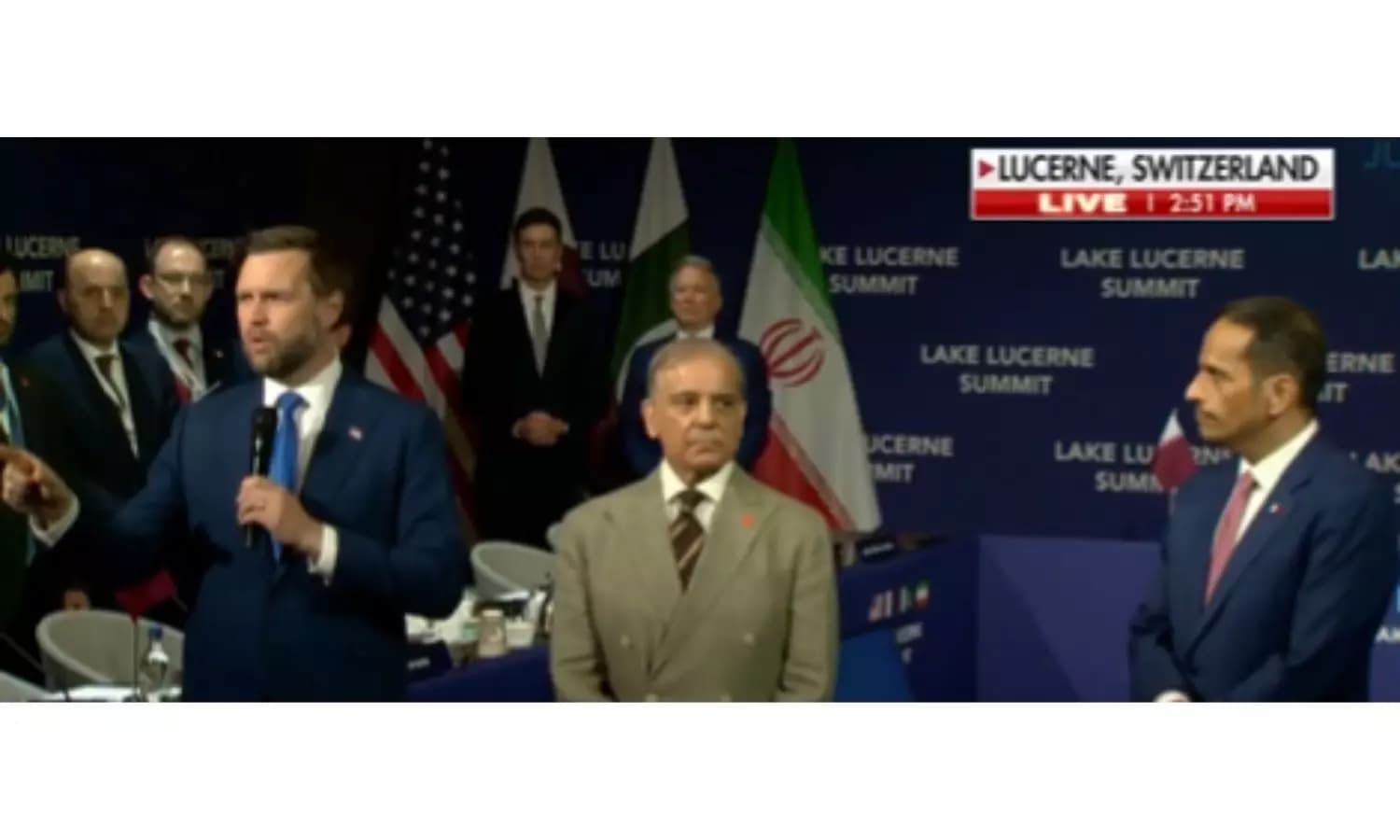
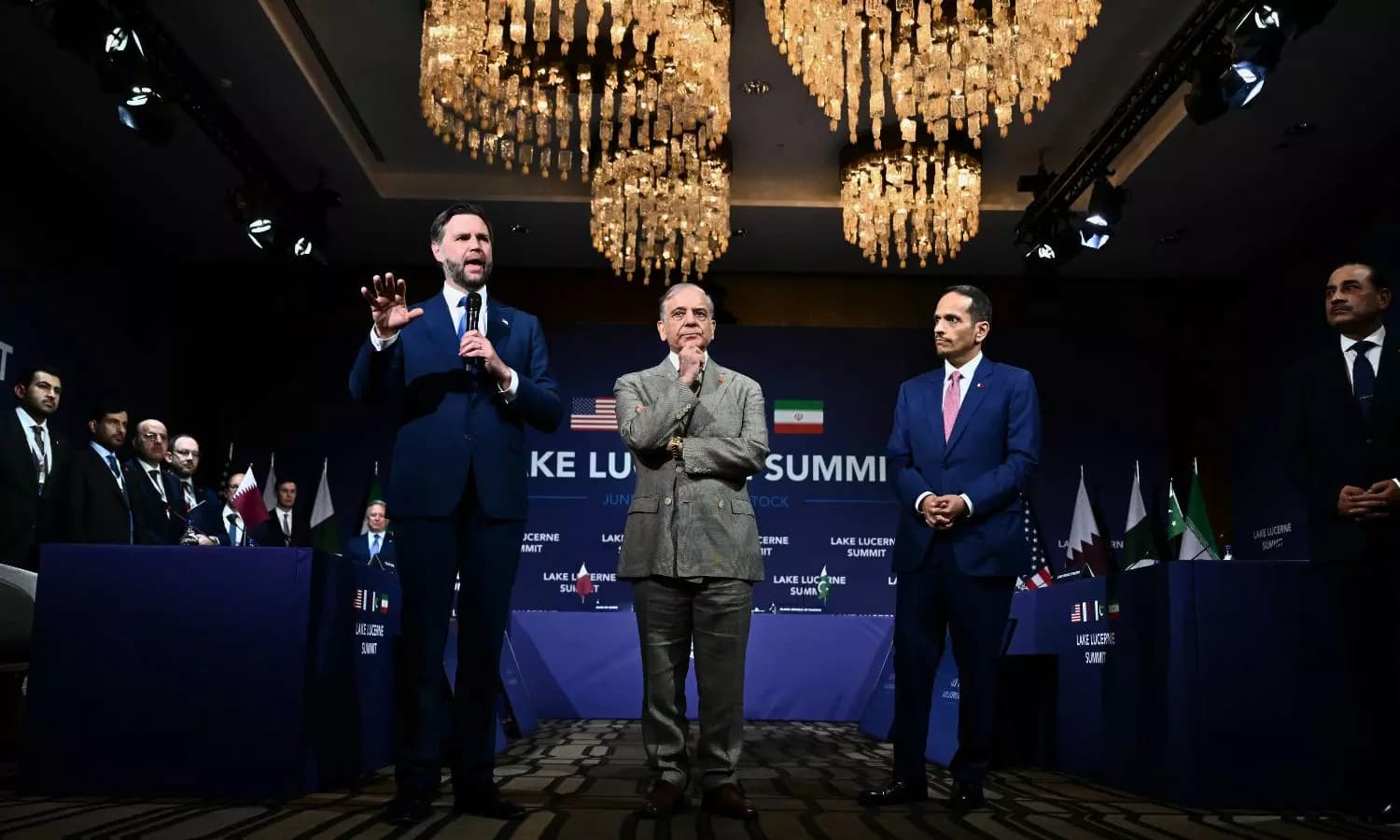
The Iranian delegation departed from the Swiss venue hosting high-stakes negotiations with the United States on Sunday. The move came as a direct reaction to threats issued by Donald Trump regarding Iran and its support for Hezbollah. These ongoing discussions aim to reach a permanent resolution to the conflict in the Middle East, potentially triggering a 60-day window to address broader diplomatic challenges that have strained US-Iranian relations for decades.
Rising Tensions and Diplomatic Stalemate
The atmosphere surrounding the Burgenstock negotiations has been increasingly volatile, marked by a series of threats exchanged between Washington and Tehran. While the state news agency IRNA reported that the Iranian team left the building following a meeting with the Qatari mediators, other diplomatic sources suggested that the delegation remains engaged in the process. Donald Trump had publicly urged Iran to cease support for its proxies in Lebanon, prompting Iranian chief negotiator Mohammad Bagher Ghalibaf to issue a stern warning, emphasizing that Iran's armed forces are prepared to respond to such rhetoric.
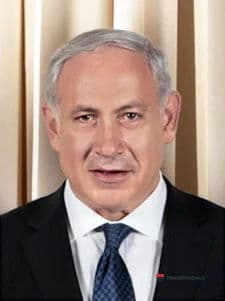
Israeli Prime Minister Benjamin Netanyahu asserted that military forces would maintain their presence in southern Lebanon as long as necessary, while also vowing to prevent Iran from developing nuclear weapons. Despite these tensions, Iranian state media indicated that the nuclear program was not a focal point during the initial 80-minute round of talks, which instead prioritized the implementation of a memorandum of understanding and the stabilizing of the situation in Lebanon.
Global Impact of the Negotiations
The US-Iranian negotiations are unfolding against a backdrop of significant geopolitical instability. Iran recently closed the strategic Strait of Hormuz in response to Israeli attacks, though some stability has been noted as fighting in southern Lebanon has seen a lull, with residents beginning to return home. US Vice President JD Vance, accompanied by negotiators Jared Kushner and Steve Witkoff, had initially described the meeting as a historic opportunity to reshape Middle Eastern relations permanently.
However, major sticking points remain unresolved, including Iran's long-standing support for various armed groups in the region. Furthermore, Iranian President Masoud Pezeshkian recently reiterated that Tehran would not relinquish its rights to enrich uranium, despite providing assurances that the nation has no intentions of constructing a bomb. As the conflict in Lebanon continues to claim lives, with the death toll reportedly exceeding 4,100, both Israel and Iran remain committed to their respective strategic objectives, leaving the future of the Middle East peace talks uncertain.