How Donald Trump Has Fundamentally Reshaped the Landscape of International Diplomacy
The memorandum of understanding between the U.S. and Iran tests Donald Trump’s unique approach to international diplomacy. By bypassing traditional institutions in favor of personal envoys and transactional power, the administration has fundamentally altered how global negotiations are conducted in the modern era.
Highlights
- •The U.S.-Iran memorandum of understanding highlights a shift in traditional diplomatic norms under the Trump administration.
- •Trump’s diplomatic model emphasizes personal envoys, transactional power, and bypassing established international institutions.
- •The Iran conflict challenged the effectiveness of U.S. force and sanctions, forcing reliance on third-party mediators like Pakistan and Qatar.
- •Global leaders are adapting to the new U.S. approach by hiring specialized lobbyists to engage directly with Trump’s inner circle.
The recent memorandum of understanding signed between the United States and the Islamic Republic of Iran on June 17 marks a significant moment in modern international relations. This agreement serves as a critical test for Donald Trump’s unconventional approach to diplomacy. Evaluating this deal reveals how the administration has fundamentally reshaped the landscape of global statecraft during his second presidency.
Transforming International Diplomacy
Since the beginning of his second term in January 2025, Donald Trump has championed an “America First” agenda, aiming to avoid protracted conflicts while seeking direct national benefits. By late 2025, the administration claimed to have resolved eight major global conflicts. This strategy, as noted by deputy chief of staff Stephen Miller, often prioritizes raw power and force over traditional diplomatic norms. However, the conflict with Iran suggests that this approach faces complex realities that do not always yield to U.S. pressure.
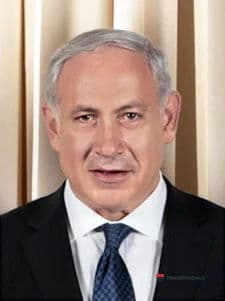
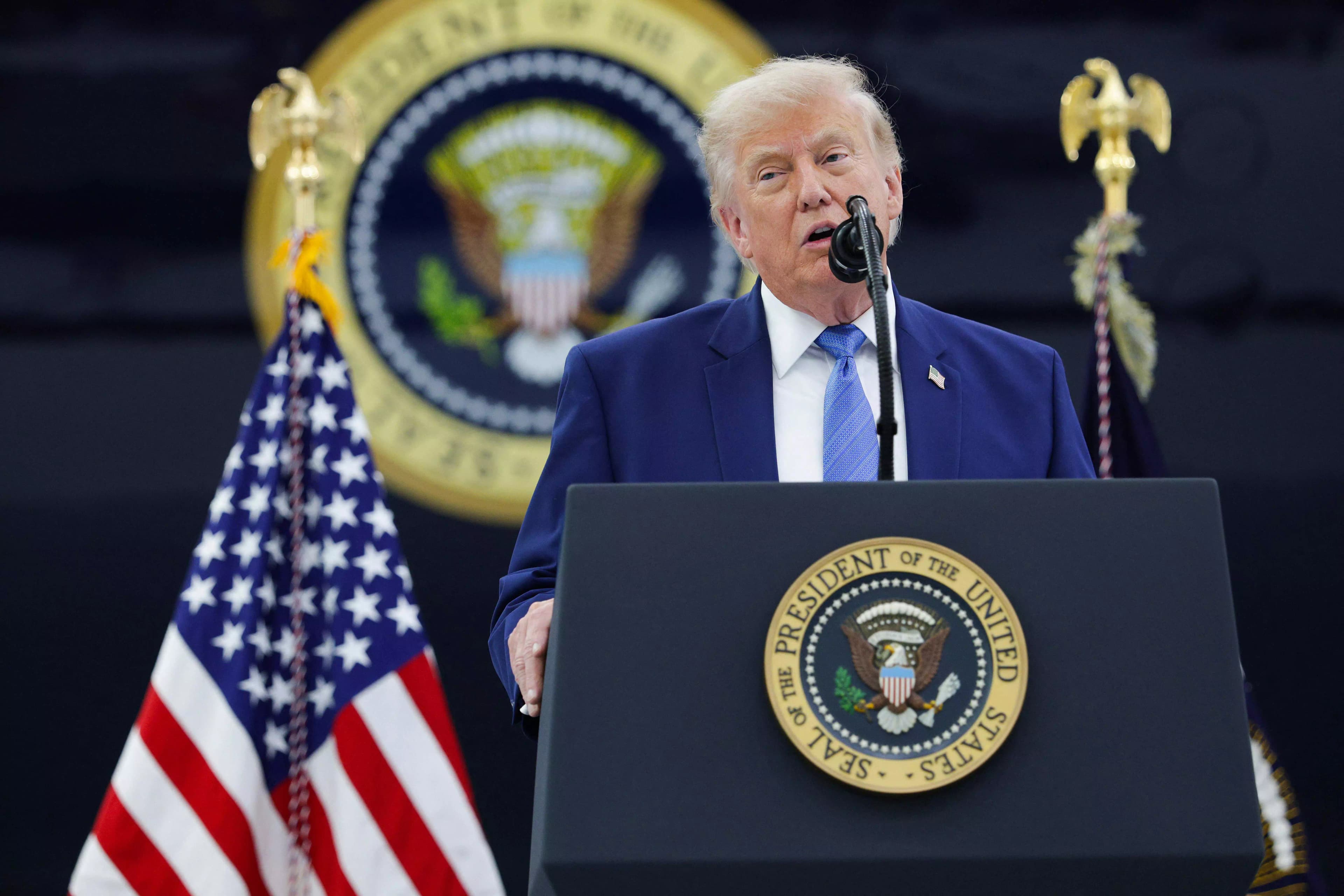
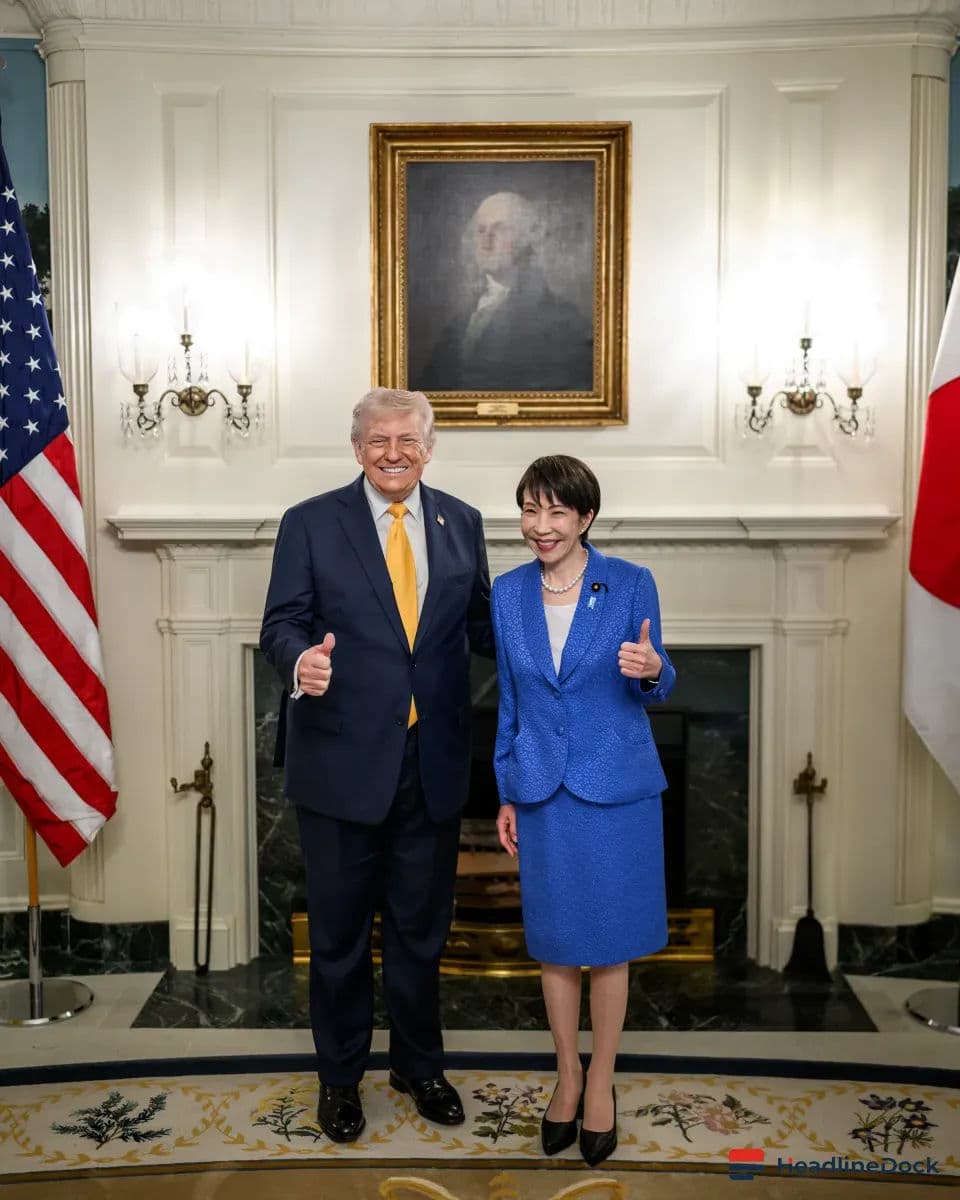
Donald Trump’s model of international diplomacy is defined by several core characteristics. Firstly, he largely bypasses established institutions like the State Department and the United Nations. Instead of utilizing professional diplomats, he relies on a small circle of personal envoys, such as Jared Kushner, Steve Witkoff, and Massad Boulos. Secondly, his negotiation style is deeply personal, focusing on direct, one-on-one engagement with a select group of world leaders, including Vladimir Putin, Xi Jinping, and Benjamin Netanyahu.
The Challenges of Transactional Power
Furthermore, Donald Trump relies heavily on economic and military strength to secure deals, often abandoning traditional appeals to democratic values or the rule of law. His public messaging via TruthSocial frequently replaces confidential, back-channel negotiations. This strategy allows him to dominate media cycles, yet the Iran conflict demonstrates that such tactics can falter when agreements prove hollow. Unlike the traditional pursuit of “strategic patience,” Trump prioritizes immediate results and public declarations of victory.
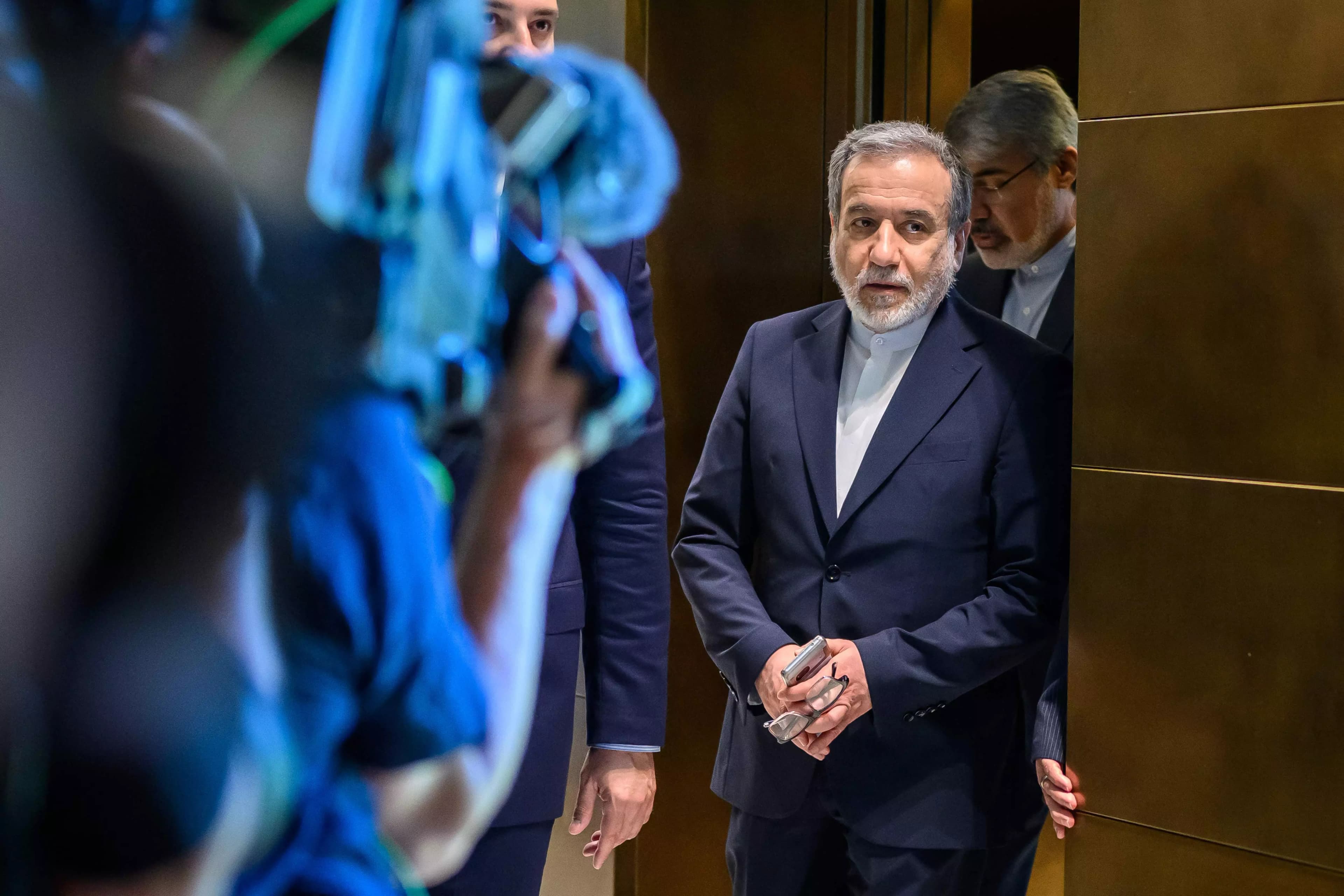
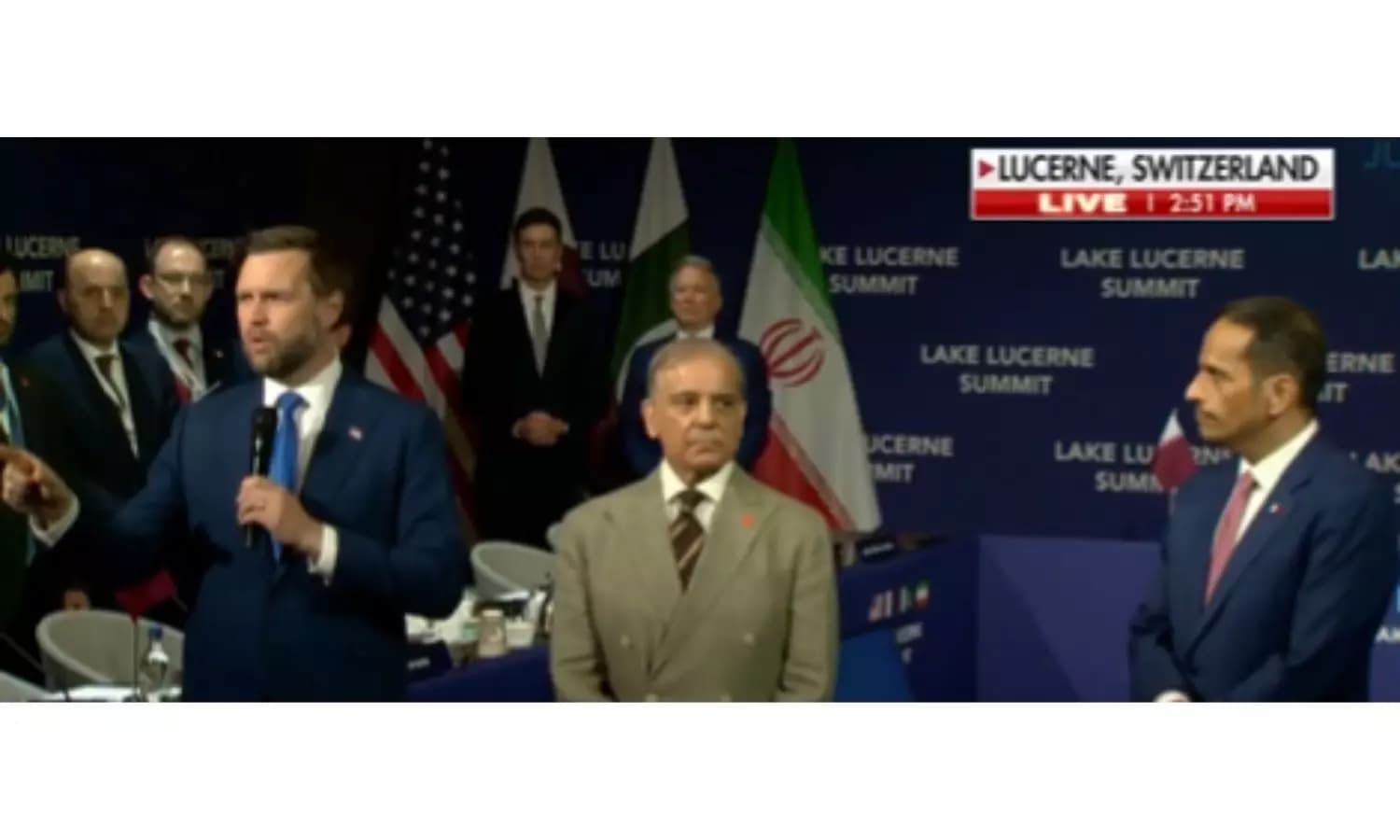
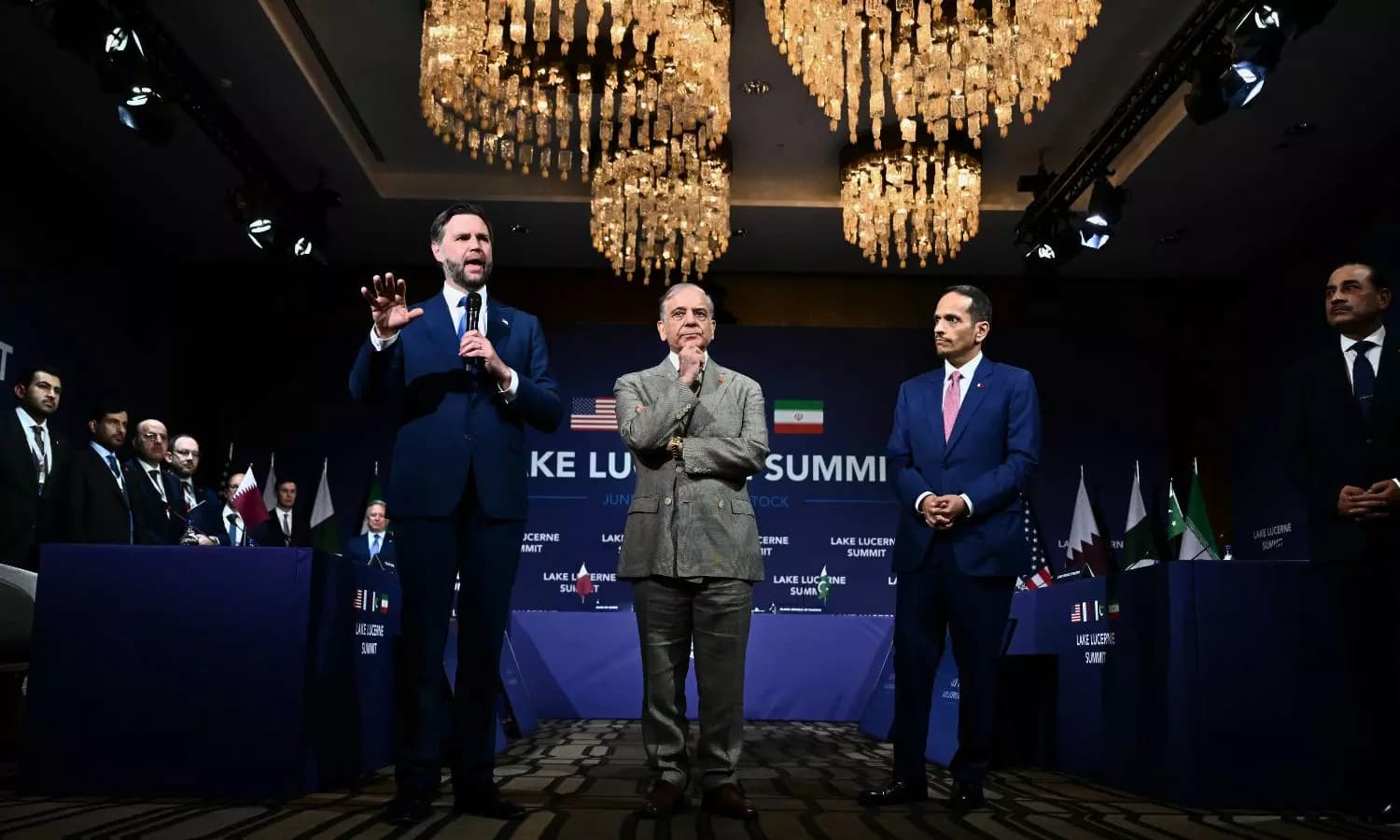
The Iran situation has particularly exposed the limitations of this model. Despite intense economic sanctions and military action against Iranian nuclear facilities, the leadership in Tehran refused to concede. By closing the Strait of Hormuz and challenging the U.S. presence, the Iranian government forced a change in tactics. Consequently, the administration had to rely on third-party mediators like Pakistan and Qatar to facilitate progress. As the global community adjusts to this new reality, countries are increasingly employing specialized lobbyists to navigate the unique preferences of the current U.S. administration. While Trump remains committed to his transactional style, the complexities of the Iran conflict underscore the continuing need for nuanced, multi-layered diplomatic engagement in an interconnected world.