Iran Vows Crushing Response as Regional Tensions Escalate in the Middle East
Tensions have soared after Iran vowed a crushing response to perceived aggression, leading to military strikes against US assets in Kuwait and Bahrain. Iran has also announced stricter control over the Strait of Hormuz, while the US issued stern warnings.
Highlights
- •Iran vows a crushing response to any new aggression following recent regional escalations.
- •Tehran declares stricter control over maritime traffic within the vital Strait of Hormuz.
- •US military sites in Kuwait and Bahrain were targeted by Iranian missiles and drones.
- •President Trump warned that continued ceasefire violations could have severe consequences for Iran.
Tensions in the Middle East have escalated significantly following threats of a crushing response from Iran regarding new acts of aggression. The situation in the region remains volatile as military officials warn that any violation of the existing ceasefire will lead to severe consequences for those involved.
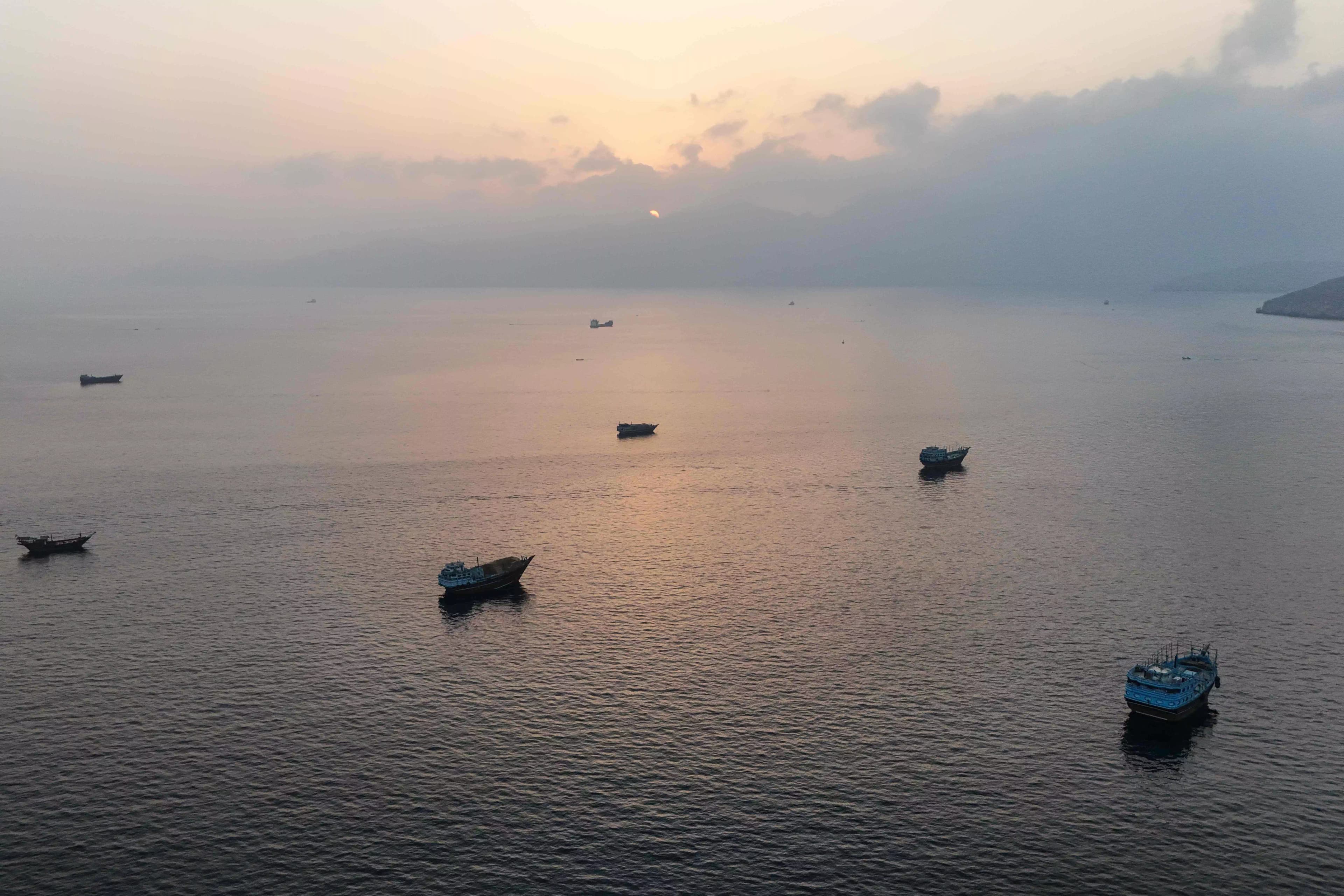
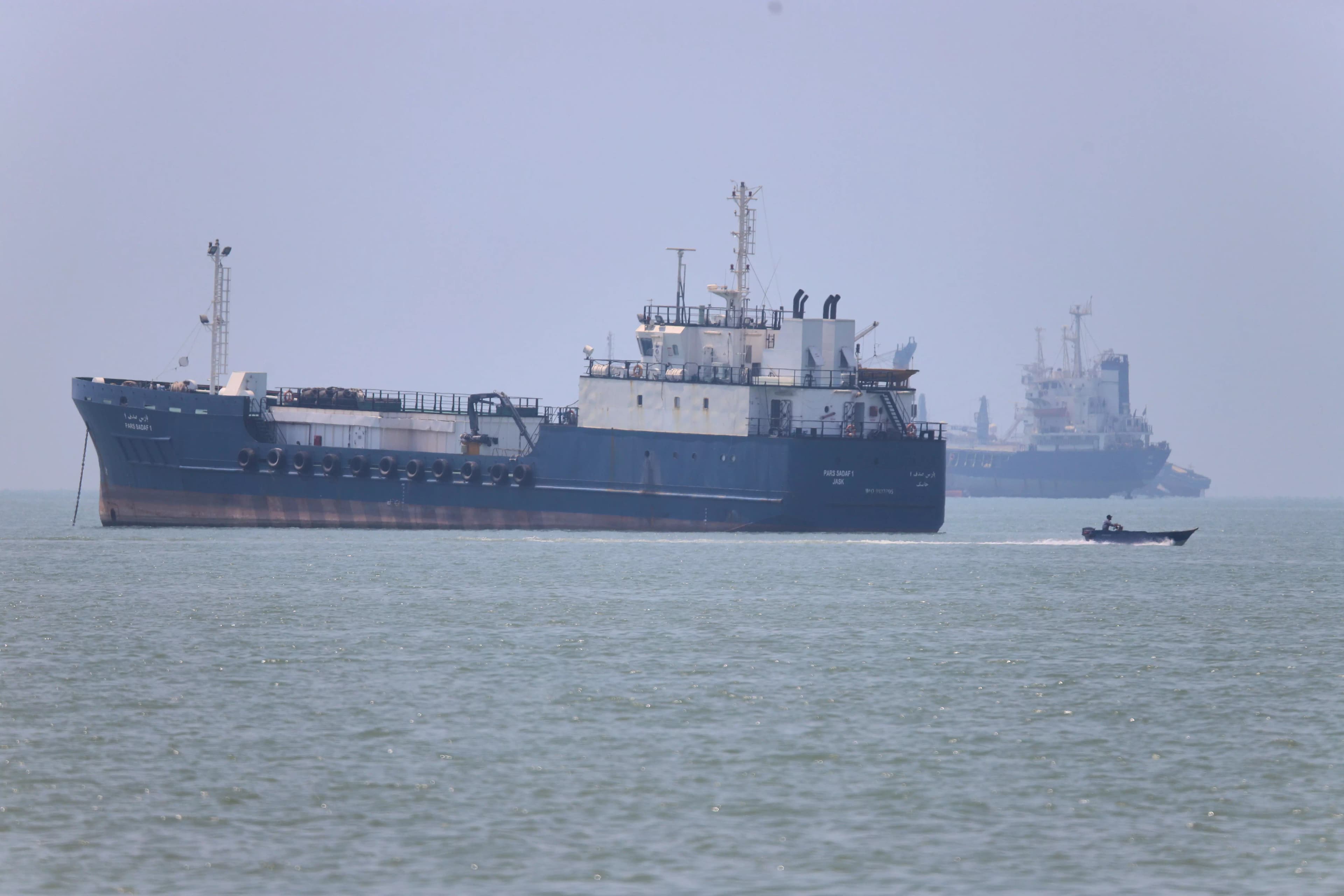
Ibrahim al-Fiqar, the official military spokesperson for Iran's Khatam al-Anbiya Central Headquarters, which coordinates the Islamic Revolutionary Guard Corps (IRGC) and the regular army, issued a stern warning through social media. He stated that any further aggression, regardless of the scale or pretext, would be met with immediate and decisive force. Central to these concerns is the Strait of Hormuz, where Iran has declared it will now strictly regulate maritime traffic. Fiqar noted that vessels violating these protocols would face much firmer handling than in the past.
Escalating Tensions and Military Action
The latest flare-up follows reports of an attack by United States forces on five Iranian coastal sites. According to officials, the US claimed this action was necessary to intercept a violating vessel, while Tehran characterized it as a breach of the ceasefire agreement. In a retaliatory measure, Iran reported conducting a joint operation utilizing missiles and drones against eight US military sites, specifically targeting the Ali Al Salem Air Base in Kuwait and the Fifth Fleet infrastructure in Bahrain.
The impact of this exchange has been felt across the region. Local reports from Kuwait indicate that the army is currently engaged in defending against hostile drone and missile strikes. Meanwhile, Bahrain's Ministry of Interior confirmed the activation of alarm sirens, signaling an increased security state.
United States President Donald Trump addressed the situation by confirming that American aircraft successfully struck Iranian missile and drone storage facilities, as well as coastal radar sites. These strikes were framed as a necessary reaction to what the US administration labeled as repeated violations of the established ceasefire. In a public message, President Trump issued a stark warning, suggesting that if these provocations persist, the United States might be forced to escalate military measures significantly. He cautioned that continued disregard for the agreement could threaten the existence of the Islamic Republic of Iran.
The international community is closely monitoring these developments as the situation in the Strait of Hormuz remains critical. The potential for a wider conflict has prompted concerns about the stability of regional infrastructure and the safety of maritime transit routes that are vital to global interests. Both Tehran and Washington appear to be locked in a tense standoff, with future peace dependent on adherence to previously established understandings.