Iran Ties Middle East Peace Deal to Israeli Withdrawal from Lebanon
Iran has stated that a peace agreement to end hostilities with the US must include an Israeli withdrawal from Lebanon. Despite US mediation, Israel's refusal to abandon its buffer zone and questions over Iran's nuclear commitments continue to threaten the deal's stability.
Highlights
- •Iran demands total Israeli withdrawal from Lebanon as a condition for the peace agreement.
- •Israel maintains its right to occupy a buffer zone in Lebanon for national security.
- •The agreement includes the opening of the Strait of Hormuz and 60 days of nuclear negotiations.
- •G7 leaders are prioritizing the deal to stabilize the region and restore maritime traffic.
The path toward a definitive Middle East peace deal remains fraught with complexity as Iran insists that any formal agreement ending the conflict with the United States must necessitate the withdrawal of Israeli forces from Lebanon. With Israel maintaining that it will continue to station troops in the region as required, significant ambiguity persists regarding the terms of the pending arrangement, raising concerns that unresolved disagreements could potentially prolong the regional instability.
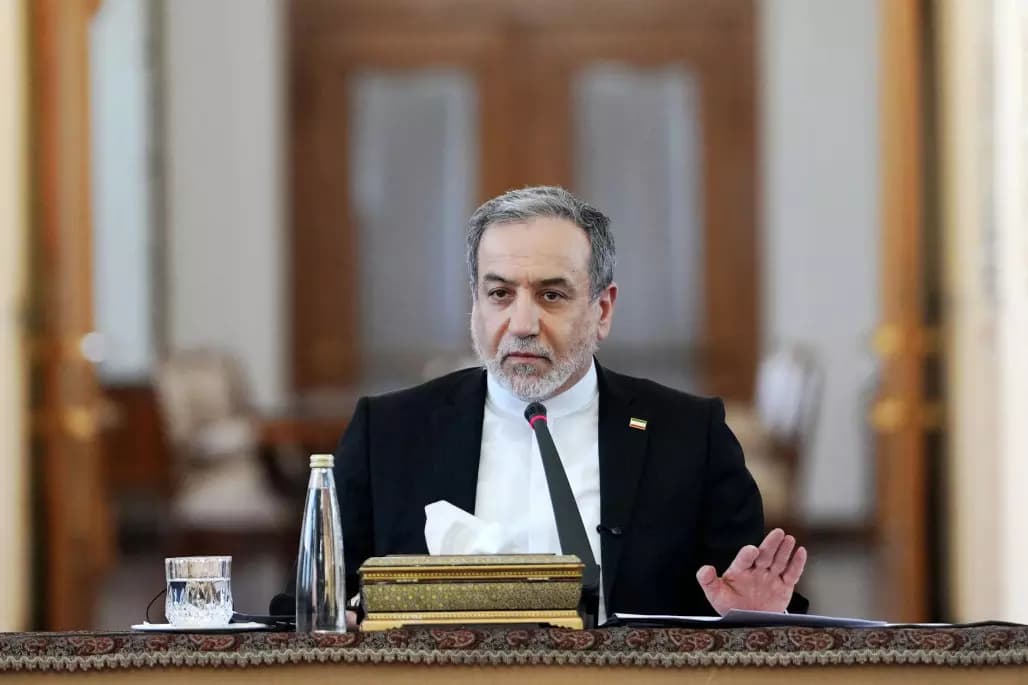
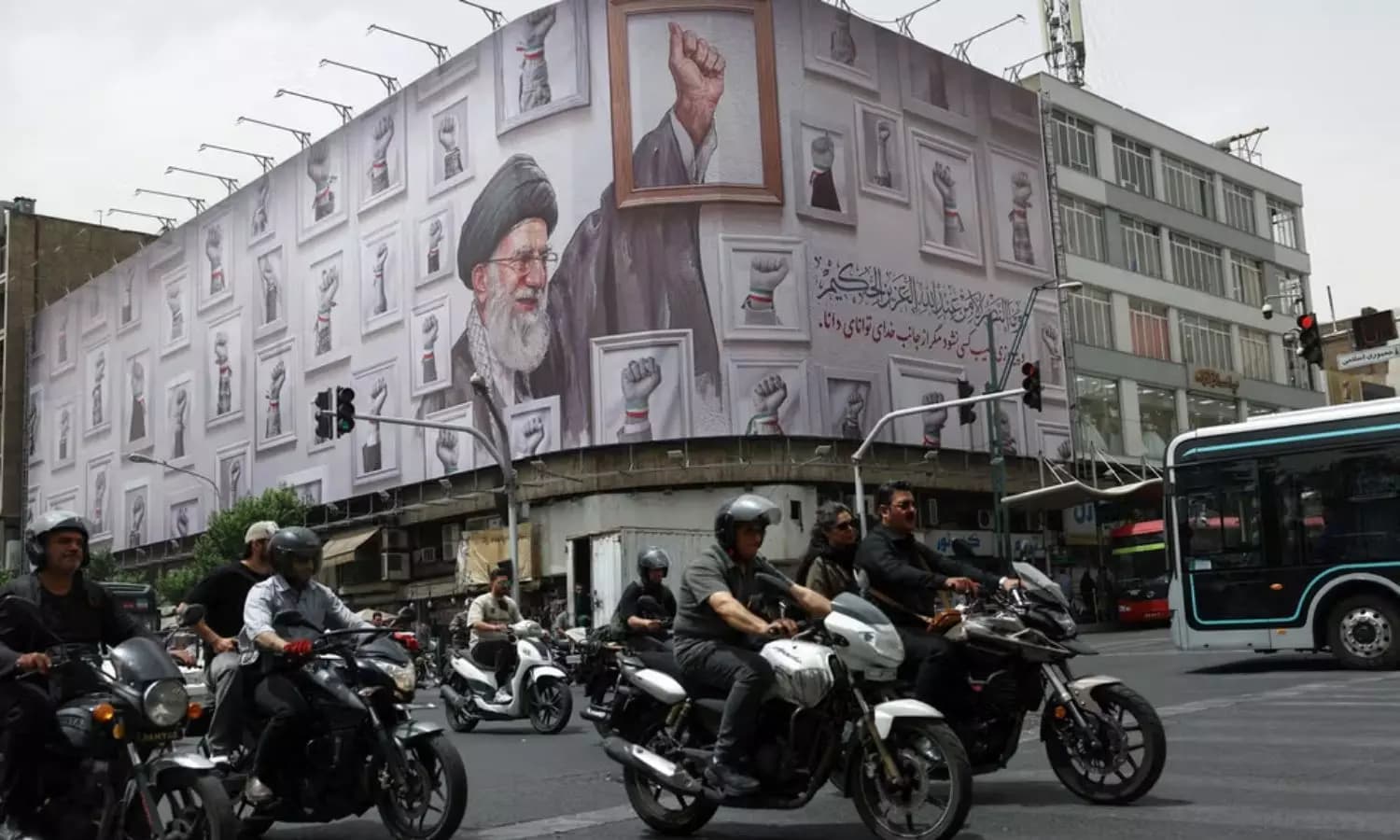
Foreign Minister Abbas Araghchi recently emphasized to international diplomats in Tehran that the ongoing occupation of southern Lebanon by Israeli military units would constitute a direct breach of the memorandum of understanding established between the United States and Iran. According to Araghchi, the conflict cannot be considered concluded until Israeli forces vacate the territories seized during the current hostilities, which were initiated by joint U.S.-Israeli airstrikes on February 28.
Challenges Facing the Middle East Peace Deal
The situation is further complicated by the fact that Israel is not a formal party to this agreement. Prime Minister Benjamin Netanyahu has characterized the move as a decision driven by President Donald Trump, asserting that Israel will prioritize its own national security and maintain a buffer zone in Lebanon as long as it deems necessary. This divergence in objectives echoes previous diplomatic efforts, including the temporary April ceasefire, which failed to foster broader regional stability or ensure the secure reopening of the Strait of Hormuz.
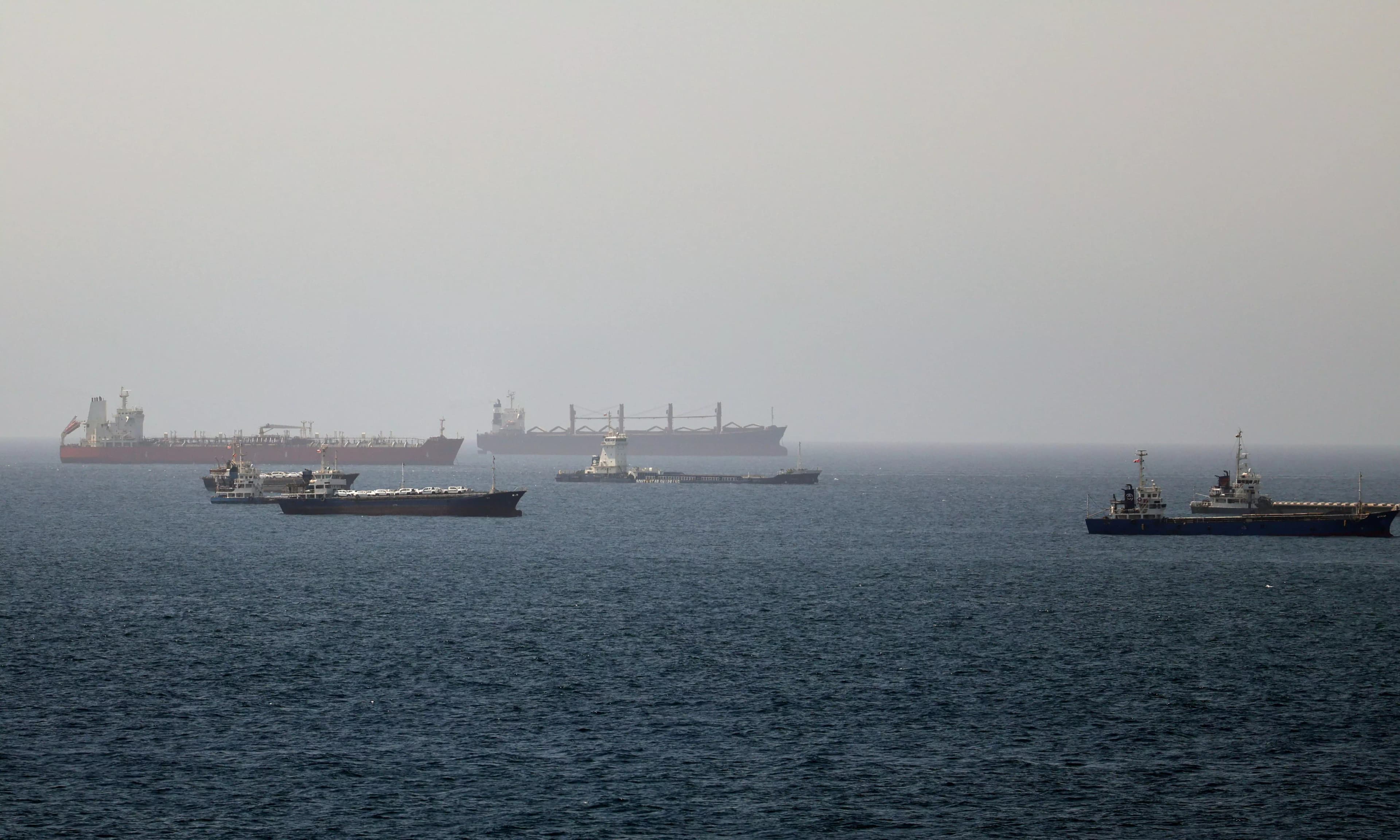
The unpublished agreement is intended to serve as a comprehensive truce following months of intense fighting that has resulted in thousands of casualties and caused a severe spike in global fuel and food prices. Drafted primarily with the mediation of Pakistan, the accord outlines the simultaneous lifting of the Strait of Hormuz blockade and the U.S. blockade of Iranian ports. Furthermore, it initiates a 60-day window for negotiations regarding Iran’s nuclear program and potential sanctions relief.
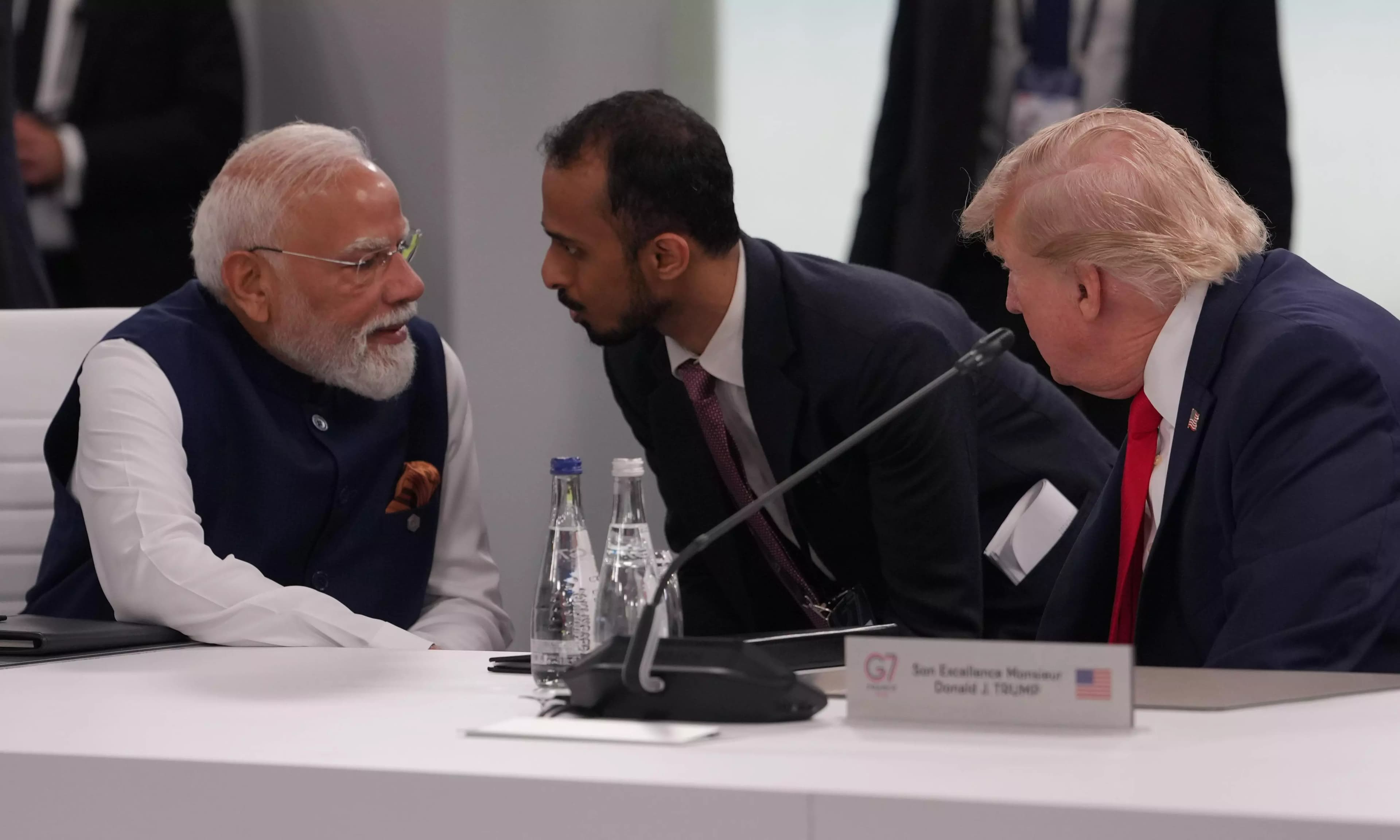
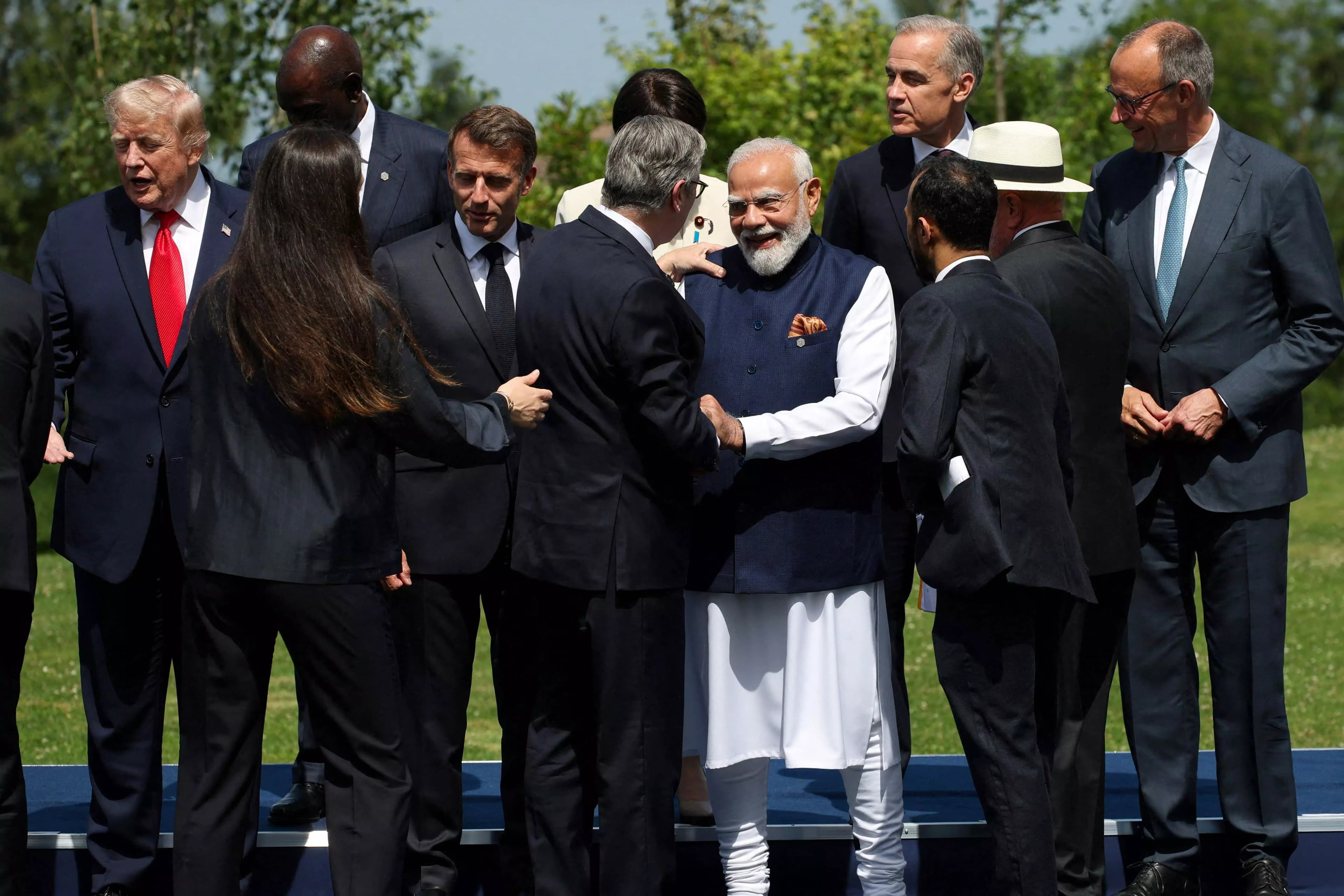
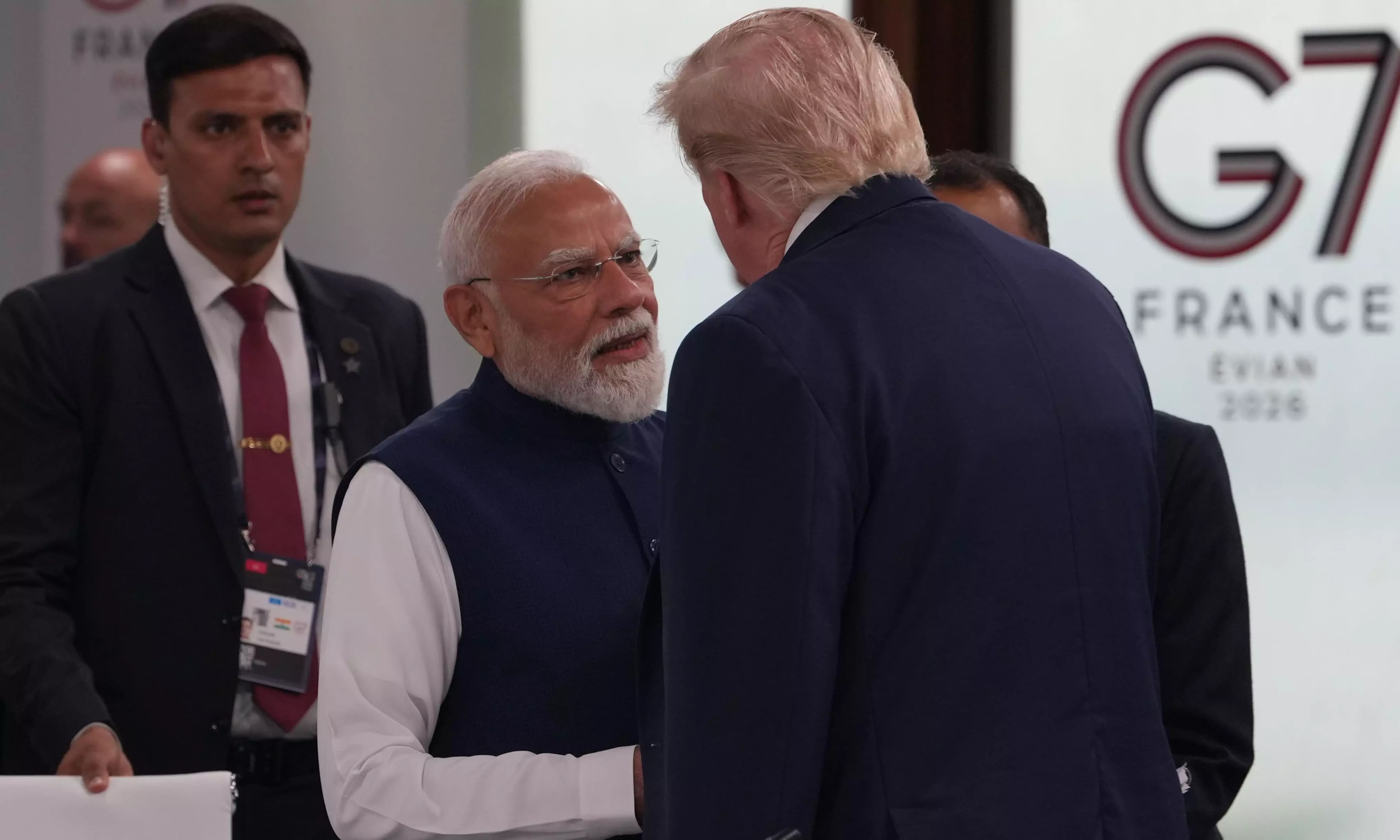
As international leaders gather at the Group of Seven (G7) summit in France, the Middle East peace deal has emerged as a primary focus of discussion. While President Trump has recently noted that the United States holds no obligation to invest in Iran following the agreement, he underscored that the core priority remains preventing Iran from acquiring a nuclear weapon. Global powers, including France, Germany, and the United Kingdom, continue to push for the swift implementation of the deal to restore stability to vital maritime corridors.