France-UK Mission Prepares to Reopen Vital Strait of Hormuz Shipping Lane
A coalition led by France and Britain is readying a naval mission to clear mines and escort vessels through the Strait of Hormuz, aiming to resume global oil transit following a tentative US-Iran agreement to de-escalate the Middle East conflict.
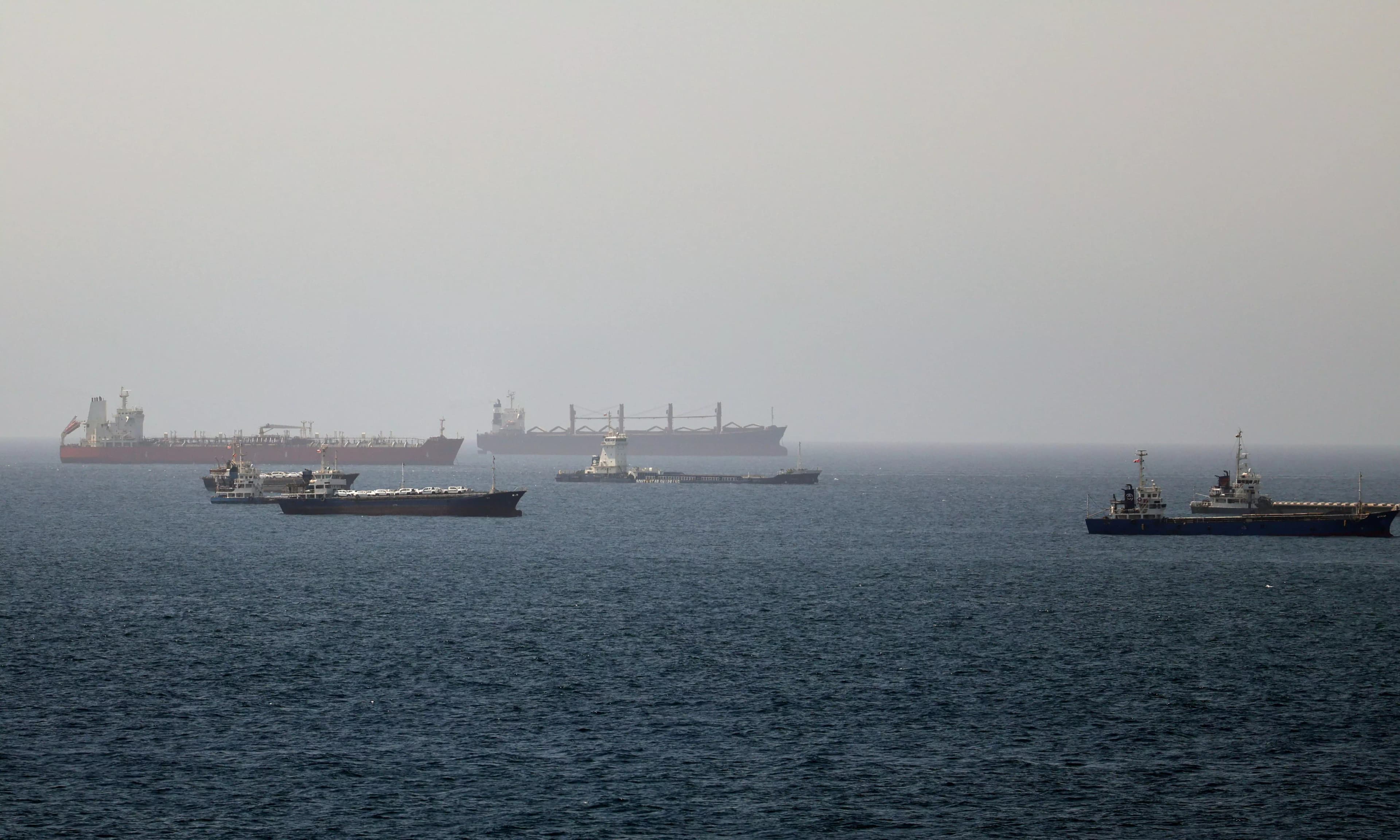
A joint military initiative spearheaded by France and Britain is currently prepared for deployment to facilitate the reopening of the Strait of Hormuz. This development follows the announcement of a deal between the United States and Iran, aimed at concluding the ongoing conflict in the Middle East.
Coalition Resources and Strategic Goals
Since March, France and Britain have been working to establish a coalition to restore shipping traffic through the critical waterway, which typically handles roughly 20 percent of the world's oil supply. According to French President Emmanuel Macron, approximately 20 nations have made tangible contributions to the effort, with four already maintaining a presence in the region.
France has allocated significant resources, notably positioning the nuclear-powered aircraft carrier Charles de Gaulle near the Arabian Peninsula since mid-May. Defense Minister Catherine Vautrin confirmed that two minehunter vessels are also available for immediate deployment. Britain has committed a destroyer, while Italy and Germany have contributed mine-clearing assets to support the operation as the security situation permits.
The primary objective of this mission, as noted by international risk specialist Stephane Audrand, is to instill confidence among maritime stakeholders. By demonstrating the capability to clear sea mines and secure the Strait of Hormuz, the coalition aims to encourage commercial vessels to resume transit through the Gulf. This involves a complex logistical operation, potentially including the escort of approximately 2,000 tankers and cargo ships currently stalled in the region.
Navigating Uncertainty and Security Risks
Despite the recent memorandum of understanding, which calls for the Strait of Hormuz to reopen within 30 days, industry experts remain cautious. Maritime security analyst Elisabeth Braw highlighted that this agreement is not a permanent peace treaty, leaving ship owners wary of the long-term outlook. There is also concern regarding Iran's potential strategy; observers suggest the country might limit mine-clearing efforts to retain leverage over international shipping routes.
Professional shipping bodies, including BIMCO, have stated that current information is insufficient to guarantee safe passage. Chief security officer Jakob Larsen noted that shipping associations still view transits through the area as high-risk. As the 60-day extension period begins, the effectiveness of the France-UK mission will largely depend on its ability to provide credible security assurances in an environment defined by lingering instability and complex geopolitical maneuvering.
,curated_key_highlights:[