India-US Accelerate Trade Deal Talks Before July Deadline
India and the United States are in final-lap negotiations to conclude an interim bilateral trade agreement by July 24. The talks, involving senior officials, seek to resolve tariff uncertainties and bolster economic cooperation, marking a significant step in the nations' strengthening commercial relationship.
Highlights
- •India and the US are accelerating negotiations to finalize an interim trade pact by July 24.
- •The talks aim to recalibrate an earlier framework following recent US tariff policy changes.
- •Leaders from both nations are focusing on securing preferential treatment and expanding bilateral economic opportunities.
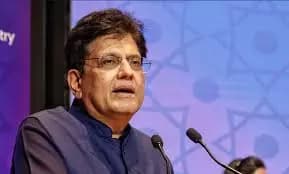
- •Discussions involve high-level officials, including Commerce Minister Piyush Goyal and US Trade Representative Jamieson Greer.
India and the United States are currently intensifying efforts to finalize the first phase of a pivotal bilateral trade agreement. This urgent push comes as both nations look to secure a framework before the looming July 24 deadline, when temporary tariff measures on imports from various trading partners are set to expire. High-level discussions have been actively taking place in New Delhi to bridge outstanding differences and solidify the terms of this economic pact.
Accelerated Diplomacy and Economic Goals
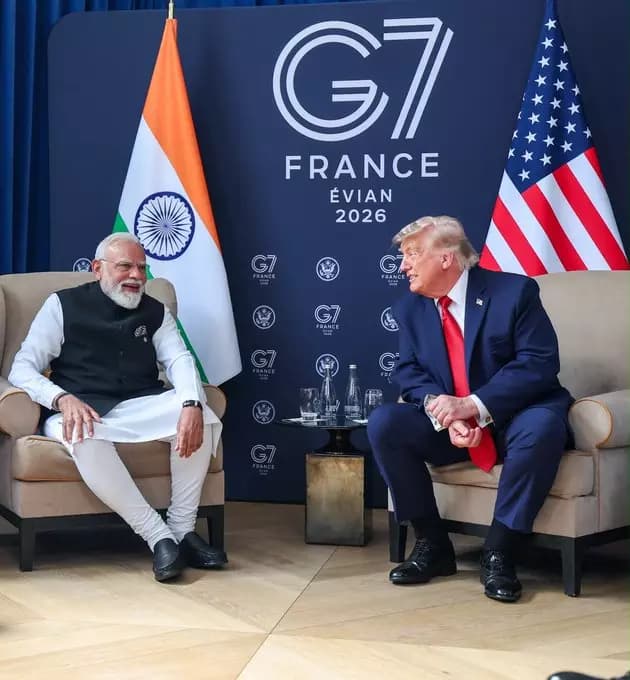
The recent focus on the India-US trade deal follows a productive dialogue between Prime Minister Narendra Modi and President Donald Trump, who met on the sidelines of the G7 summit in France on June 17. This meeting provided necessary momentum for negotiators. Commerce and Industry Minister Piyush Goyal has been leading the Indian side, engaging in critical talks with the United States Trade Representative Jamieson Greer to navigate the complexities of the current trade environment.
The ongoing negotiations aim to refine a framework initially proposed in February. However, subsequent adjustments in global tariff policies, necessitated by a US Supreme Court ruling, forced both administrations to reassess the terms. The goal is to reach a reciprocal agreement that fosters growth while ensuring fair market access for exporters from both countries. Minister Piyush Goyal emphasized that the teams are working diligently to close all remaining gaps to ensure the successful execution of this vibrant first phase of the partnership by the middle of next month.
Strategic Importance of the Trade Partnership
For New Delhi, securing preferential tariff treatment remains a top priority, especially to maintain a competitive advantage over regional economic peers like Vietnam and other ASEAN nations. Officials, including Commerce Secretary Rajesh Agrawal and chief negotiator Darpan Jain, are central to these high-stakes meetings held at Vanijya Bhawan. Their work seeks to address the uncertainties introduced by recent shifts in Washington's tariff policies.
The US Embassy in India has highlighted that the deepening economic cooperation is a mutually beneficial endeavor. By strengthening these commercial ties, both nations aim to support manufacturing jobs, enhance energy security, and promote tech talent exchanges. The primary objective remains the creation of a stable, fair, and reciprocal environment that allows businesses to thrive while contributing to the economic growth of both the United States and the world's largest democracy, India.