India’s First Hydrogen Train Successfully Clears Final High-Speed Trial in Haryana
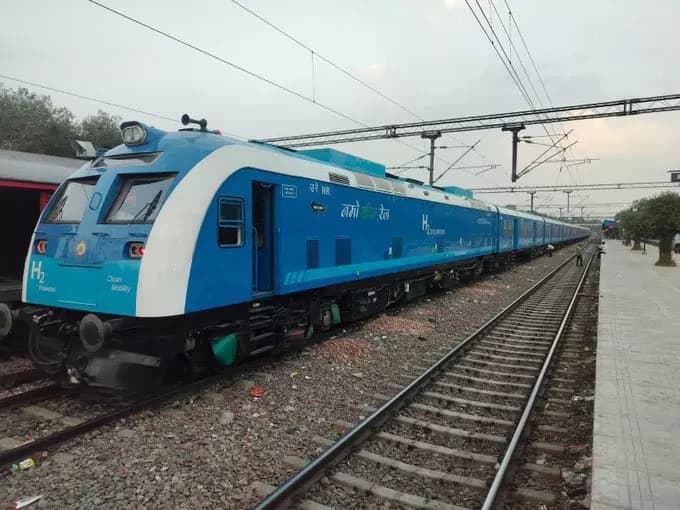
India has successfully conducted the final high-speed trial for its first hydrogen-powered train on the Jind-Sonipat route in Haryana. Using eco-friendly hydrogen fuel-cell technology, this initiative by Indian Railways aims to reduce fossil fuel dependency and carbon emissions, marking a significant step toward sustainable national transport.
Highlights
- •India’s first hydrogen-powered train completed a final high-speed trial at 120 kmph in Haryana.
- •The train operates using hydrogen fuel-cell technology, which emits only water vapor instead of pollutants.
- •Specialized support infrastructure, including hydrogen refueling and storage, has been set up in Jind.
- •Safety features include hydrogen leak detectors and flame detection systems for secure operation.
India’s first hydrogen train has successfully reached a significant milestone by completing its final high-speed trial run. This achievement marks a pivotal development in the nation's ongoing commitment to modernizing its transport infrastructure and shifting toward more sustainable energy alternatives within the rail sector.
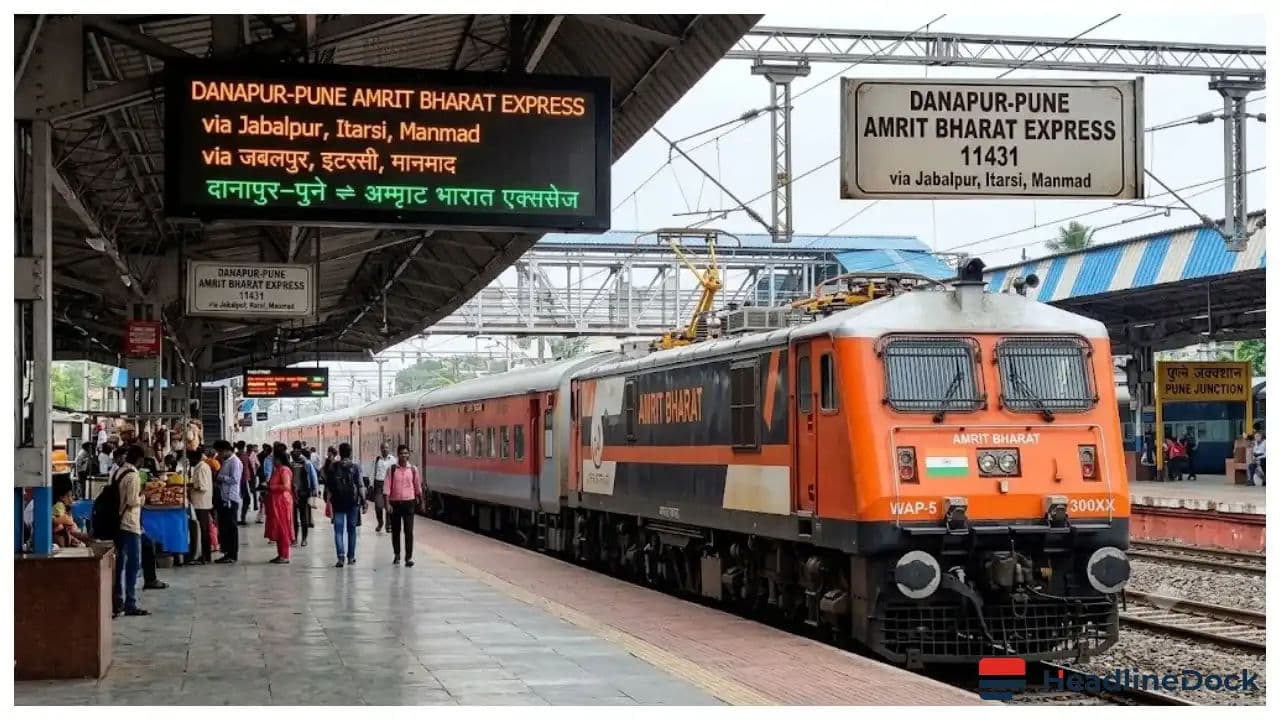
The trial took place on the Jind-Sonipat section in Haryana. During the evaluation, the specialized train achieved a top speed of 120 kmph on the Northern Railway route. This successful test serves as a critical prerequisite for the train to eventually transition into regular passenger service, contingent upon the completion of standard regulatory and operational formalities by the relevant authorities.
Advancing Sustainable Rail Technology
Developed under the strategic guidance of Indian Railways, this project is designed to substantially lower the national network's reliance on traditional fossil fuels. The cutting-edge train utilizes sophisticated hydrogen fuel-cell technology. This process generates electricity through a controlled chemical reaction involving hydrogen and oxygen, with the notable advantage that the only byproduct emitted is water vapor, ensuring zero harmful emissions.
To support this innovative transport solution, dedicated infrastructure has been established at Jind, encompassing comprehensive facilities for hydrogen production, storage, and efficient refueling. The selection of the Jind-Sonipat corridor was intentional, serving as an ideal pilot route to evaluate how the technology performs under authentic, real-world operating conditions.
Ensuring passenger and operational safety remains a top priority for Indian Railways officials. Consequently, the train is outfitted with advanced safety features, including integrated hydrogen leak detectors, specialized flame detection equipment, and comprehensive, continuous monitoring systems. These measures are designed to provide robust oversight and guarantee high safety standards during daily operations.
This accomplishment firmly places India alongside a select group of nations globally that are actively innovating with hydrogen-powered rail technology. By investing in such sustainable transport, the country is working toward broader environmental goals, specifically targeting a significant reduction in carbon emissions. The successful deployment of India’s first hydrogen train underscores a transition toward cleaner, eco-friendly mobility solutions that could redefine the future of rail travel across the country.