India Rebukes China-Pakistan Joint Statement on Kashmir
<strong>India rejects references to Jammu and Kashmir in joint statement by China and Pakistan, asserting sovereignty over the region.</strong> The move stems from ongoing tensions between India and its neighbors regarding territories disputed under CPEC projects.
Highlights
- •India categorically rejected unwarranted references to Jammu and Kashmir in a China-Pakistan joint statement
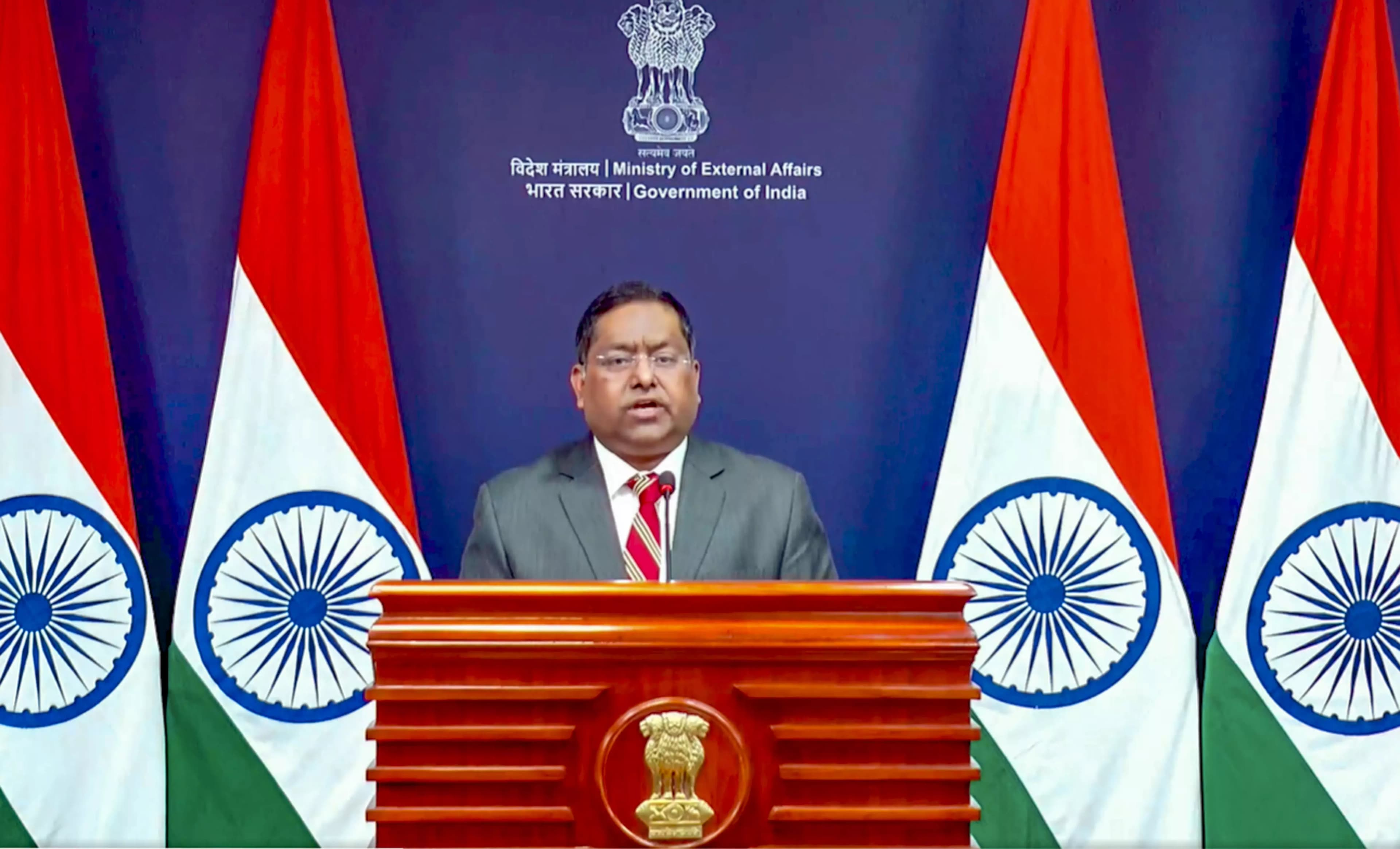
- •External Affairs Ministry Spokesperson Randhir Jaiswal said the union territory remains an integral part of India
- •Criticism extended to CPEC projects that allegedly pass through Pakistan-Occupied-Kashmir
- •India opposes any moves to reinforce Pakistan's illegal occupation, emphasizing sovereignty and territorial integrity
New Delhi: In a strong rebuke, India has categorically rejected any unwarranted references to the Union Territory of Jammu and Kashmir in a joint statement issued by Pakistan and China during Prime Minister Shehbaz Sharif's recent visit. The statement reiterates that Jammu and Kashmir and Ladakh are integral parts of India, with no external party having the right to comment on the matter.
Tensions Escalate over Kashmir
India's External Affairs Ministry Spokesperson, Randhir Jaiswal, stated that the Indian position is consistent and well-known. He highlighted that the projects under the so-called China-Pakistan Economic Corridor (CPEC) also pass through Pakistan-Occupied-Kashmir, an area that India considers integral to its sovereignty.
"The Union Territories of Jammu and Kashmir and Ladakh have been, are and will always remain integral and inalienable parts of India. No other country has the locus standi to comment on the same," Jaiswal said. He further criticised projects under CPEC, asserting that they lie within Indian sovereign territory and opposing any efforts by countries like Pakistan to reinforce its illegal occupation.
"We resolutely oppose and reject any moves by other countries to reinforce or legitimise Pakistan's illegal and forcible occupation of these territories, impinging on India's sovereignty and territorial integrity," he added, pointing out that this stance has been conveyed multiple times to both Pakistani and Chinese authorities.
The joint statement also drew criticism from Indian officials for mentioning the so-called 'trans-boundary water resources cooperation' between China and Pakistan. Given that these two countries do not share a common boundary, any such co-operation does not arise according to Indian legal standing.