How Oil Price Shocks Reveal the Vulnerability of Car-Dependent Cities
Surging oil prices have highlighted the dangers of car-dependent urban planning. Experts suggest that governments can enhance resilience by investing in diverse, energy-efficient transportation alternatives like public transit, cycling networks, and electric vehicles, alongside implementing necessary zoning reforms to prioritize walkable neighborhoods.

Highlights
- •Global oil supply disruptions caused by conflict have exposed urban car dependency.
- •Roughly 80 percent of Canadian commuters rely on private, gas-powered vehicles.
- •Cities can build resilience by promoting electric vehicles, cycling, and public transit.
- •Zoning reforms that prioritize walkable neighborhoods can reduce long-term energy vulnerability.
Recent global instability stemming from conflict between Iran and the United States has caused oil prices to surge, exposing the inherent risks of car-dependent urban environments. In many parts of Canada, gasoline costs surpassed $2 per litre as supply chains faltered. Although a recent memorandum between Iran and the U.S. provides a semblance of relief, industry experts warn that global shipping backlogs in the Strait of Hormuz will persist for months.
Furthermore, significant damage to oil and gas infrastructure throughout the Persian Gulf has created what the International Energy Agency describes as the most substantial supply disruption in the history of global oil markets. This price volatility underscores a critical vulnerability: widespread reliance on private vehicles. Approximately 80 percent of commuters in Canada depend on personal transport, with 95 percent of these vehicles utilizing internal combustion engines, resulting in an annual demand for roughly 43 million cubic metres of gasoline.
Building Resilient Urban Infrastructure
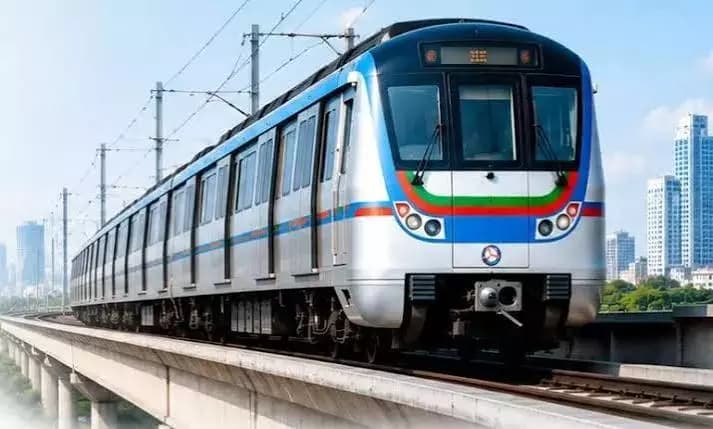
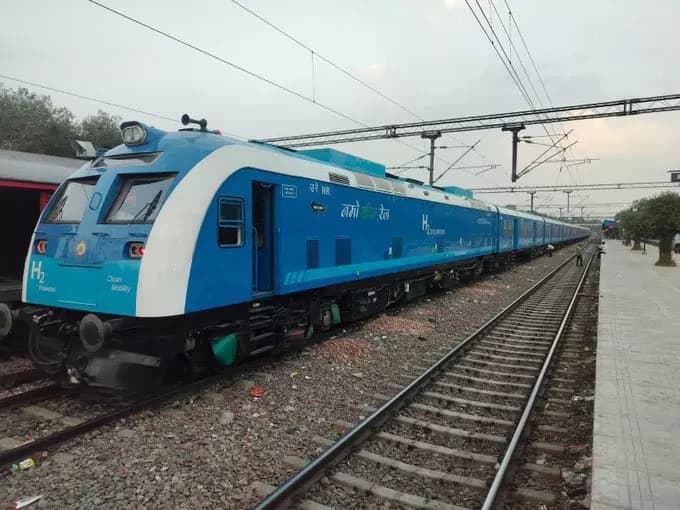
Because transportation represents a substantial portion of household expenditure, fuel price shocks disproportionately impact consumers in car-centric regions. To mitigate these risks, municipal governments must focus on creating resilient urban mobility by offering diverse, energy-efficient transportation options. A shift toward public transit, cycling, walking, and electric vehicles is essential to ensure citizens remain mobile even when one mode of transport is compromised.
Encouraging the adoption of electric vehicles is one immediate solution. Cities can accelerate this transition by mandating charging infrastructure in new developments, providing installation grants, and establishing zero-emission zones. Norway offers a successful blueprint, having reached a 98 percent electric vehicle share for new passenger car registrations through a combination of national tax incentives and local mandates.
In the near term, municipalities should prioritize the expansion of active transport grids. Developing networks of protected bicycle lanes—similar to those implemented successfully in Seville, Spain—can rapidly increase non-motorized trips. Simultaneously, enhancing public transit through dedicated bus rapid transit lanes with signal priority can significantly improve efficiency and ridership, reducing the impact of fuel costs on daily commuters.
Long-term resilience also requires significant zoning reform. By eliminating parking minimums and allowing for greater residential density, cities can foster walkable, transit-oriented neighborhoods. Modernizing building codes to permit single-entry, mid-rise structures can further assist in creating accessible, family-sized housing within urban centers. Ultimately, by shifting focus away from a car-exclusive model, cities can become more sustainable, affordable, and adaptable to future global economic shocks.