How Drug Demand in Australia and New Zealand Is Fueling Calls for the Death Penalty in Fiji
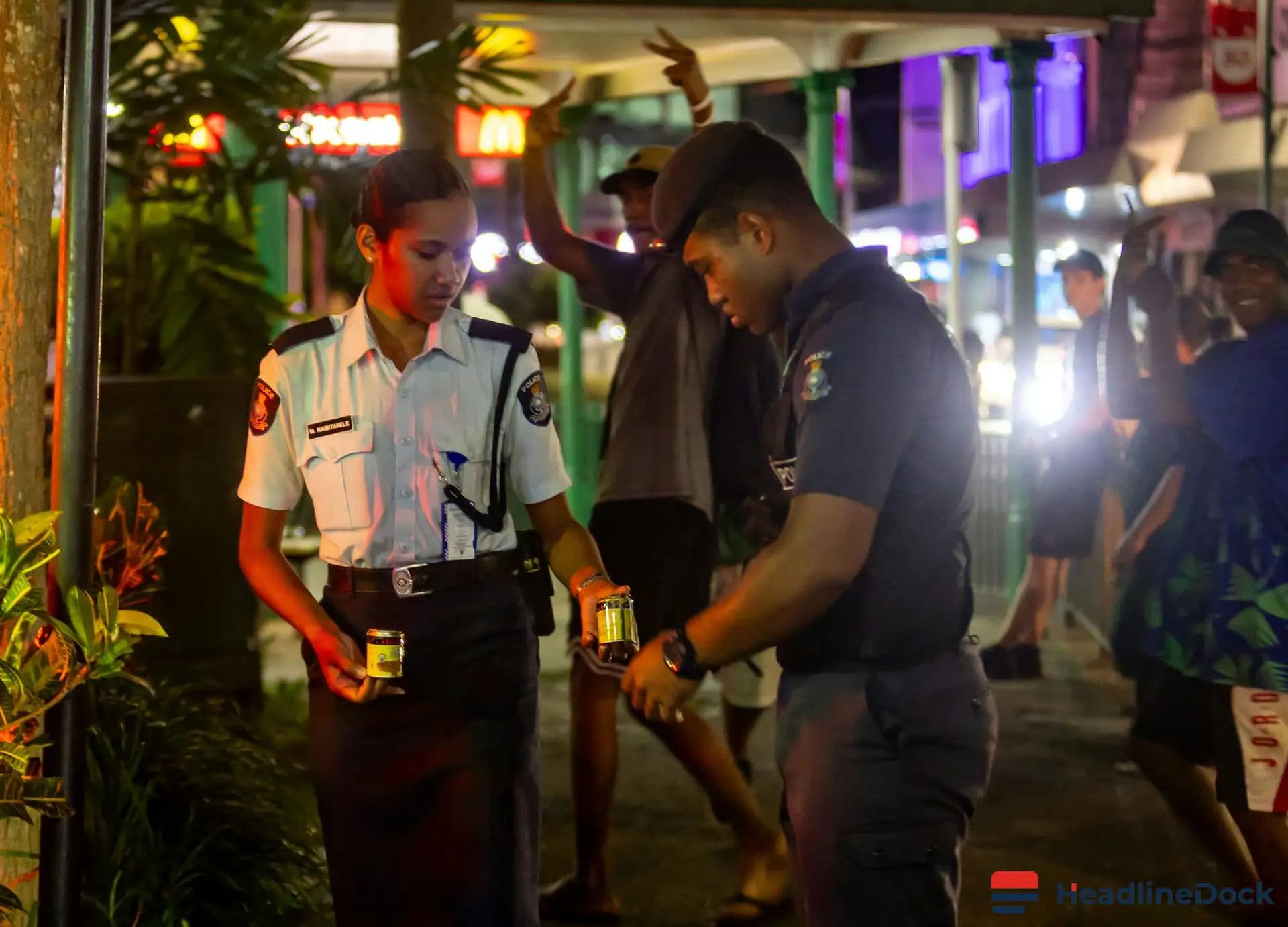
Fiji is battling a growing narcotics crisis fueled by illicit drug demand from Australia and New Zealand. As authorities grapple with major smuggling operations, public debate has intensified over whether to reintroduce the death penalty to curb surging drug-related crime.
Highlights
- •Fiji is facing a national drug emergency driven by high demand in Australia and New Zealand.
- •Calls to reintroduce the death penalty for drug offenses are gaining traction amid record-breaking narcotics seizures.
- •Critics argue capital punishment ignores systemic issues like poverty, mental health, and the prevalence of small-scale cannabis usage.
- •Fiji is currently drafting a new Counter Narcotics Bill to overhaul its approach to drug control and law enforcement.
Fiji is currently navigating a severe illicit narcotics crisis, officially recognized as a national emergency. This surge in drug demand is largely fueled by the persistent market appetite for substances like cocaine and methamphetamine in neighboring Australia and New Zealand. What was once considered a mere transit point for global smuggling operations has transformed into a local market plagued by rising consumption and crime.
In response to the escalating situation, some officials and critics are advocating for the return of the death penalty for major drug-related offenses. This push for capital punishment follows massive seizures, including one incident involving over four tonnes of methamphetamine and another recent bust of over two tonnes of cocaine destined for international markets. Despite the existing legal framework—which includes life imprisonment and substantial fines under the 2004 Illicit Drugs Act—there is a growing sense of desperation to curb the influence of cartels.
Evaluating the Death Penalty Proposal
The movement to reintroduce capital punishment faces significant hurdles, particularly given Fiji's history and its standing as a signatory to human rights commitments. The country officially abolished the death penalty in 2015 after the introduction of the 2013 Constitution, which prioritized the right to life. Historically, the nation has not executed anyone since 1964, and recent judicial actions—such as the 2024 presidential pardon and release of George Speight—suggest a pivot away from the harshest forms of punishment, even for serious crimes like treason.
Critics argue that capital punishment is an ineffective deterrent that fails to address the socio-economic drivers of the crisis. These include systemic issues like the HIV/AIDS epidemic, untreated mental health conditions, and widespread economic hardship that forces individuals into illicit activities. Furthermore, because drug offenses in Fiji predominantly involve cannabis—often cultivated locally—a broad application of the death penalty could disproportionately affect small-time users and youth, rather than just the transnational cartel ringleaders.
Instead of relying on extreme judicial measures, experts suggest that Fiji should adopt a multi-faceted strategy. This includes strengthening harm-reduction services, establishing more rehabilitation centers, and creating sustainable economic opportunities for vulnerable populations. The government is currently reviewing its approach through the development of the Counter Narcotics Bill, which aims to create a specialized anti-narcotics bureau. Whether this legislation will incorporate harsher sentencing or focus on rehabilitation remains a central point of national debate. Balancing these internal security needs with the diplomatic sensitivity required in relations with Australia and New Zealand will be the ultimate challenge for the Fijian administration as they navigate this complex drug landscape.