How Angola's Long War Changed Farmer Fire Usage and Why It Matters
A 27-year civil war in Angola drastically altered traditional farming practices, specifically the use of fire in land management. Recent research reveals that wartime suppression of fire led to forest expansion, highlighting the need for context-aware environmental policies that respect local community livelihoods and ecological history.
Highlights
- •Angola's 27-year civil war forced a significant decrease in controlled fire use by local farmers.
- •Ecological analysis shows fire activity dropped by 36% during the conflict, allowing forests to densify.
- •Post-2002 peace saw a 60% surge in fire usage as populations returned to traditional agricultural practices.
- •Researchers warn against using wartime fire suppression data as a baseline for current environmental policy.
The long-standing civil war in Angola, which persisted for 27 years following independence from Portugal in 1975, fundamentally transformed the relationship between local farming communities and the environment. Specifically, the conflict altered how populations utilized fire to manage the landscape in the isolated Moxico provinces. Recent ecological research highlights that this historical instability serves as a critical variable in understanding modern fire regimes within the region.
Impact of Conflict on Fire Regimes
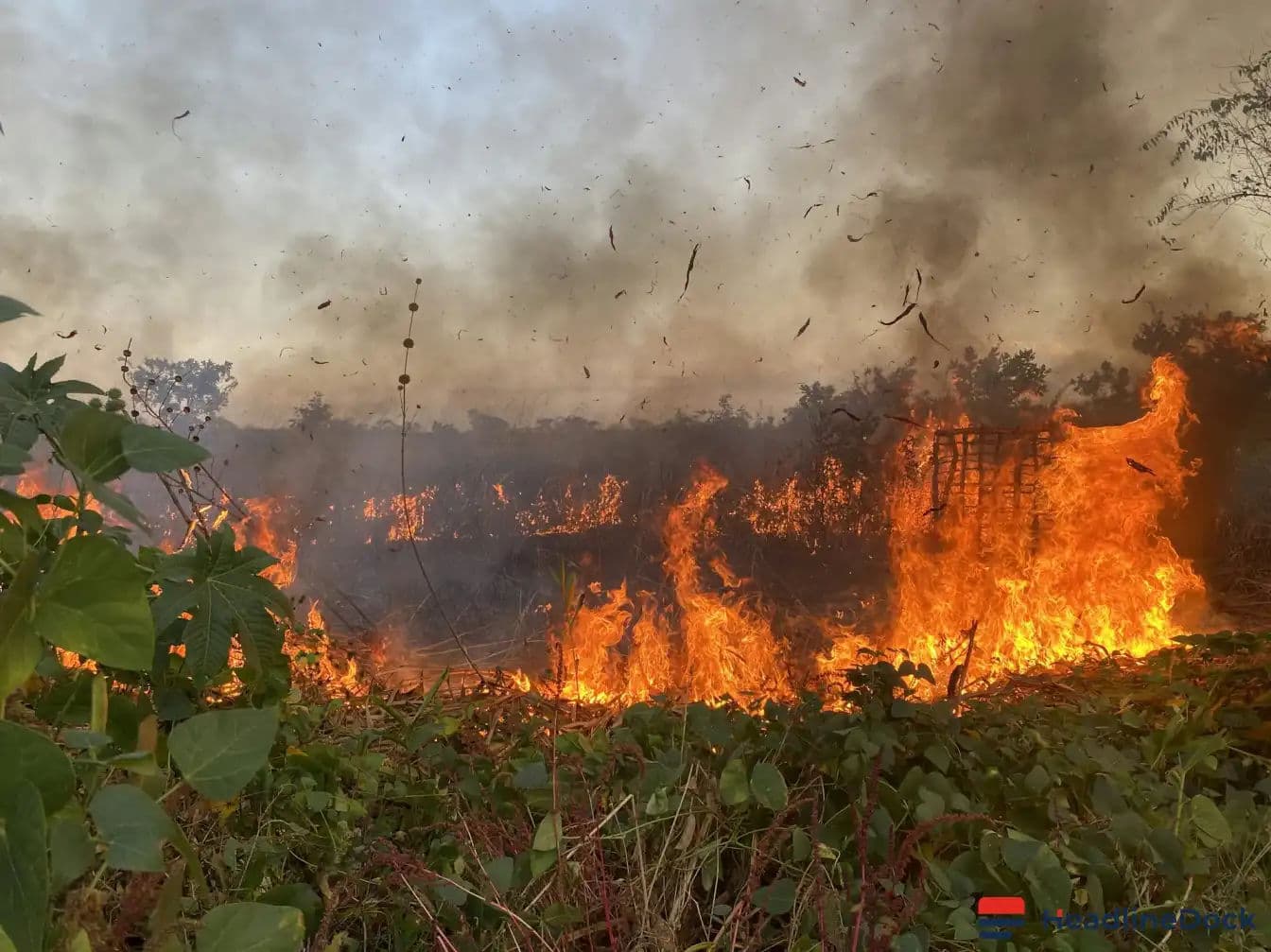
In many global conflict zones, scholars typically observe an uptick in fire activity. However, Angola presents a unique contrast. Research conducted in the Moxico highlands indicates that fire use dropped significantly during the years of conflict. Because the region was plagued by violence and the presence of landmines, local populations were forced to remain mobile and minimize their footprint to avoid detection by armed groups. Consequently, the customary, controlled use of fire—essential for clearing agricultural fields and supporting subsistence gathering—was severely restricted to prevent revealing village locations.
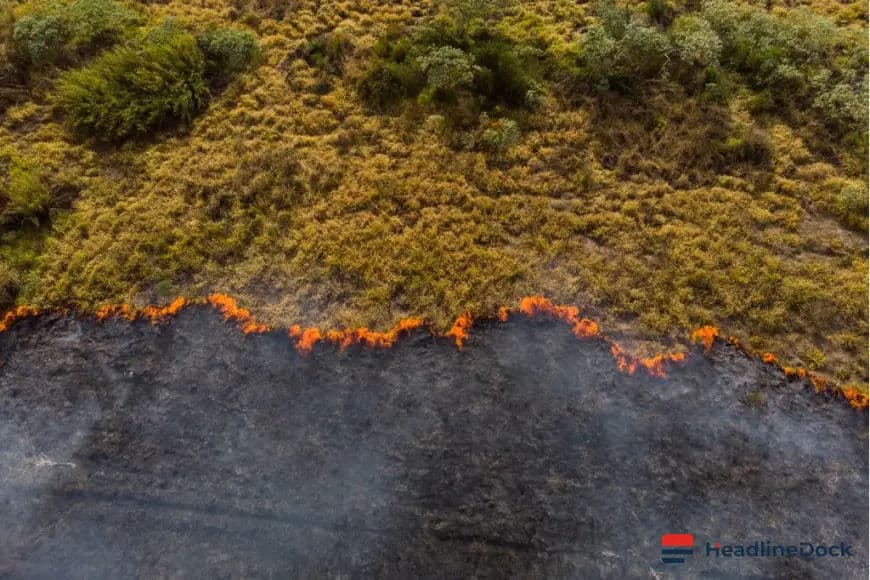
Data gathered by experts from the University of Edinburgh and the University of Turin suggests that fire activity decreased by roughly 36% during the war years compared to the post-conflict era. During this period, the dense woodlands and forests actually expanded. Elders who lived through these decades confirmed that strict military regulations often made even small fires dangerous, turning potential ecological management tools into perceived liabilities. This suppression of human-led burning was an exceptional circumstance rather than the historical norm.
Post-War Recovery and Ecological Management
Following the peace agreement in 2002, there was a dramatic shift in the landscape. As populations returned to their traditional lands, the use of fire for agricultural productivity surged, with recorded burnt areas rising by 60% compared to the wartime average. This rebound is now understood by researchers as a return to a natural, human-managed baseline.
The findings emphasize that fire management policy must be context-specific. When policymakers look at the low-burning records of the war era and set them as a standard, they risk implementing suppression strategies that inadvertently harm local livelihoods. In eastern Angola, where traditional systems of resource governance have been eroded by decades of instability, it is vital to recognize that fire is not merely an environmental hazard. Instead, it is a deeply embedded socio-political tool. Future conservation efforts in regions like the Okavango Delta headwaters must prioritize the integration of local community practices to restore a healthy ecological balance. By centering human survival and traditional knowledge, it is possible to navigate the complex, long-lasting consequences of war on the natural world.