Gratuity Tax Break: Good News for Employees in India
India has increased the tax-free limit for gratuity payments from Rs. 10 lakhs to Rs. 20 lakhs, benefiting millions of employees in both public and private sectors. This change will provide significant financial relief, especially at retirement or job transition.
Highlights
- •Tax exemption on gratuity raised to Rs. 20 lakhs
- •Fixed-term employees qualify for gratuity after one year of service
- •New regulations apply to establishments with ten or more workers
- •Gratuity amount is calculated using a specified formula
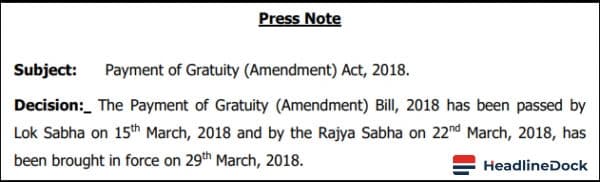
India's labor laws have seen significant updates, especially concerning the gratuity tax. Under the new rules, a relief has been offered to millions of workers as the central government increased the tax-free amount from Rs. 10 lakhs to Rs. 20 lakhs. This change is particularly beneficial for middle-class individuals who might face reduced tax burdens during retirement or job departure.
Understanding Gratuity and Tax Exemption
The provision of gratuity was first introduced under the Gratuity Payments Act of 1972. This sum is paid by companies when an employee retires or leaves after years of dedication. With the new labor laws, all employees—whether in the public or private sector—can now enjoy tax-free benefits up to Rs. 20 lakhs upon receiving this sum.
One key change introduced by the government is that fixed-term employees can now claim gratuity even after one year of service. This is a significant shift from the old requirement of at least five years for other regular employees. The new regulations apply to establishments with ten or more workers in any given period over 12 months, ensuring widespread coverage.
For private sector employees, the tax structure remains straightforward: the sum receivable will be either the Rs. 20 lakh ceiling set by the government or an amount calculated using a formula that factors in basic pay and dearness allowance (DA). Any amount above Rs. 20 lakhs is subject to taxation based on each individual's income bracket.
To calculate your gratuity, add your last basic salary and DA, multiply by 15, then multiply by the number of years you've worked, and divide by 26. If this figure is Rs. 20 lakhs or less, there's no need to pay tax.
This change not only offers substantial financial relief but also supports stable employment through higher savings potential for workers.