Fossil Fuels to Remain Core of Africa's Electricity Landscape by 2030
A new study analyzing 3,139 power plants across Africa reveals that fossil fuels will continue to supply 61% of the continent's electricity by 2030. Researchers urge for integrated water and energy policies to meet development goals while protecting vital ecosystems and climate commitments.
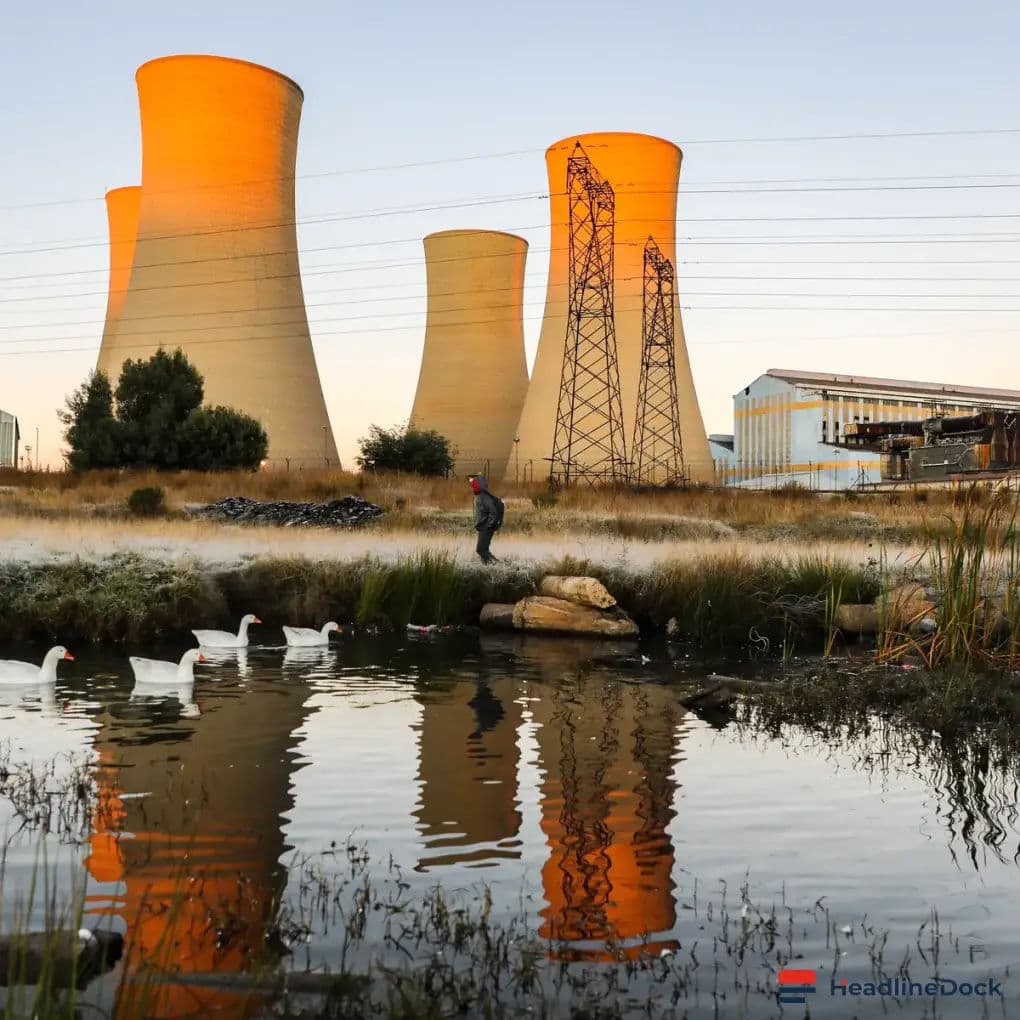
A comprehensive study tracking 3,139 power plants across the continent reveals that fossil fuels are set to remain the dominant source of electricity in Africa through 2030. While many nations are making strides in green energy, the ongoing reliance on coal, oil, and gas presents significant challenges for climate goals and water resource management.
Currently, approximately 57% of the African population lacks access to electricity, predominantly in sub-Saharan regions. To achieve the United Nations target of universal access to affordable power by 2030, a massive expansion in generation capacity is required. However, researchers emphasize that this growth must be carefully balanced with environmental sustainability and the preservation of water, which is essential for both power generation and food security.
Evaluating Africa's Electricity Future and Environmental Impact
The research team cataloged existing, under-construction, and planned projects from 2020 to 2030, mapping them by energy source and geographic location. The findings suggest that while electricity output is projected to climb by 57% by 2030, the continent remains tethered to traditional power sources. Projections indicate that 61% of electricity will still be generated through burning fossil fuels by the end of the decade. While renewable energy is expected to increase from 19% to 34% of total generation, the overall pace of adoption currently trails behind international climate commitments.
The study highlights a critical need for integrated planning. For instance, the expansion of hydropower—while seen as a renewable solution—is projected to increase water consumption by 73%. This development poses a direct threat to freshwater biodiversity, which is vital for local food supplies. Furthermore, drought conditions, such as those experienced in 2024, have proven that heavy reliance on hydroelectric dams like Kariba can lead to severe energy shortages.
Conversely, the report identifies clear benefits in shifting toward solar panels and wind turbines. These technologies require significantly less water and emit far lower levels of carbon dioxide. Furthermore, they offer the advantage of being quicker and cheaper to deploy compared to large-scale thermal or nuclear plants. Nations like Morocco, South Africa, Egypt, and Ethiopia are already making substantial investments in these cleaner technologies.
To secure a sustainable future, policymakers must move beyond treating energy and water as separate policy spheres. By utilizing open-access data, including detailed databases on power plant performance, governments can make informed decisions. An effective strategy would combine diverse renewable sources with battery storage and robust, high-voltage inter-country grids to ensure reliable electricity across the continent, even in remote or conflict-affected areas.
,curated_key_highlights:[