FIFA World Cup 2026: Canada Pats Itself on the Back for Success


The 2026 FIFA World Cup concluded as a record-breaking success for Canada. Beyond operational efficiency and effective infrastructure management in host cities like Vancouver and Toronto, the Canadian men's soccer team achieved historic milestones, significantly boosting national pride and validating the government’s major tournament investments.
Read it in Short
QUICK OVERVIEW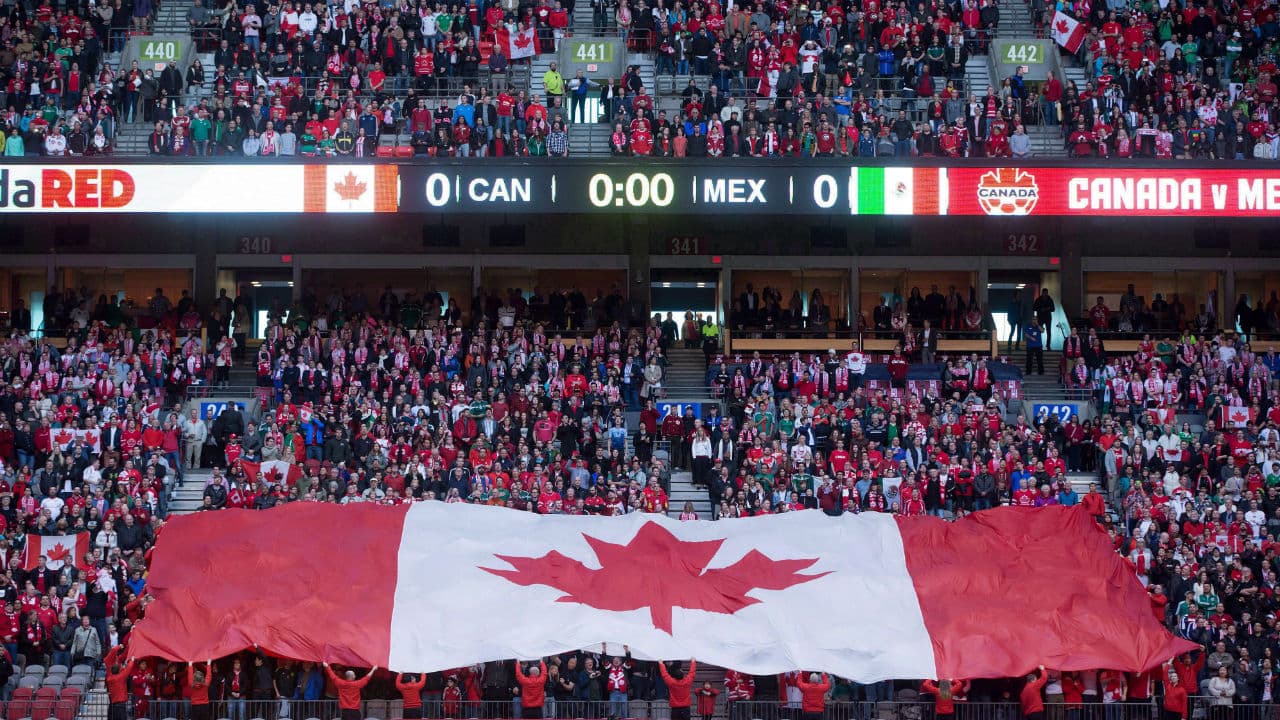
Canada successfully co-hosted the 104-match FIFA 2026 World Cup, achieving 99.7% stadium occupancy.

The Canadian men's soccer team secured their first-ever World Cup tournament point and match win.

Government investment of over $116 million supported infrastructure and operations across Vancouver and Toronto.

Decentralized fan zones and effective logistical coordination successfully managed record-breaking global spectator attendance.
FIFA World Cup 2026: Canada Pats Itself on the Back for Success
As the curtains close on the 2026 FIFA World Cup, the atmosphere in Canada has shifted from pre-tournament anxiety to a profound sense of national accomplishment. Hosting an event of this magnitude—a sprawling 104-match marathon spread across North America—was never going to be a simple feat. Yet, with the tournament now concluded, Canadian officials and analysts are unified in their assessment: the nation did more than just host; it set a new operational benchmark for global sporting events.
The success is particularly striking when contrasted with the initial skepticism that clouded the planning phases. Concerns regarding infrastructure strain, the potential for crowd management "chaos," and debates over the wisdom of a $116 million federal investment loomed large. However, as the final whistle blew in July, those concerns have been largely eclipsed by the reality of a 99.7% stadium occupancy rate and a surge in national pride fueled by unprecedented athletic milestones.
A Structural Departure: The 48-Team Era
The 2026 tournament served as a "structural departure" for modern football, introducing a 48-team format that increased both the complexity and the scale of the operation. Unlike previous iterations, this tournament required a massive, coordinated effort between the United States, Mexico, and Canada. For the Canadian hosts in Vancouver and Toronto, this meant a rigorous overhaul of transit capacities and stadium infrastructure designed to handle an unprecedented influx of global fans.
The effectiveness of this coordination is the primary reason the government is now "patting itself on the back." The integration between federal, provincial, and municipal authorities—a relationship often hampered by jurisdictional friction—proved highly resilient. The implementation of "big screen" fan zones proved to be a masterstroke, effectively dispersing crowds and driving significant traffic into local hospitality sectors, thereby validating the economic strategy behind the heavy infrastructure spending.
The Athletic Watershed
While the logistics represent a victory for bureaucracy, the true heart of the celebration lies on the pitch. For the Canadian men’s national team, the 2026 tournament was a journey of firsts. Securing a 1-1 draw against Bosnia on June 13 marked the nation’s first-ever point in World Cup history. This was followed by a resounding 6-0 victory over Qatar in late June, a watershed moment that galvanized the country and solidified the tournament’s cultural significance.
| Metric | Pre-Tournament Expectations | Actual 2026 Results |
|---|---|---|
| Public Sentiment | Skeptical/High cost-concern | Highly positive/Success-focused |
| Logistical Risk | High (Infrastructure strain) | Managed/Operational success |
| Team Performance | Historical participation | First-ever win & points earned |
Troubleshooting the Logistics: Lessons in Scale
Despite the overall success, the tournament was not without its friction points. Urban centers like Vancouver and Toronto experienced significant pressure on transit systems during peak match days. If future hosts are to replicate this success, they must account for the following:
- Transit Bottlenecks: Localized reports confirmed that public transit systems reached capacity limits. Future planning should prioritize temporary, high-frequency shuttle loops exclusively for ticket holders to mitigate downtown congestion.
- Managing Capacity Expectations: To avoid the "chaos" feared in early 2026, authorities utilized real-time data to push fans toward secondary viewing zones. This decentralized crowd management proved to be the single most effective way to balance safety with high attendance.
- Justifying Public Spend: The persistent debate over the $116 million investment highlights the need for transparency. Future host cities can improve public buy-in by detailing the long-term tourism benefits and legacy infrastructure upgrades early in the bid process, rather than relying on tournament-time momentum.
The Economic Reality
While the $949 million in global ticket and hospitality revenue provided a massive financial backdrop for the tournament, Canada’s success is measured by how it translated this global influx into local value. The government’s investment was not merely a cost of hosting but a strategic injection into public assets that will remain in use long after the stadiums have quieted. As noted by analysts, the ability to leverage this $116 million into a successful hospitality boom represents a rare instance where the immediate economic boost matched the long-term strategic goals of the host cities.
As media reviews, including those from The Indian Panorama, formalize the historical record, it is clear that 2026 has redefined what Canada is capable of delivering on the world stage. The country has proven it can handle the pressure of the world's most popular sport, turning a potentially volatile logistical hurdle into a moment of collective celebration.
📖 Fifa World Cup 2026 Coverage Timeline (Story Graph)
Follow the chronological evolution of Fifa World Cup 2026 updates and related announcements on HeadlineDock:
- Jun 20, 2026 — FIFA World Cup 2026: Netherlands vs Sweden Clash at Houston Stadium
- Jun 21, 2026 — FIFA World Cup 2026: Uruguay Battles Cabo Verde at Miami Stadium
- Jun 23, 2026 — FIFA World Cup 2026: Panama vs Croatia Face Off in Toronto Showdown
- Jun 24, 2026 — FIFA World Cup 2026: High-Stakes Matches and Hectic Schedules Begin Tonight
- Jul 20, 2026 — Spain Crowned FIFA World Cup 2026 Champions After Dramatic Final Win
- Today — Active Coverage: (You are reading this article)
Frequently Asked Questions
Was the 2026 World Cup successful for Canada?
Yes, Canada successfully hosted matches and witnessed historic performances by its men's national team, meeting key operational and athletic goals.
How much did Canada spend to host?
The Canadian federal government provided more than $116 million to support necessary infrastructure and operational requirements.
Did the Canadian team perform well?
For the first time ever, the Canadian men's team earned a tournament point against Bosnia and secured a match win against Qatar.