FDA Approves Tregzi: New Immune Cell Therapy for Blood Cancer

On June 30, 2026, the FDA approved Tregzi, a precision-engineered T-cell immunotherapy for high-risk blood cancer patients. Tregzi significantly improves GVHD-free survival compared to standard transplants by utilizing donor-derived regulatory T cells, offering a new treatment pathway with high clinical efficacy and long-term economic advantages.
Read it in Short
QUICK OVERVIEW
The FDA approved Tregzi (Orca-T) on June 30, 2026, for high-risk blood cancer patients undergoing stem cell transplants.
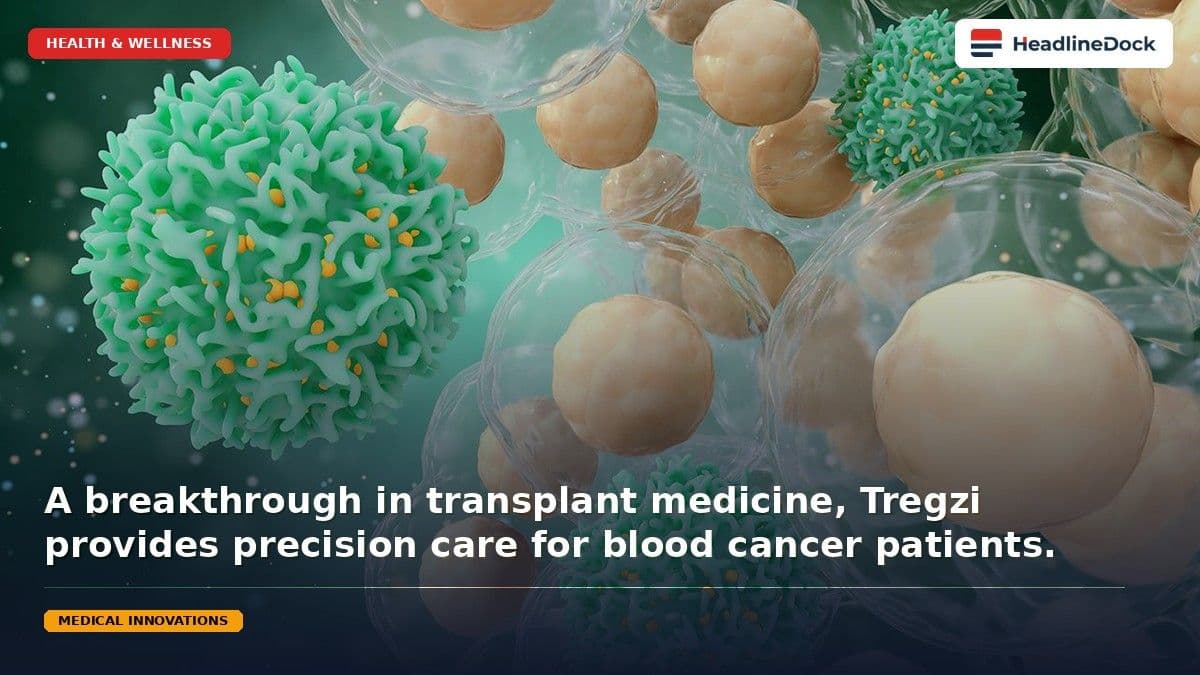
Tregzi uses precision-engineered regulatory T cells to significantly reduce the risk of chronic graft-versus-host disease (GVHD).

Clinical trials showed 78% cGVHD-free survival at one year, compared to 38.4% with standard transplant procedures.

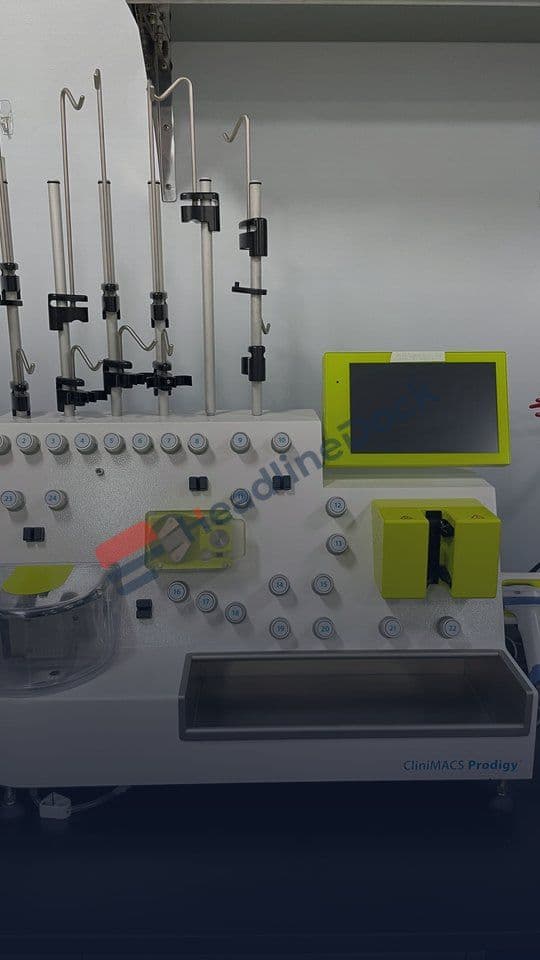
The therapy features a rapid 72-hour vein-to-vein manufacturing window, facilitating efficient delivery to specialized transplant centers.
The U.S. FDA has officially approved Tregzi (Orca-T), a precision-engineered, allogeneic T-cell-based immunotherapy, marking a major milestone for patients with high-risk blood cancers. Developed by Orca Biosystems, Inc., the therapy is designed to improve chronic graft-versus-host disease (GVHD)-free survival in adult patients undergoing allogeneic hematopoietic stem cell transplantation (allo-HSCT).
Precision Engineering: Moving Beyond Traditional Transplants
Traditional allo-HSCT acts as a "double-edged sword." While it offers a potential cure by replacing diseased marrow with donor cells, it carries the high risk of chronic GVHD, where donor immune cells attack the recipient's healthy tissue. Tregzi shifts this paradigm by utilizing a precision-engineered composition of purified hematopoietic stem cells (HSPCs), regulatory T cells (Tregs), and conventional T cells.
The inclusion of regulatory T cells is central to the therapy’s function. These cells act as internal peacekeepers, suppressing the aggressive immune responses that lead to chronic GVHD while allowing conventional T cells to maintain the "graft-versus-leukemia" effect, ensuring the patient's cancer is still effectively targeted.
Clinical Performance Comparison
The PRECISION-T clinical trial, conducted between 2021 and 2025, serves as the primary evidence for this approval, demonstrating superior outcomes compared to standard transplants:
| Feature | Standard Allo-HSCT | Tregzi (Orca-T) |
|---|---|---|
| 1-yr cGVHD-free survival | 38.4% | 78% |
| 1-yr Overall survival | 83% | 94% |
| Serious cGVHD rate | 44% | 12.6% |
Scalability and Economic Impact
Beyond clinical metrics, Tregzi addresses major logistical challenges. The therapy features a 72-hour "vein-to-vein" manufacturing window, significantly faster than many existing cellular therapies. With production localized in Sacramento and Princeton, Orca Bio aims to integrate this model efficiently into existing transplant centers.
At a Wholesale Acquisition Cost (WAC) of $428,000 per treatment, Tregzi represents a significant upfront cost. However, healthcare analysts suggest the therapy may yield over $800,000 in lifetime savings per patient by drastically reducing the need for chronic care, hospital readmissions, and extended immunosuppression associated with GVHD.
Clinical Safety and Implementation
Data from the pivotal trial indicates a favorable safety profile:
- Infection Monitoring: Infections are the most frequently reported side effect, consistent with the immune-suppressing nature of standard transplant procedures.
- Safety Record: No cases of graft failure or severe infusion reactions were observed in the PRECISION-T trial.
- Logistics: Following the June 30, 2026 approval, centers are currently establishing payer coverage policies, emphasizing the reduction of serious chronic GVHD from 44% to 12.6%.
As the medical community adopts this technology, Tregzi stands as a landmark advancement in the shift toward programmable, cell-based oncology treatments.
Frequently Asked Questions
What exactly is Tregzi?
It is a precision-engineered donor-derived cellular therapy consisting of hematopoietic stem cells, regulatory T cells (Tregs), and conventional T cells designed to reduce chronic GVHD after a transplant.
How is Tregzi different from a standard transplant?
Unlike standard transplants, Tregzi is specifically engineered to balance immune reconstitution with tolerance, significantly reducing the risk of chronic GVHD without increasing the relapse risk.
Does Tregzi replace chemotherapy?
No. Patients still undergo chemotherapy to prepare their bodies for the transplant; Tregzi is administered as part of the transplantation process.
Are there any severe risks associated with Tregzi?
The most common risk is infection, which is standard for stem cell transplants. No graft failure or severe infusion reactions were observed in the pivotal trial.