Extreme Heat Challenges Facing Remote First Nations Communities in Australia
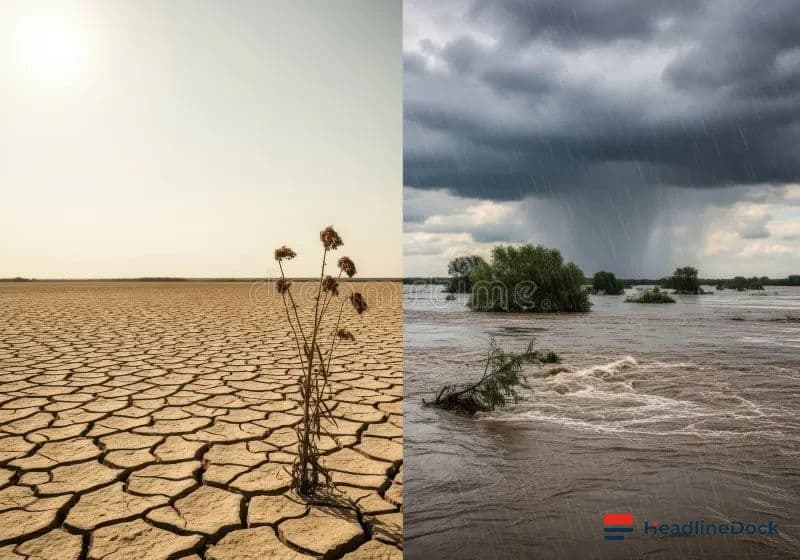
Remote First Nations communities in Australia are struggling with increasingly frequent and intense extreme heat. Research suggests that poor housing infrastructure, combined with climate change, poses severe health risks. Experts are calling for locally-led adaptation strategies and increased investment to support these vulnerable communities.
Highlights
- •Remote First Nations communities in Australia are disproportionately affected by prolonged periods of extreme heat.
- •Housing in these regions often lacks climate-appropriate design, leading to dangerous indoor heat retention during summer months.
- •Local residents currently rely on traditional knowledge and community resource sharing to mitigate the health impacts of high temperatures.
- •Experts stress the need for investment in resilient infrastructure and locally-informed public health strategies to combat rising climate risks.
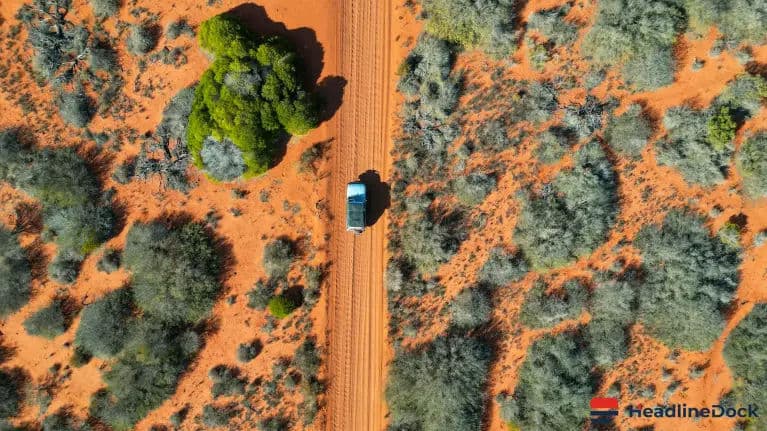
Remote communities across Australia, particularly those belonging to First Nations, are facing significant challenges due to rising extreme heat. As summer temperatures climb, these areas are becoming increasingly vulnerable, with long-term consequences for human health, local infrastructure, and the surrounding environment.
In January 2026, the township of Alice Springs (also known as Mparntwe) experienced a grueling period where temperatures soared past 40°C for 20 consecutive days. This prolonged extreme heat highlights a growing climate crisis that demands urgent attention to how remote housing and essential services are structured.
Impact of Extreme Heat on Daily Life
Research indicates that many dwellings in remote locations are not purpose-built for the local climate, often functioning as heat traps. Compounded by frequent power instability and limited access to repair services, these residents are left disproportionately exposed to dangerous thermal conditions. A recent study involving 30 First Nations participants in Central Australia revealed that extreme heat negatively impacts nearly every facet of daily existence.
Residents frequently report physical symptoms such as dehydration, headaches, exhaustion, and sleep disruption. The heat also severely limits mobility, making it difficult to visit relatives or access vital services, particularly for vulnerable groups like the elderly, children, and those with pre-existing health concerns. Furthermore, the lack of reliable cooling systems poses a serious risk to the safe storage of essential food items and medications.
Adaptive Strategies and the Need for Support
Despite the severity of these conditions, First Nations communities have developed local strategies to manage extreme heat. These include rescheduling daily tasks to cooler early morning or late evening hours, sharing resources like refrigerator space, and utilizing traditional knowledge passed down by Elders regarding weather patterns to prepare for upcoming seasons.
However, experts argue that there is a limit to how much these communities should be expected to adapt independently. The persistent inequality regarding housing quality, infrastructure, and healthcare access is being exacerbated by climate change. Meaningful adaptation requires substantial investment in locally designed, climate-resilient housing, as well as shaded public spaces and timely maintenance for air conditioning systems.
Community members have also emphasized the necessity of better public transport to facilitate essential travel for health appointments. Additionally, there is a strong call for culturally appropriate health information provided in local languages. This would help residents identify symptoms of heat-related illnesses and implement effective cooling strategies. Moving forward, integrating local community knowledge into the design and delivery of adaptation policies is essential for creating sustainable solutions that truly address the specific needs of remote regions.