Delimitation Bill: Prioritizing Census Data and Building National Political Consensus
As the government prepares a new Delimitation Bill to redraw electoral boundaries, experts urge prioritizing an updated Census and fostering national consensus to protect the interests of all states, particularly those that have successfully stabilized population growth.
Highlights
- •The government intends to present a new Delimitation Bill to address electoral constituency imbalances.
- •Southern states express concern that population-based delimitation may diminish their political influence in Parliament.
- •Experts emphasize that an updated Census is a prerequisite for any credible delimitation process.
- •Proposals like phased implementation or select committee review could help build necessary national consensus.
The government is preparing to introduce a new Delimitation Bill in the upcoming parliamentary session. While there is a clear democratic and constitutional justification for periodically redrawing electoral boundaries to ensure equal representation, the process is inherently complex. This delimitation exercise aims to align parliamentary constituencies with current demographic realities, as population shifts over time have resulted in significant imbalances in the number of voters represented by individual members of parliament.
Addressing Regional Concerns and Building National Consensus
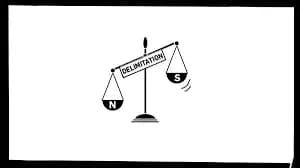
Although the objective of updating electoral boundaries is technically grounded in the principle that each citizen's vote should carry similar weight, the implementation is not merely a numerical task. It intersects deeply with federalism and regional interests. States such as Tamil Nadu, Kerala, Karnataka, Andhra Pradesh, and Telangana have demonstrated significant success in family planning and development, resulting in stabilized population growth. These regions are understandably concerned that a population-based delimitation could lead to a reduction in their relative political influence compared to states where population growth has remained higher.
For such a sensitive adjustment, credibility is essential. It is widely suggested that any move toward delimitation cannot proceed without an updated Census, which was last officially scheduled for 2021. Relying on current, authoritative demographic data is fundamental to ensuring the legitimacy of the process. Furthermore, the commission tasked with this responsibility must be composed in a way that inspires national confidence, potentially chaired by a retired Supreme Court judge, and should involve broad consultations with states, political parties, and experts.
A Path Forward Through Dialogue
Rather than rushing into a process that could potentially reshape India’s federal balance, there are alternative paths. These might include a phased implementation across multiple electoral cycles or the exploration of weighted representation mechanisms that protect the political stakes of states that have achieved their developmental goals. Referring the proposed bill to a parliamentary select committee could provide a structured forum for public hearings and evidence-based debate.
Ultimately, the strength of the Indian Republic lies in its ability to accommodate diverse regional aspirations while maintaining national unity. History suggests that the most durable solutions arise from enlightened compromise rather than unilateral action. By prioritizing transparency and inviting a national conversation, the government can ensure that the Delimitation Bill strengthens the democratic framework rather than causing division. The challenge is to combine the principle of accurate representation with the prudence required to maintain trust across the Union, ensuring that developmental success does not become a catalyst for political disadvantage.