Delhi's EV Policy Launches Big Savings for Electric Vehicles
The Delhi government's new EV policy offers substantial benefits, including 100% tax and registration fee waivers for electric cars up to ₹30 lakh, subsidies for two-wheelers and three-wheelers, and scrappage bonuses. This move is crucial in promoting sustainable transportation and reducing pollution.
Highlights
- •100% tax waiver on electric cars upto ₹30 lakh until March 2030
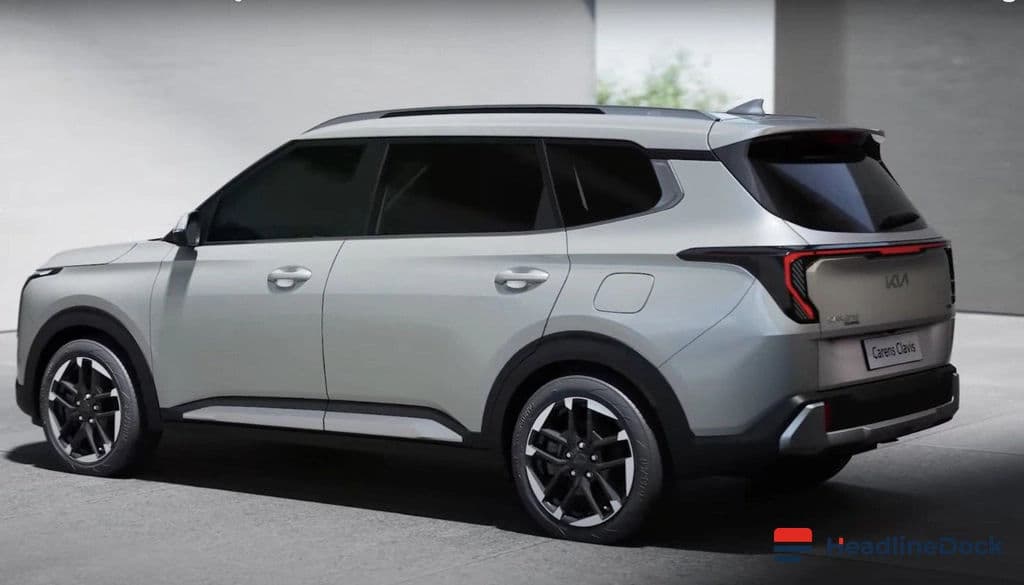
- •50% road tax relief for strong hybrid vehicles like Maruti Suzuki Invicto & Toyota Hycross
- •Subsidy plan for EV two-wheelers and three-wheelers, including cash subsidies up to ₹100,000 on scrapping old vehicles
- •Government's goal is to convert all three-wheelers in Delhi from IC engines by 2027
The Delhi government has unveiled its ambitious Electric Vehicle (EV) policy for 2026, designed to significantly reduce the cost of electric vehicles and promote their adoption in the capital. This groundbreaking initiative offers a range of substantial benefits, including tax waivers on electric cars up to ₹30 lakh until March 31, 2030.
100% Tax Waiver for Electric Cars
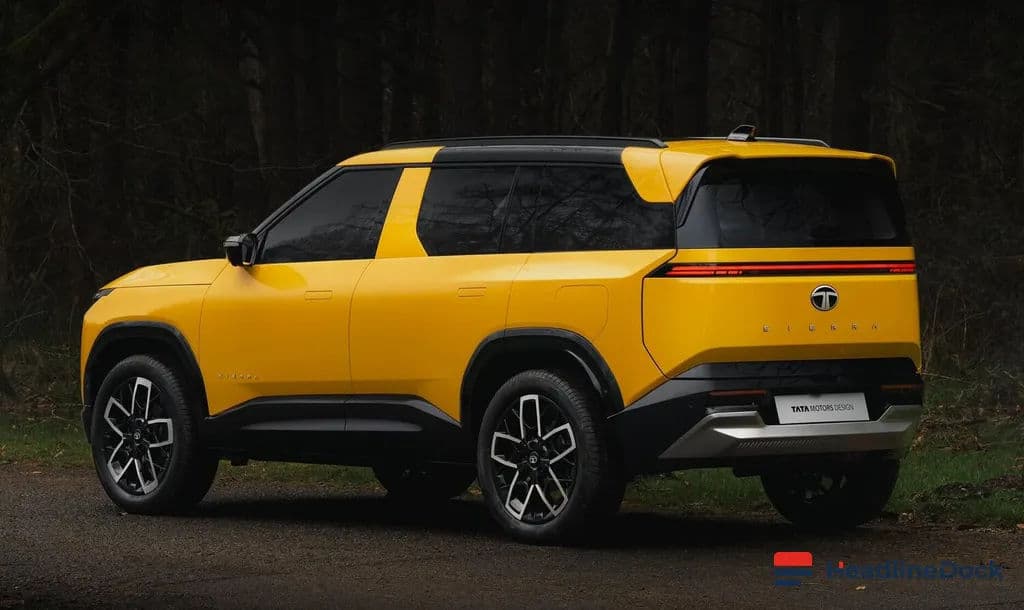
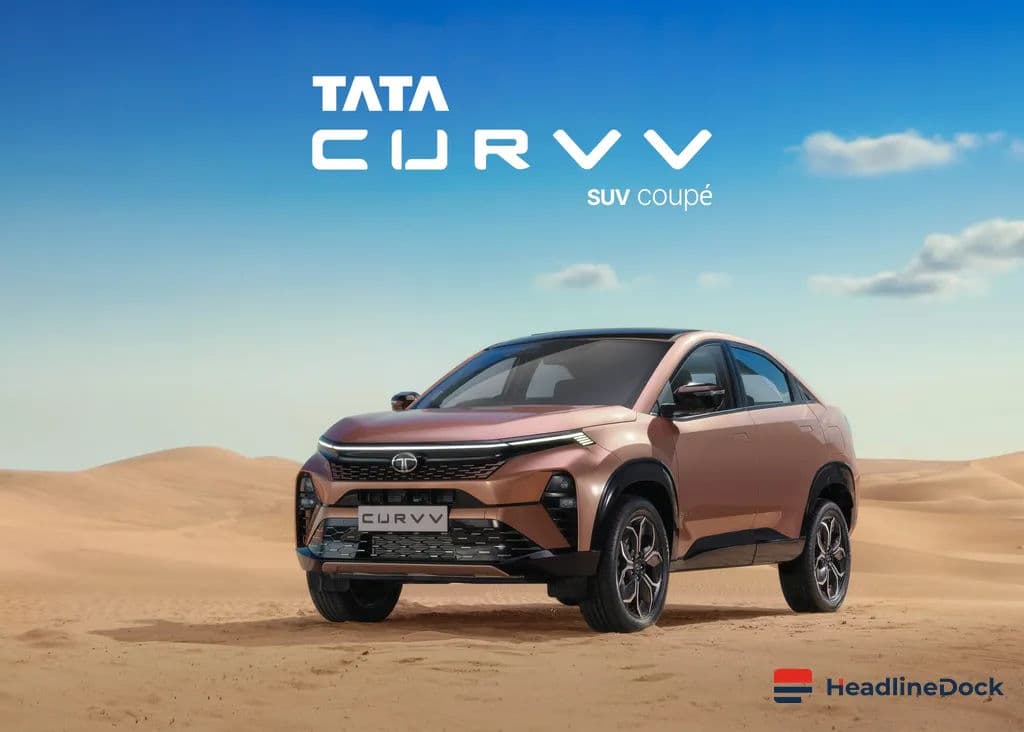
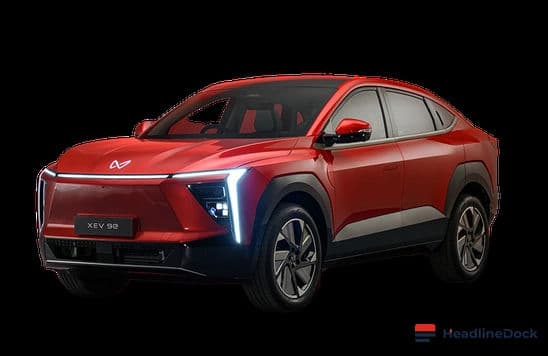
Towards achieving its goal of reducing pollution and promoting sustainable transport, the Delhi government has announced a 100% waiver on road tax and registration fees for electric cars priced at ₹30 lakh or below (ex-showroom). This measure is expected to benefit popular models such as Tata Nexon EV and Mahindra XEV. Meanwhile, premium electric vehicles exceeding ₹30 lakh will retain the standard fees.
For hybrid vehicles, a 50% waiver on road tax has been introduced for robust models like Maruti Suzuki Invicto, Grand Vitara, Toyota Hycross, and Honda City Hybrid. This move is expected to make these strong hybrids more affordable by up to ₹1.45 lakh, encouraging wider adoption.
Phased Subsidies for Two-Wheelers & Three-Wheelers
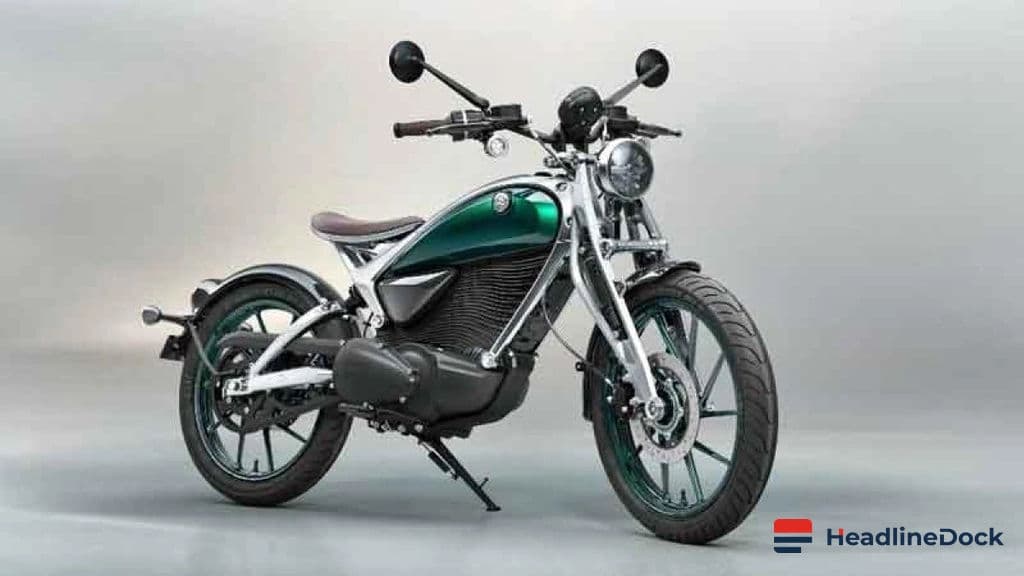
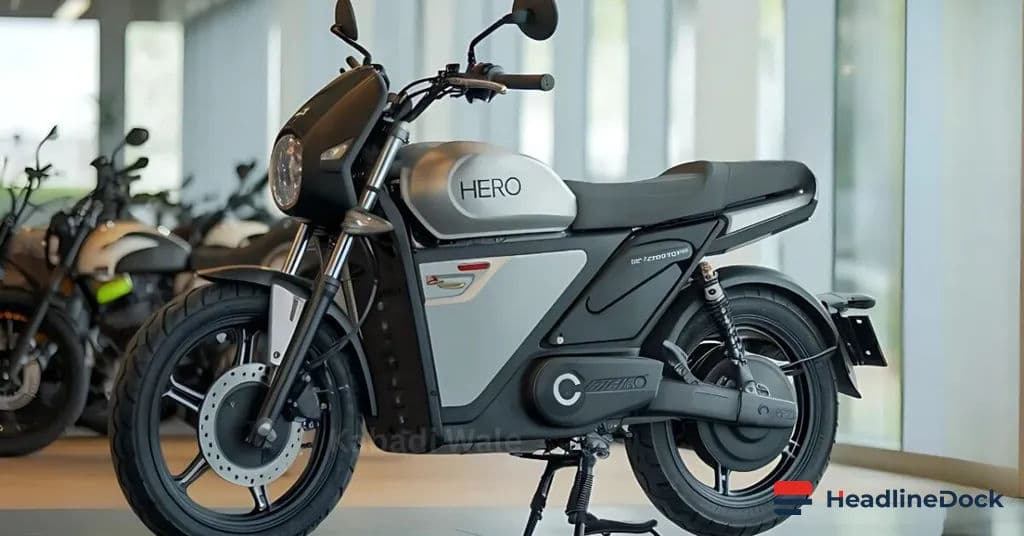
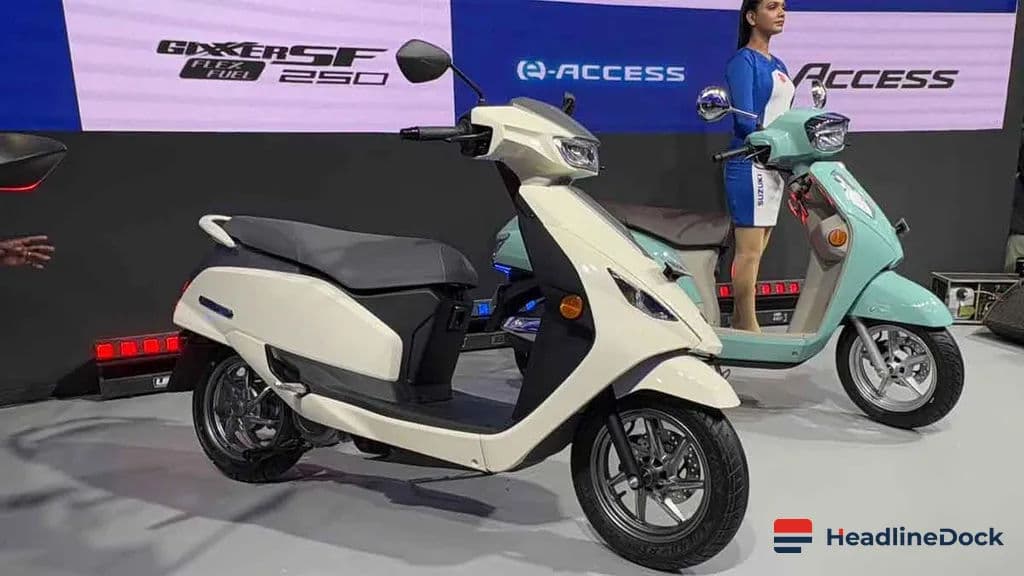
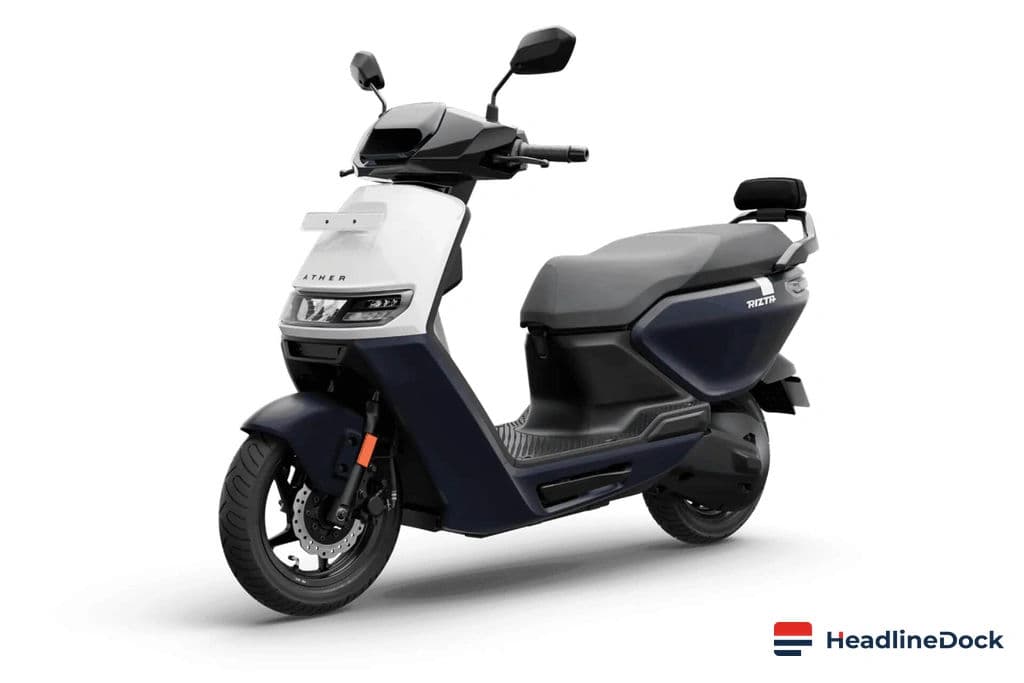
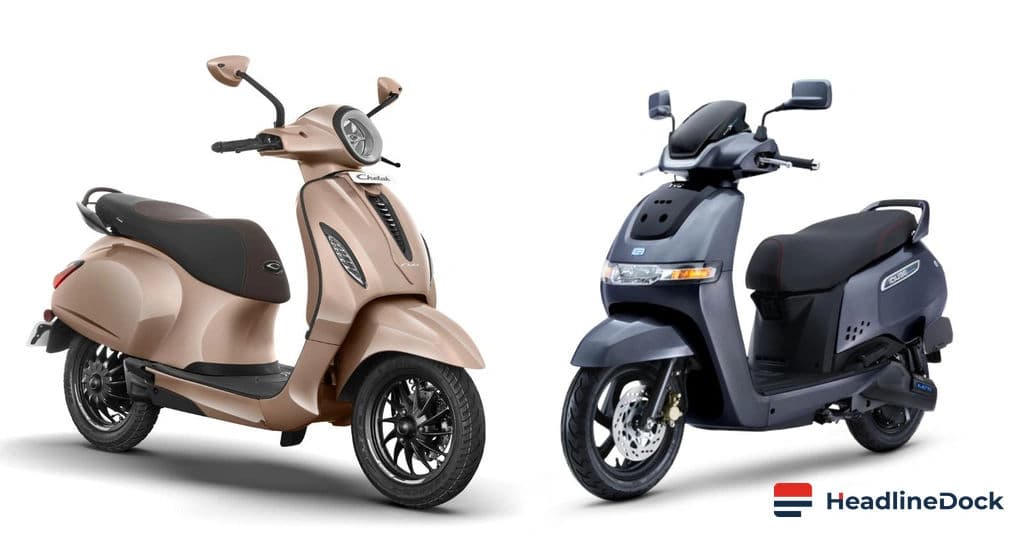
The policy also outlines a comprehensive subsidy plan for two-wheelers and three-wheelers. Electric two-wheelers will receive a flat subsidy of ₹10,000 per kWh (maximum ₹30,000) in the first year, with gradual reductions in subsequent years. Additionally, buyers of three-wheelers will enjoy a robust cash subsidy of ₹50,000 for their purchase. The government aims to convert all three-wheelers in Delhi to electric by 2027, providing an additional subsidy worth ₹10,000 per vehicle when the old models are scrapped.
In a bid to incentivize the scrapping of traditional vehicles, buyers of new electric cars will receive up to ₹100,000 in bonuses after scrapping their old petrol or diesel cars. This offer is limited to the first 100,000 customers and requires proof that the scrapped vehicle was registered in Delhi.
This initiative not only aims to reduce pollution but also significantly decrease the cost of entry into the electric vehicle market for both two-wheeler and four-wheeler buyers. The comprehensive nature of this policy covers a wide range of vehicles, from electric cars and two-wheelers to large three-wheelers.
This robust initiative forms part of Delhi's broader strategy to move towards cleaner transportation methods and is expected to have a positive environmental impact and boost economic growth by reducing oil imports and enhancing energy security.