Book Review: Mapping the Critical Shift in Girls' Education in India
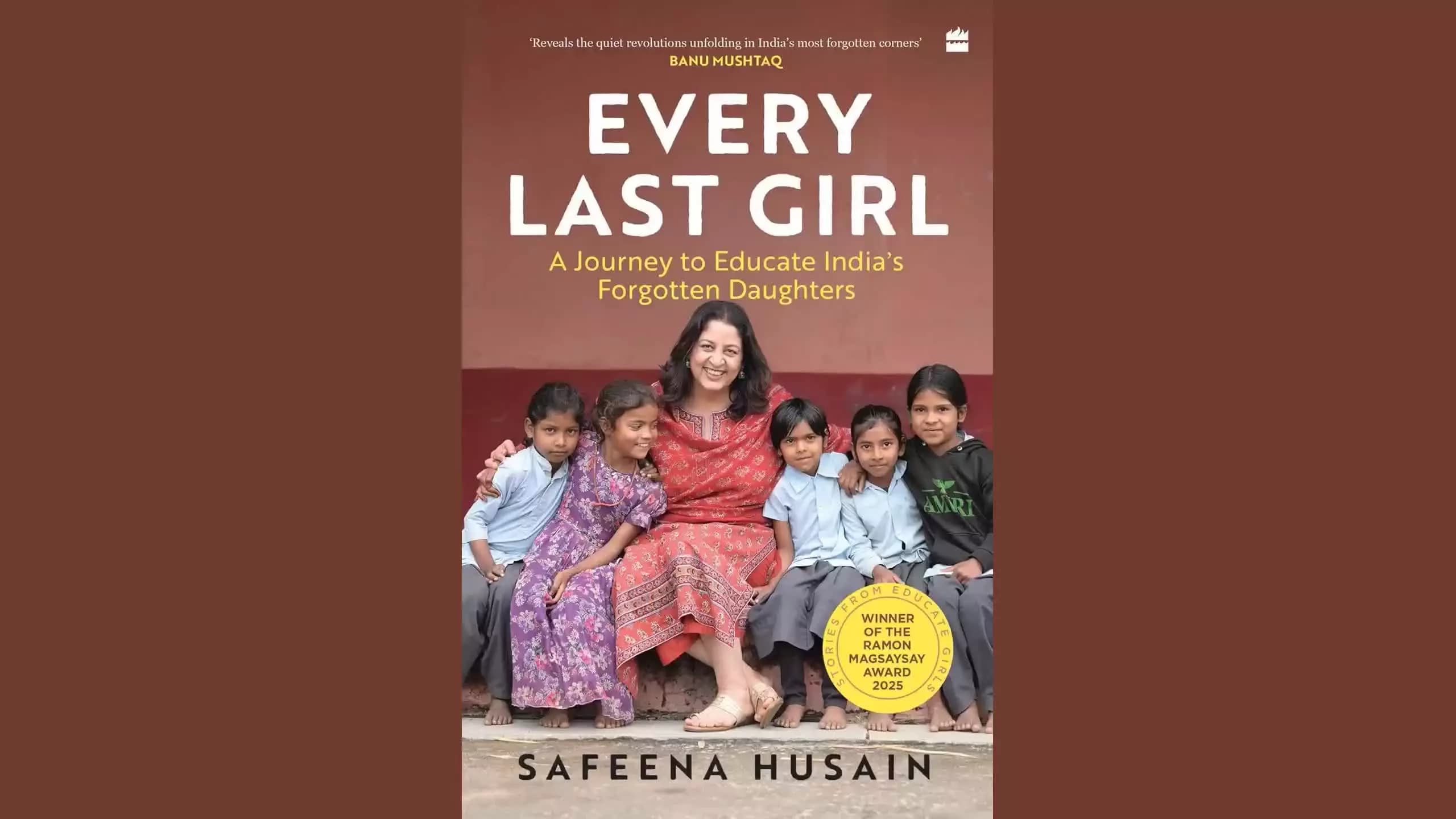
Safeena Husain’s Every Last Girl offers a powerful examination of the fight for girls' education in India. Through personal memoir and case studies, the book highlights how grassroots efforts and government collaboration can overcome deep-seated social barriers to ensure educational equality.
Highlights
- •Safeena Husain's book chronicles her journey founding the grassroots organization Educate Girls.
- •The narrative focuses on the 'Antimbala' or 'last girl,' representing the most marginalized students.
- •Case studies show how education provides dignity and economic stability to young women in India.
- •The author advocates for collaborating with government systems to achieve systemic educational reform.
In her insightful new book, Every Last Girl: A Journey to Educate India's Forgotten Daughters, author Safeena Husain provides a poignant examination of the challenges surrounding girls' education in India. Blending memoir with a powerful analysis of social impact, the work details Husain’s personal experiences with educational disruption and her subsequent mission to create Educate Girls. This grassroots organization is dedicated to enrolling out-of-school children in some of the country's most marginalized communities.
Understanding the Importance of Girls' Education in India
The narrative is anchored by the concept of the "Antimbala" or the "last girl," representing those children most at risk of exclusion due to factors like systemic poverty, gender bias, restrictive social norms, and the prevalence of early marriage. Through the stories of individuals such as Nagina and Swati, who managed to overcome domestic abuse and child marriage in Rajasthan, the book illustrates how access to schooling fosters dignity, self-confidence, and independence. Husain argues that prioritizing girls' education in India is not just a moral imperative, but a critical driver for national economic development.
A significant portion of the book focuses on the obstacles hindering progress, particularly the attitudes of parents who often view girls solely through the lens of traditional roles. However, Husain offers a hopeful perspective by documenting case studies of parents, such as Dinesh and Vikram, whose viewpoints shifted after witnessing the long-term benefits of education. She stresses that changing these mindsets requires persistent engagement rather than confrontational approaches.
Collective Action for Educational Change
The author emphasizes that sustainable progress in girls' education in India is best achieved through collaboration with existing government frameworks rather than by creating isolated structures. The book highlights that when marginalized girls gain access to schooling, the entire community experiences positive growth. The success of Educate Girls is presented as a cumulative victory, resulting from the combined efforts of teachers, volunteers, government officials, and the students themselves.
Ultimately, Every Last Girl presents a fundamental humanist argument: girls are entitled to an education as a basic human right, independent of the broader societal gains. While millions of girls globally still lack access to schooling, the book concludes on a realistic yet optimistic note. It demonstrates that meaningful change is achievable, even in environments where deep-rooted inequality persists, serving as a beacon of hope for future generations.