BEST Bus Services Struggle to Resume Normalcy Following Three-Day Strike in Mumbai
Mumbai's BEST bus services are slowly recovering after a three-day strike was called off. With only 57% of the fleet operating due to staff shortages, commuters are facing delays. The government has promised interim pay hikes and fleet modernization to restore normal transit operations.

Highlights
- •Only 57 percent of the scheduled BEST fleet was operational on Monday morning following the strike.
- •Major staffing shortages persist, with attendance for drivers and conductors significantly below required levels.
- •Deputy CM Eknath Shinde announced interim pay hikes of Rs 3,000 for BEST staff and Rs 2,000 for wet-lease employees.
- •The state government plans to modernize the fleet by procuring 5,000 electric buses over the next three years.
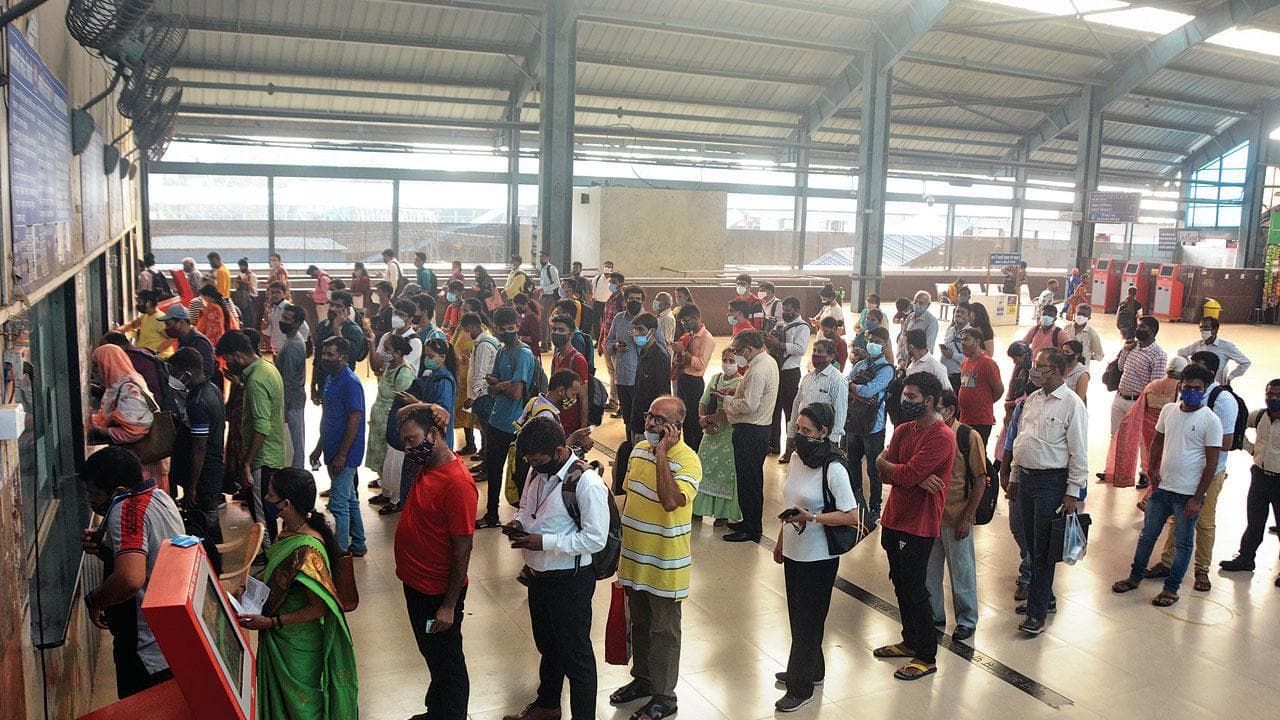
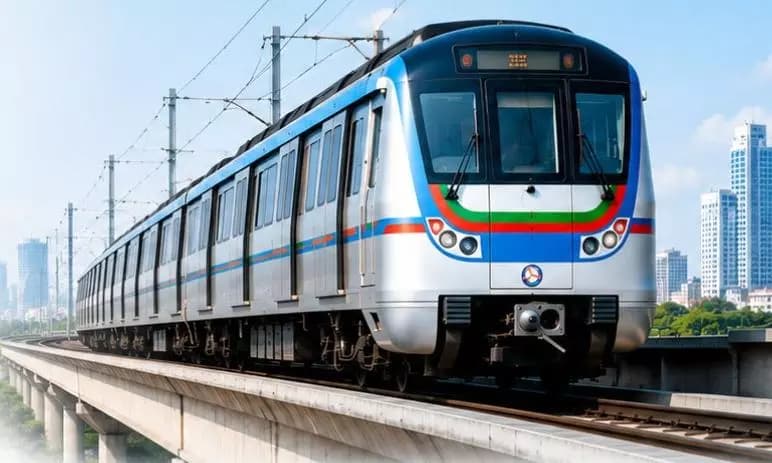
Following the conclusion of a high-stakes strike, BEST bus services in Mumbai are struggling to return to full operational capacity. By 8 am on Monday, only 57 percent of the scheduled fleet was active, causing significant inconvenience for daily commuters across the city. Many residents, left waiting at bus stops, turned to alternative transit methods, including local trains and Metro services, to reach their destinations.
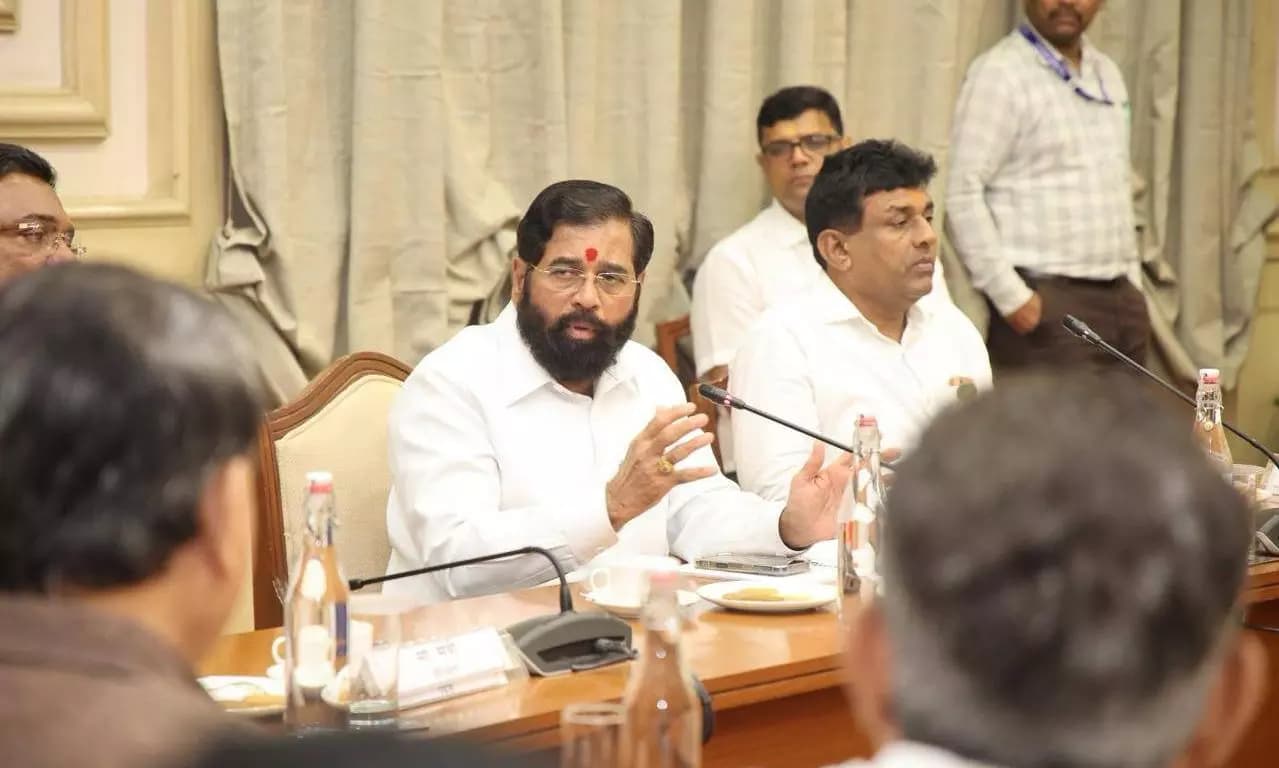
The industrial action involving the Brihanmumbai Electric Supply and Transport (BEST) employees had paralyzed city bus services starting last Friday. The three-day standoff finally ended on Sunday night after intense negotiations between labor unions and the state government. Maharashtra Deputy Chief Minister Eknath Shinde facilitated the breakthrough, leading the BEST Sanyukt Kamgar Kruti Samiti to officially call off the agitation.
Challenges Facing BEST Service Recovery
According to official data provided by the administration, the recovery of BEST bus services remains a logistical challenge. Out of a scheduled fleet of 2,527 vehicles, only 1,436 were operational on Monday morning. This turnout included 165 out of 188 undertaking-owned buses and 1,271 of the 2,339 wet-leased vehicles. The discrepancy in service levels is largely attributed to lower-than-expected staff attendance following the resolution of the strike.
Attendance records highlight the scale of the disruption: only 835 of the required 1,454 drivers and 1,325 of the 2,198 conductors reported for duty. The impact was even more pronounced within the wet-lease sector, where only 883 drivers showed up against a requirement of 2,370, and a mere 198 conductors attended compared to the scheduled 752. These figures demonstrate the substantial gap that the transit authority must bridge to restore normalcy to Mumbai’s public transport network.
Addressing the situation, Eknath Shinde announced that employees would receive an interim monthly salary increase of Rs 3,000, while those employed by wet-lease operators would see a raise of Rs 2,000 per month until long-term wage settlements are finalized. Additionally, the government has mandated that all pending gratuity dues for retired employees be settled within the current financial year.
Looking ahead, the government has pledged to bolster the city's transport infrastructure by procuring 5,000 electric buses over the next three years. This initiative, combined with a forthcoming revival plan to be reviewed by the state cabinet, aims to stabilize BEST bus services and address the long-standing concerns of the workforce, which include demands for better pay, integration with the Brihanmumbai Municipal Corporation budget, and the implementation of the Seventh Pay Commission recommendations.