Indian Railways Hikes Penalties: Rs 2K For Smoking, Hawking, And Begging
The Indian Railways has implemented stricter, higher penalties for various offenses, including smoking, begging, and unauthorized hawking, effective June 19, 2026. These measures, authorized under the amended Jan Vishwas Act, aim to improve passenger discipline and safety through enhanced on-the-spot fine collection by the Railway Police Force.
Highlights
- •New penalty structure for Indian Railways effective from June 19, 2026, under the Jan Vishwas Act.
- •Stiffer fines of Rs 2,000 introduced for smoking, unauthorized hawking, and begging on trains.
- •Men occupying women-reserved coaches face a Rs 2,500 penalty and immediate removal.
- •Railway Police Force empowered to collect on-the-spot fines for various offenses and safety violations.
The Indian Railways has officially implemented a significantly more stringent penalty structure for various offenses committed on trains and across railway property. This update, which took effect on June 19, 2026, aligns with the legal framework established under the amended Jan Vishwas Act. By revising these fines, the administration aims to enhance passenger discipline and streamline enforcement processes across the vast national network.
Enhanced Penalties for Railway Offenses
Under the newly enforced guidelines, several activities that compromise the comfort and safety of travelers now carry steeper financial consequences. Specifically, unauthorized begging within railway coaches, on station platforms, or anywhere on railway premises will now incur a penalty of Rs 2,000. Authorities have noted that repeat offenders may also face potential imprisonment, depending on the applicable legal statutes.
Furthermore, the Indian Railways has set a fine of Rs 2,000 for any individual engaged in unauthorized hawking on trains or within station boundaries. Similarly, passengers who are discovered smoking in compartments, coaches, or other restricted railway areas will be subject to an identical fine of Rs 2,000. These measures are designed to ensure a cleaner and more orderly environment for the millions of commuters who rely on the rail network daily.
In addition to these specific bans, the penalty for traveling without a valid ticket has been increased to a minimum of Rs 500, plus the standard fare cost. Unauthorized use of another person’s ticket or pass also carries a minimum fine of Rs 500, alongside the immediate confiscation of the travel document. Furthermore, individuals behaving in a disruptive manner—such as using abusive language or traveling while intoxicated—may face fines of up to Rs 1,000 and the risk of being deboarded from the train.
Strict Enforcement and Regulatory Changes
The updated regulations also address gender-based reservations and public safety. Men found occupying seats or compartments specifically reserved for women are now liable for a fine of Rs 2,500 and face immediate removal from that coach. Other safety-related violations, such as ignoring traffic signs, attract a fine of Rs 500, while the unauthorized transport of dangerous goods on trains or at stations now carries a severe penalty of Rs 10,000.
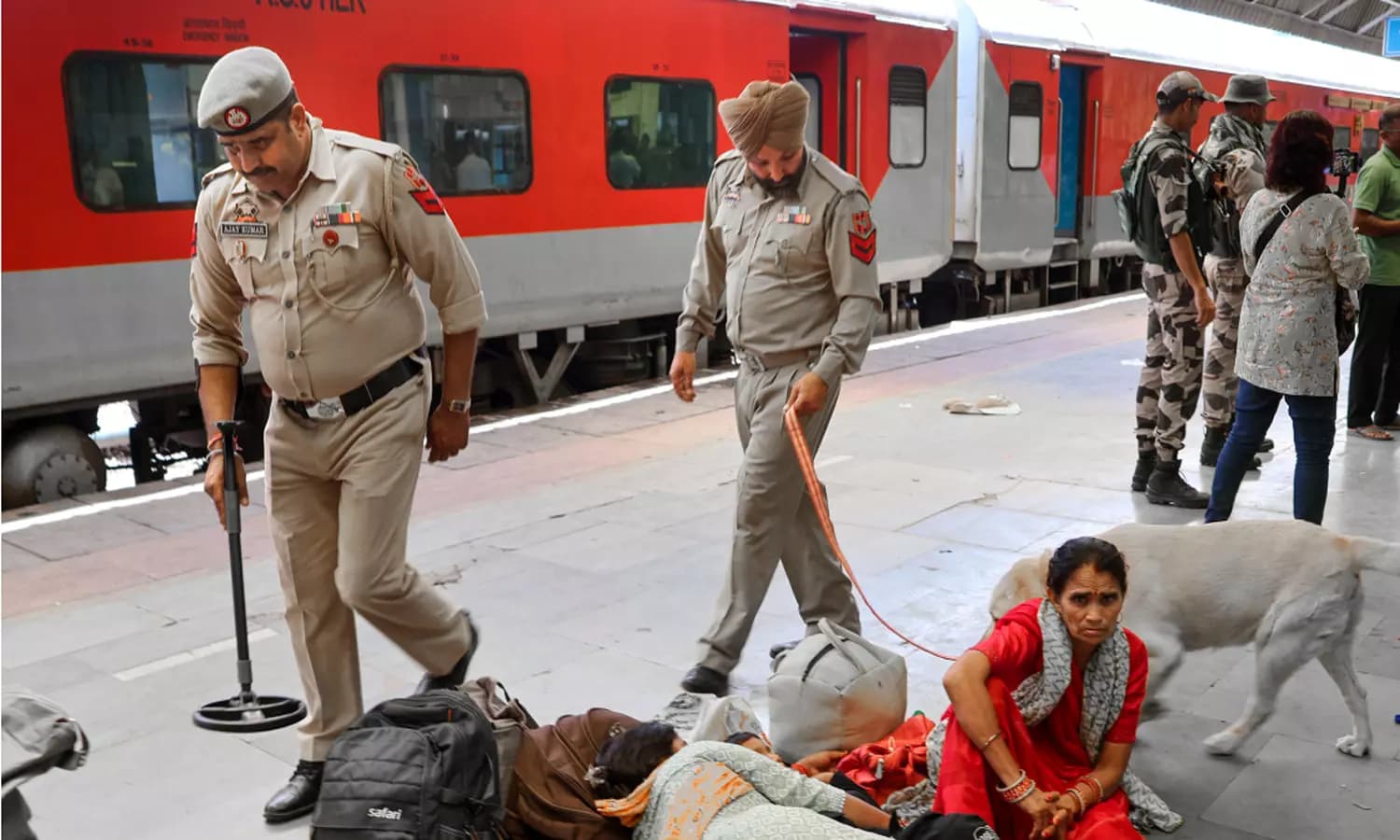
To improve efficiency, these fines are to be collected on the spot, with officials providing a formal receipt to the passenger. If a passenger fails or refuses to pay, a formal case will be registered, potentially leading to detention at a police station and subsequent court proceedings. This marks a shift in authority, granting the Railway Police Force the necessary power to collect these fines directly, a protocol that became active as of June 15, 2026, to ensure greater accountability across the rail system.