Andhra Pradesh Intensifies Seasonal Disease Control Measures for Monsoon Season
Health Minister Satya Kumar Yadav has directed officials in Andhra Pradesh to intensify disease control measures for the monsoon season. The strategy focuses on proactive surveillance and prevention of mosquito-borne illnesses like dengue and malaria, alongside supporting public health hygiene and polio vaccination programs.
Highlights
- •Minister Satya Kumar Yadav mandates intensified seasonal disease control measures for the monsoon.
- •Focus areas include dengue, malaria, chikungunya, and viral fever surveillance and prevention.
- •Authorities ordered to strengthen protection in residential schools and tribal welfare hostels.
- •Government emphasizes hygiene, sanitation, and pulse polio vaccination for children under five.
In a recent effort to safeguard public health, Andhra Pradesh Health Minister Satya Kumar Yadav has issued formal directives to officials to significantly bolster disease control measures across the region. With the onset of the monsoon season, the administration is focusing on intensified preventive strategies to combat seasonal illnesses, including dengue, malaria, chikungunya, and various viral fevers. The primary goal is to ensure proactive surveillance and the rapid identification of fever cases to effectively forestall potential outbreaks.
Strengthening Surveillance and Disease Control Measures
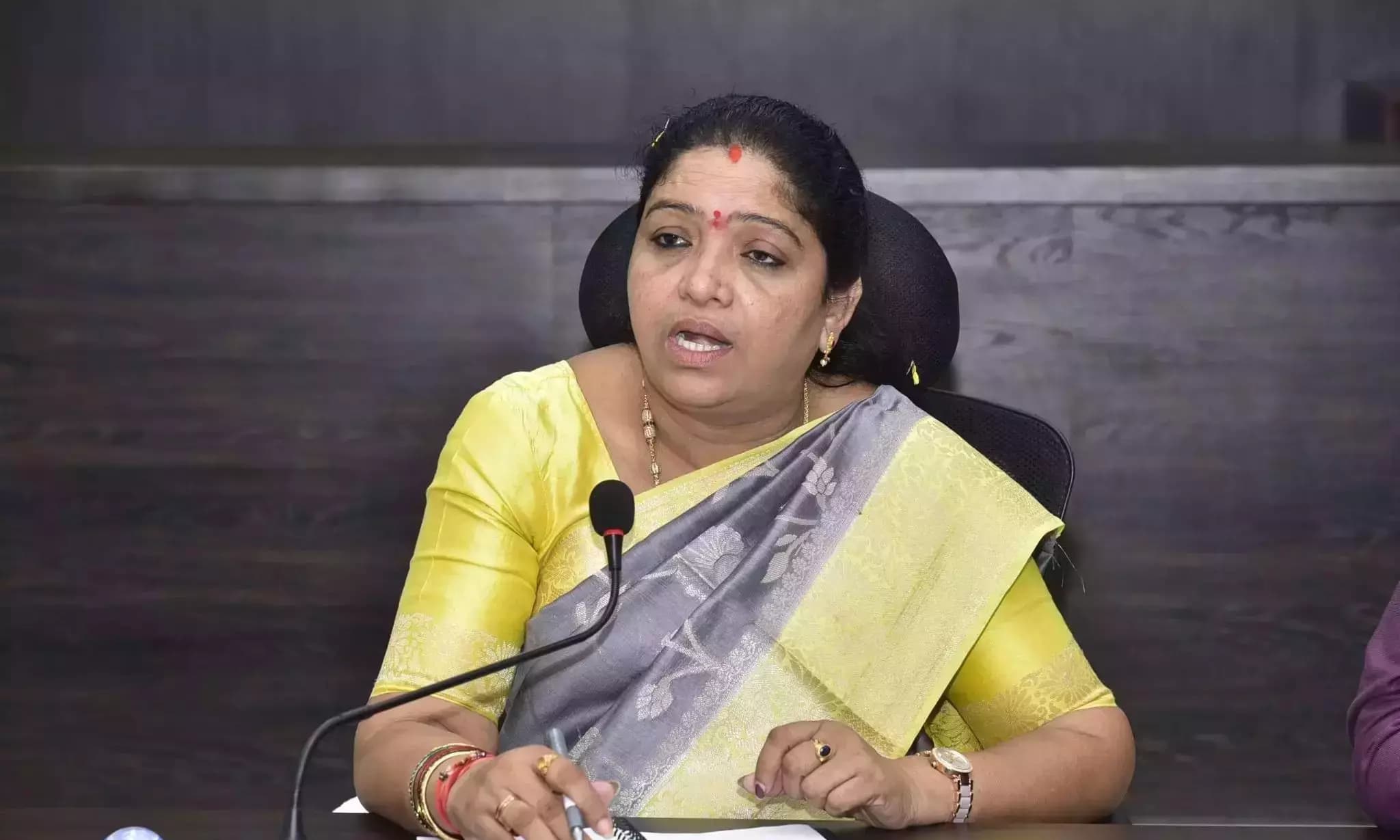
During a high-level video conference held at the Visakhapatnam Collectorate, the minister consulted with district collectors, medical officers, and senior healthcare administrators from the North Andhra region. Satya Kumar Yadav emphasized that the monsoon period heightens the vulnerability to mosquito-borne infections, necessitating increased vigilance at every administrative level. Health department personnel have been instructed to conduct continuous, thorough surveillance in both rural villages and urban wards, ensuring that any instances of fever receive immediate medical evaluation and treatment.
Furthermore, authorities have been mandated to pinpoint high-risk zones where the prevalence of dengue, malaria, and chikungunya is historically higher. Specialised action plans are being implemented to address these areas. These efforts include robust interventions in tribal welfare hostels, social welfare dormitories, and various residential educational institutions. Preventive tactics such as comprehensive fever surveys, indoor residual spraying, and systematic fogging operations are being prioritised to maintain mosquito control and community safety.
Promoting Public Awareness and Healthcare Readiness
A crucial component of the current disease control measures involves fostering greater public awareness regarding hygiene and sanitation. The government is urging local bodies, panchayats, and ward secretariats to take active steps in eliminating water stagnation, which serves as a breeding ground for vectors. Additionally, ensuring a consistent supply of safe, clean drinking water is being treated as a priority to halt the spread of infectious illnesses. Public cooperation is deemed essential in these cleanliness drives.
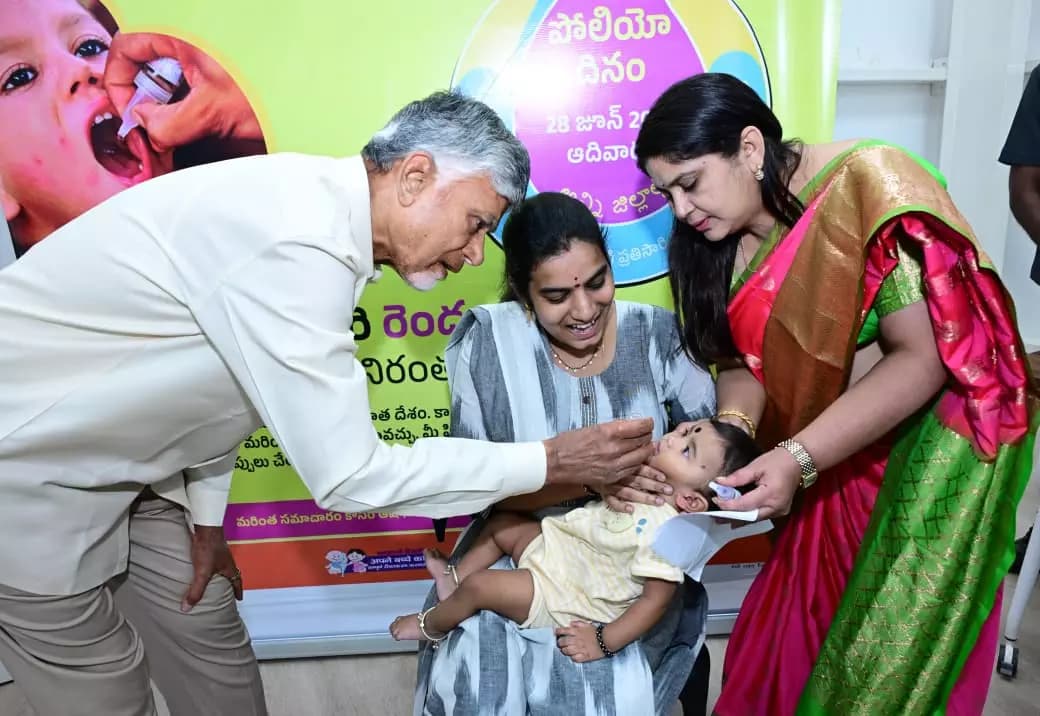
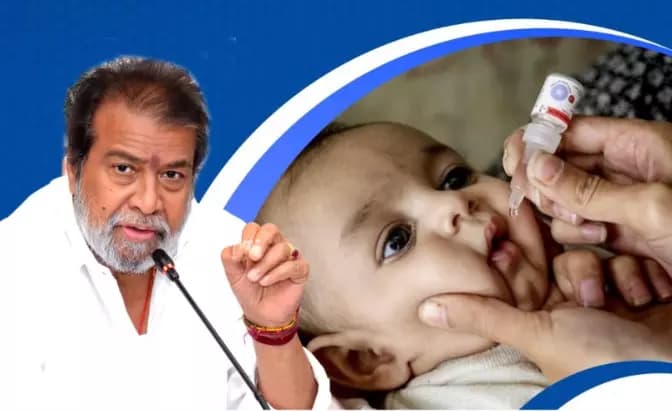
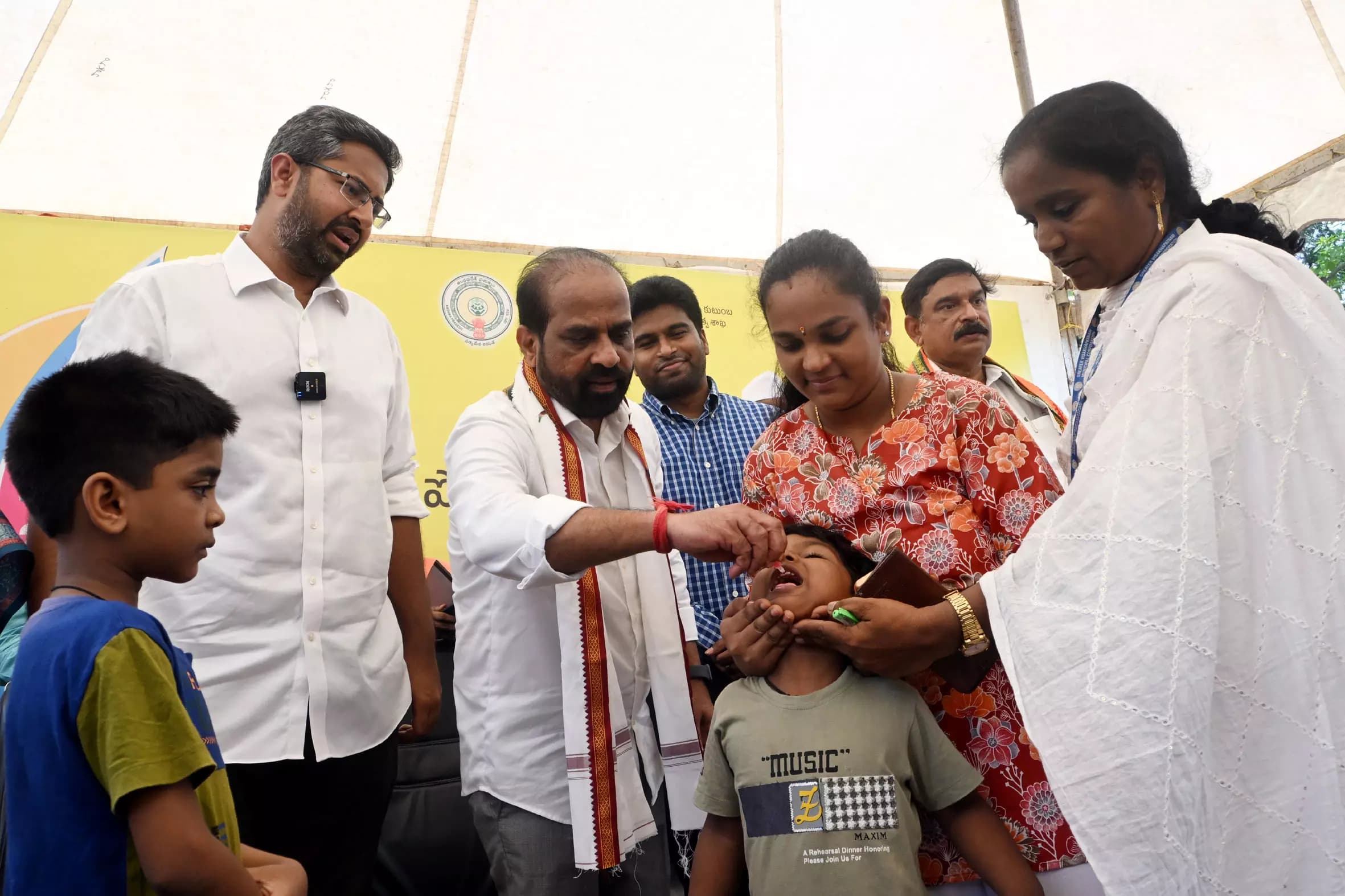
In terms of medical infrastructure, the minister directed primary health centres, community health centres, and district-level hospitals to ensure they maintain sufficient inventories of essential medications, diagnostic kits, and rapid testing equipment. Facilities must also have adequate intravenous fluids and platelet support systems ready. Beyond seasonal disease management, Satya Kumar Yadav actively participated in the Pulse Polio programme at the Bhavani Gardens urban primary health centre in Visakhapatnam. He appealed to parents to ensure children under five receive their polio drops, reaffirming the state's dedication to maintaining the country's polio-free status.