AI Now Performs Over One-Third of Entry-Level Tasks in India, Study Finds
A study by Cognizant and Pearson reveals that AI handles 37 percent of entry-level tasks in India, surpassing global averages. Companies are shifting toward roles focused on AI supervision and human-AI collaboration, emphasizing the need for comprehensive workforce reskilling and management strategy updates.
Highlights
- •AI currently performs 37 percent of entry-level tasks in India, exceeding the 33 percent global average.
- •96 percent of HR leaders expect entry-level roles to shift toward AI system supervision within five years.
- •98 percent of HR professionals are increasing their focus on AI skills for both technical and non-technical staff.
- •Middle managers are identified as essential to successfully redefining job roles and facilitating AI adoption within companies.
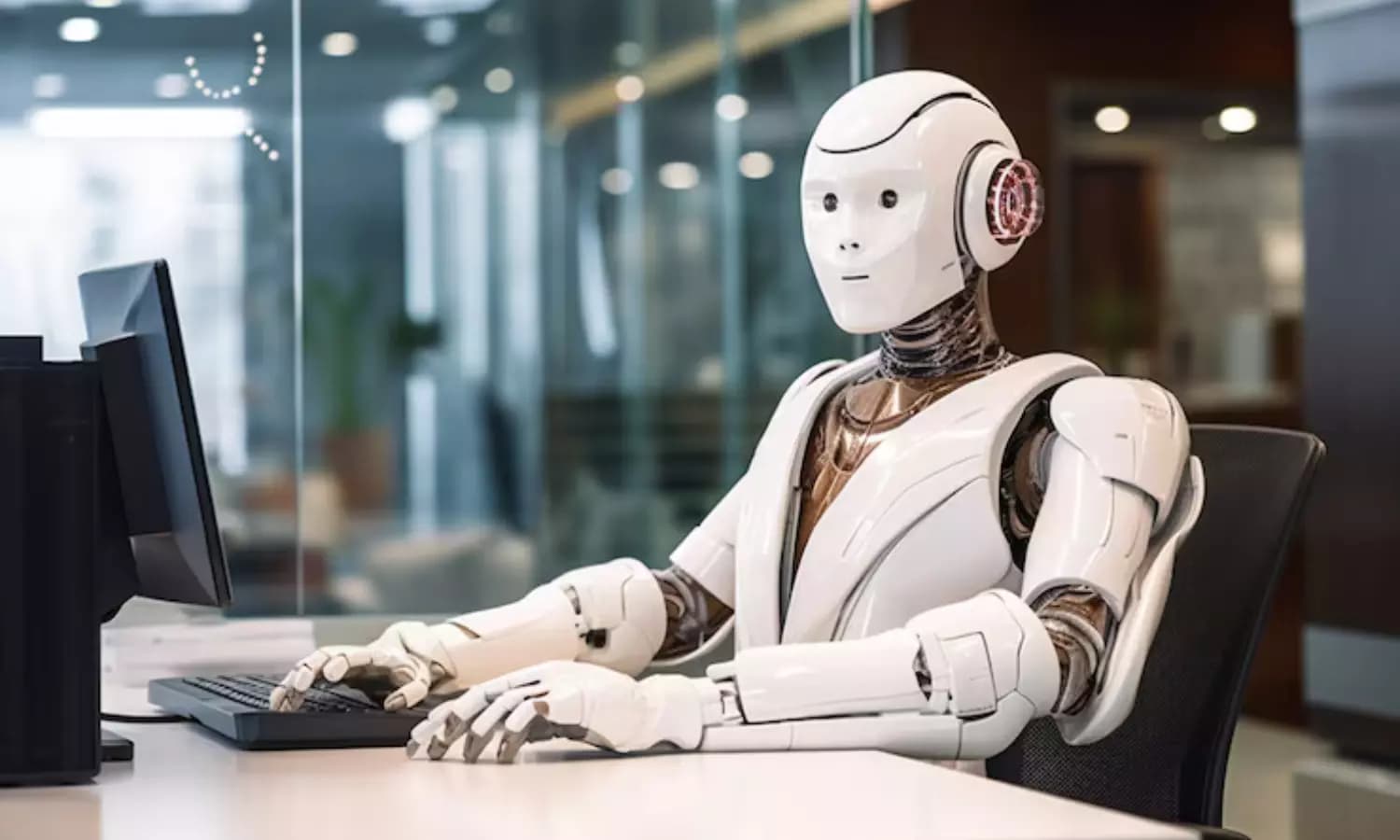
A significant shift is occurring within the Indian workforce as Artificial Intelligence takes over a notable portion of entry-level tasks. According to a recent study conducted by Cognizant and Pearson, approximately 37 percent of these foundational roles in India are now performed by AI systems. This figure notably surpasses the global average of 33 percent, highlighting the rapid pace at which the nation is integrating advanced automation into its corporate landscape.
The Evolution of Entry-Level Roles
The research, which gathered insights from 750 human resources leaders across the United States, the United Kingdom, and India, suggests that organizational structures are evolving. Rather than merely executing repetitive tasks, employees are increasingly transitioning toward roles that involve collaborating with AI technologies. In fact, 18 percent of HR professionals surveyed indicated that automated systems now manage half or more of all entry-level work responsibilities.
Looking ahead, the transformation is expected to continue at an accelerated rate. As many as 96 percent of the HR leaders interviewed believe that entry-level positions will evolve within the next five years to become roles centered on supervising and managing AI systems. Furthermore, 94 percent of respondents anticipate that this shift will create entirely new categories of entry-level jobs that did not exist previously, necessitating a robust focus on reskilling.
Strategic Integration and Human-AI Collaboration
The study also emphasizes the critical role of middle management in navigating this change. Over 90 percent of participants noted that middle managers are vital for redefining job responsibilities as Artificial Intelligence alters daily workflows. Organizations are increasingly prioritizing AI-related skills, with 98 percent of HR professionals stating that they are expanding their focus on these competencies even for non-technical positions. Employees are now expected to be proficient in managing AI-generated outputs, validating automated decisions, and applying human judgment where necessary.
In India, 80 percent of organizations report that these technological advancements are empowering employees to dedicate more time to higher-value, strategic work, compared to 77 percent globally. Rajesh Varrier, President of Global Operations and Chairman and Managing Director of Cognizant India, noted that the country is positioned at the forefront of this transformation. He emphasized that the fundamental redesign of roles requires both extensive training and improved managerial effectiveness to thrive in an economy shaped by automated systems.
Ultimately, experts from Pearson suggest that successful organizations will pivot away from viewing technology as a replacement for human tasks. Instead, the focus will remain on building capabilities that foster effective collaboration between human talent and AI, combining technological innovation with a deep understanding of skill development in real-world contexts.